5 Conversational Marketing Strategies Every Liquor Store Should Steal from E-Commerce
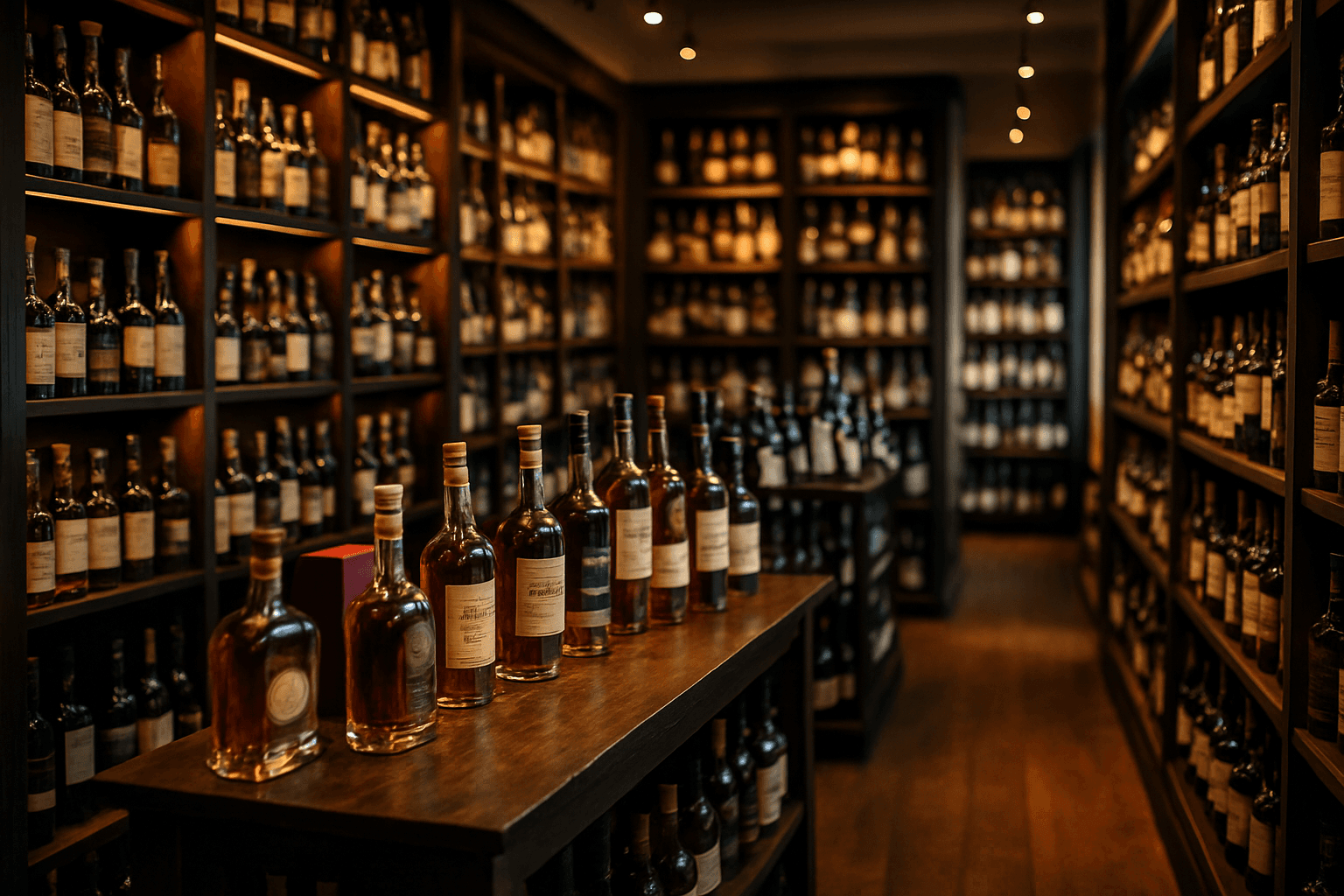
Discover 5 conversational marketing liquor store strategies borrowed from e-commerce to boost engagement, sales & loyalty. Your guide to chatbots, AI & more.
- Why E-Commerce Is Eating Your Lunch (And How to Steal It Back)
- Strategy #1: Deploy an AI Chat Assistant That Actually Sells
- Strategy #2: Build Customer Profiles That Power Personalized Recommendations
- Strategy #3: Meet Customers on WhatsApp and Messenger, Not Just Email
- Strategy #4: Use Conversational AI for Event Planning and Seasonal Activations
Picture this: a customer walks into your store at 6:47 PM on a Friday, slightly panicked, needing wine for a dinner party in two hours. Your best employee reads the room, asks three smart questions, and sends them out the door with two bottles they never would have found on their own, plus a dessert wine they didn't know they needed. That interaction? That's conversational marketing. And it's the single biggest reason people choose your store over clicking "add to cart" on some faceless website.
Now here's the problem: that magic only happens during business hours, with your best people, one customer at a time. Meanwhile, e-commerce brands have figured out how to replicate that exact experience, digitally, at scale, around the clock. The good news? The playbook they've built isn't locked behind some Silicon Valley paywall. It's right there for the taking.
The even better news? You already have the hardest part figured out, the product knowledge, the relationships, the hospitality instincts. What you need are the tools and tactics to extend that expertise beyond your four walls. Let's break down five strategies that online retailers have perfected and show you exactly how to make them work behind your counter, on your customers' phones, and everywhere in between.
Why E-Commerce Is Eating Your Lunch (And How to Steal It Back)
Here's a number that should get your attention: the U.S. imports roughly $12 billion worth of spirits every single year [VERIFY], with nearly half flowing in from Mexico and Canada alone. That's a massive, complex market, and if you're running a liquor store, you already know that great shelf placement isn't enough to compete anymore.
So who is winning? The brands that talk with customers, not at them.
The Shift from Broadcast to Conversation
For years, most liquor store marketing looked the same: blast out an SMS about this week's bourbon deal, send a newsletter with a coupon, maybe post a bottle photo on Instagram. One-way communication. Megaphone marketing.
Meanwhile, e-commerce brands have been quietly perfecting conversational marketing, real-time, two-way interactions that guide a curious browser from "hmm, what pairs with grilled salmon?" all the way to checkout. We're talking chatbots, personalized recommendations, interactive quizzes. The technology is still early for liquor retail (City Hive only recently launched what they call the first AI assistant that actually completes local alcohol purchases [VERIFY]), but the shift is accelerating fast.
What Liquor Stores Can Learn from Online Retail
Here's the thing, the best liquor stores have always been conversational. Walk into Bottles in Providence, Rhode Island [VERIFY], and you'll find staff who build genuine relationships through dialogue, not sales pitches. That hospitality-first approach is a proven growth strategy. Digital tools like a chatbot simply amplify what great stores already do naturally.
The playbook exists. E-commerce wrote it. Now let's steal it. Here are five conversational marketing strategies every liquor store can swipe right now.
Strategy #1: Deploy an AI Chat Assistant That Actually Sells
Chatbots aren't just for answering "where's my order?" The best e-commerce brands use them as full-funnel sales machines, guiding customers from "I don't know what I want" all the way to "just bought two bottles."
Think about it. Your average customer is standing in the aisle overwhelmed, Googling "best tequila under $40." What if your store could answer that question instantly, at 2 AM, on a Tuesday?
That's exactly what a well-built chatbot for liquor retail does. And no, we're not talking about those clunky FAQ bots that make you want to throw your phone.
Beyond FAQ Bots: From Preference Discovery to Purchase
The best e-commerce strategies borrow from how brands like Sephora use AI, not as a help desk, but as a personal shopping assistant. The conversation starts with discovery: "What do you like? What's the occasion? What's your budget?" Then it moves to recommendation, education, and finally, purchase.
It's the digital version of your best floor employee, except this one works every shift.
Generic marketing blasts are dead. AI-powered personalization engines analyze purchase history, basket composition, a...
How AI Assistants Are Entering Liquor Retail
AI-powered platforms like LiquorChat and City Hive's Tipsy Bot [VERIFY] are bringing this experience to independent liquor retail. City Hive's tool lets customers go from chatting to checkout without leaving the conversation, a genuine first for the industry.
Meanwhile, LiquorChat recently launched an AI Event Planner feature designed to handle party-planning recommendations end to end.
The fact that these tools are still in early adoption? That's your window. Early movers build customer loyalty before competitors even know the technology exists.
The bottom line: A chatbot for your liquor store isn't a gimmick, it's a 24/7 employee who never calls in sick, knows every bottle on your shelf, and never judges someone for buying boxed wine. (We've all been there.)
Now that you've got the always-on sales assistant covered, let's talk about what makes it smarter over time.
Strategy #2: Build Customer Profiles That Power Personalized Recommendations
E-commerce brands track every click, every purchase, every abandoned cart to build rich customer profiles. That data powers the "You might also like..." recommendations that drive billions in online sales. Here's the thing, liquor stores can capture the same caliber of insights, not through cookies and pixels, but through conversation.
Whether it's through a chatbot, an AI-powered text exchange, or even a well-trained staff member asking the right questions, every interaction is a chance to learn: Are they a bourbon lover? Natural wine curious? Always buying for parties? That intel, stored and organized, transforms how you sell.
Why "What Did You Buy Last Time?" Is Your Secret Weapon
The best bartender remembers your drink. The best liquor store should remember it too, and suggest what you should try next. AI personalization engines like Bottlecapps [VERIFY] are already being deployed in alcohol e-commerce to deliver tailored product recommendations that drive conversions and repeat purchases. Brick-and-mortar stores can adopt the exact same approach.
With thousands of SKUs on your shelves and new products arriving constantly, helping customers navigate choices isn't just nice, it's a competitive advantage.
From Anonymous Shopper to Known Customer
This is where customer engagement gets real. When you move someone from "anonymous weekend browser" to "Sarah, loves small-batch mezcal, hosts monthly dinner parties, budget around $40/bottle," everything changes. Your recommendations get sharper. Your marketing gets more relevant. And Sarah? She stops shopping around because nobody else gets her like you do.
Stores that start building these profiles now, whether through AI tools or good old-fashioned conversation, gain a serious edge. The conversational marketing liquor store approach is ultimately about knowing your customer better than anyone else can.
Of course, the richest customer profiles in the world don't help if you're having those conversations in channels nobody checks.
Strategy #3: Meet Customers on WhatsApp and Messenger, Not Just Email
Here's a truth bomb: your customers are already on WhatsApp and Messenger right now. They're just not talking to you there yet.
Liquor store price intelligence for independents: track big-box pricing on your top-selling SKUs and know when to mat...
Why Messaging Apps Are the New Front Counter
E-commerce brands moved aggressively into messaging apps for customer communication years ago. Now it's the liquor industry's turn. With an overwhelming number of spirits, wines, and craft beers on the market, customers have questions. Lots of them. And they want answers where they already hang out, not buried in an email inbox.
Messaging platforms are faster, richer, and feel less intrusive than traditional SMS. Think of it as moving your front counter into your customer's pocket.
Real-Time Conversations That Build Loyalty
Here's what makes messaging different from email blasts: it's a two-way street. When a regular texts you asking, "Got anything new in bourbon this week?" and you fire back a quick recommendation with a photo, that's not marketing. That's a relationship. And it drives sales.
This is conversational commerce in alcohol retail at its most effective. Tools like LiquorChat's AI Event Planner ↗ are pushing the boundaries of what a chatbot can accomplish in these channels, from answering quick questions to building full party menus.
Start small: Set up WhatsApp Business, answer questions, share new arrivals, take special orders. The conversation is the marketing. This strategy costs almost nothing, and builds the kind of loyalty no email campaign ever will.
So you've got the AI assistant, the customer profiles, and the messaging channels humming. Now let's put them all to work on the moments that drive the biggest basket sizes.
Strategy #4: Use Conversational AI for Event Planning and Seasonal Activations
People don't shop for products, they shop for occasions. A birthday, a holiday dinner, a backyard bonfire. The best online retailers meet customers in that moment with contextual recommendations that feel personal. Conversational AI makes this surprisingly easy for liquor stores too.
Your customers are trying to figure out what to serve at a dinner party for twelve. That moment of confusion? It's a sale waiting to happen.
Party Planning as a Sales Channel
Conversational AI in liquor retail has evolved well beyond answering "What time do you close?" We're now talking about full event planning functionality, guided chat experiences that help customers build a beverage menu for 20 guests, a wedding reception, or a casual Super Bowl spread.
LiquorChat's recently launched AI Event Planner is built for exactly this use case, and the space is moving fast. We're in early adoption territory, which means stores that move now get a real edge.
Here's the magic: instead of a customer Googling "what wine for Thanksgiving dinner" and landing on some random blog, they ask your store's chatbot, and they buy from you.
Seasonal Picks and Staff Recommendations via Chat
"What's a good bourbon for a fall bonfire?" "What should I serve at my Christmas party?" These are the kinds of questions your best staff members answer every day. Now imagine scaling that expertise through conversational channels that work 24/7.
Seasonal activations and staff picks delivered through chat blend content marketing with genuine personal interaction, and it's one of the strongest strategies for driving engagement. It's your team's knowledge, amplified.
Discover 10 agentic AI workflows that automate liquor store operations, from inventory to compliance, with practical ...
Each of these strategies shares a common thread, and it's the most important shift of all.
Strategy #5: Turn Every Interaction into a Two-Way Conversation
From Monologue to Dialogue: The Mindset Shift
Here's the thread connecting every strategy we've covered: stop broadcasting and start conversing. Every touchpoint, email, text, social, in-store, is an opportunity for dialogue, not just a megaphone.
The best liquor stores have always understood this instinctively. That chatty owner who remembers you drink Espadín mezcal and asks about your wife by name? That's conversational marketing in its purest form. The challenge has always been scaling that warmth to every customer, at every hour, across every channel.
How Conversational Commerce Drives Repeat Business
A conversational marketing liquor store approach isn't about replacing human connection, it's about extending it. The chatbot handles midnight questions so your team can focus on meaningful in-store moments. These e-commerce strategies work best when they feel less like marketing and more like talking to someone who genuinely knows their stuff.
That's the ultimate play: make every interaction feel like a conversation worth having, and customers will keep coming back for more.
Ready to Pour? How to Get Started with Conversational Marketing Today
You've seen the playbook. Now let's make it happen.
Quick-Start Checklist for Liquor Store Owners
Here's your five-step game plan:
- ☐ Deploy an AI chat assistant, Answer product questions 24/7, from bourbon picks to wine pairings
- ☐ Build customer profiles, Track preferences so every recommendation gets smarter
- ☐ Activate messaging apps, Meet customers on SMS, WhatsApp, or Instagram DMs
- ☐ Offer AI-powered event planning, Help customers plan parties with curated drink lists and quantities
- ☐ Shift to two-way conversation, Replace one-way blasts with genuine dialogue
Why Starting Now Gives You the Edge
Conversational AI in liquor retail is brand new territory. The tools are launching right now, not in some hypothetical future. Most stores are still leaning on flyers and one-way emails, which means there's a genuine first-mover advantage for anyone willing to experiment.
LiquorChat ↗ was built specifically for this, bringing conversational marketing liquor store capabilities to your business without needing a tech team.
Your customers are already talking. The only question is whether you're part of the conversation.
The Last Word
Here's what it comes down to: the conversational marketing liquor store revolution isn't some far-off trend you can afford to watch from the sidelines. It's happening right now, in messaging apps, in AI-powered chat windows, in every customer interaction that could be a two-way exchange instead of a one-way blast. The five strategies in this post aren't theoretical. They're borrowed from the most successful e-commerce brands on the planet, adapted for the realities of running a liquor store, and ready to deploy today.
You don't need a massive budget or a tech department. You need the willingness to show up where your customers already are and talk to them like the knowledgeable, passionate retailer you already are, just with better tools. Start with one strategy. Set up WhatsApp Business this week. Try an AI chat assistant on your website. Ask your next ten customers what they're shopping for and actually record the answers. Small moves compound fast.
Ready to bring conversational marketing to your liquor store? Explore LiquorChat ↗ and see how AI-powered conversation can turn casual browsers into loyal customers, one chat at a time.