7 AI Inventory Management Moves Every Single-Store Liquor Retailer Should Make Before Summer Peak Season
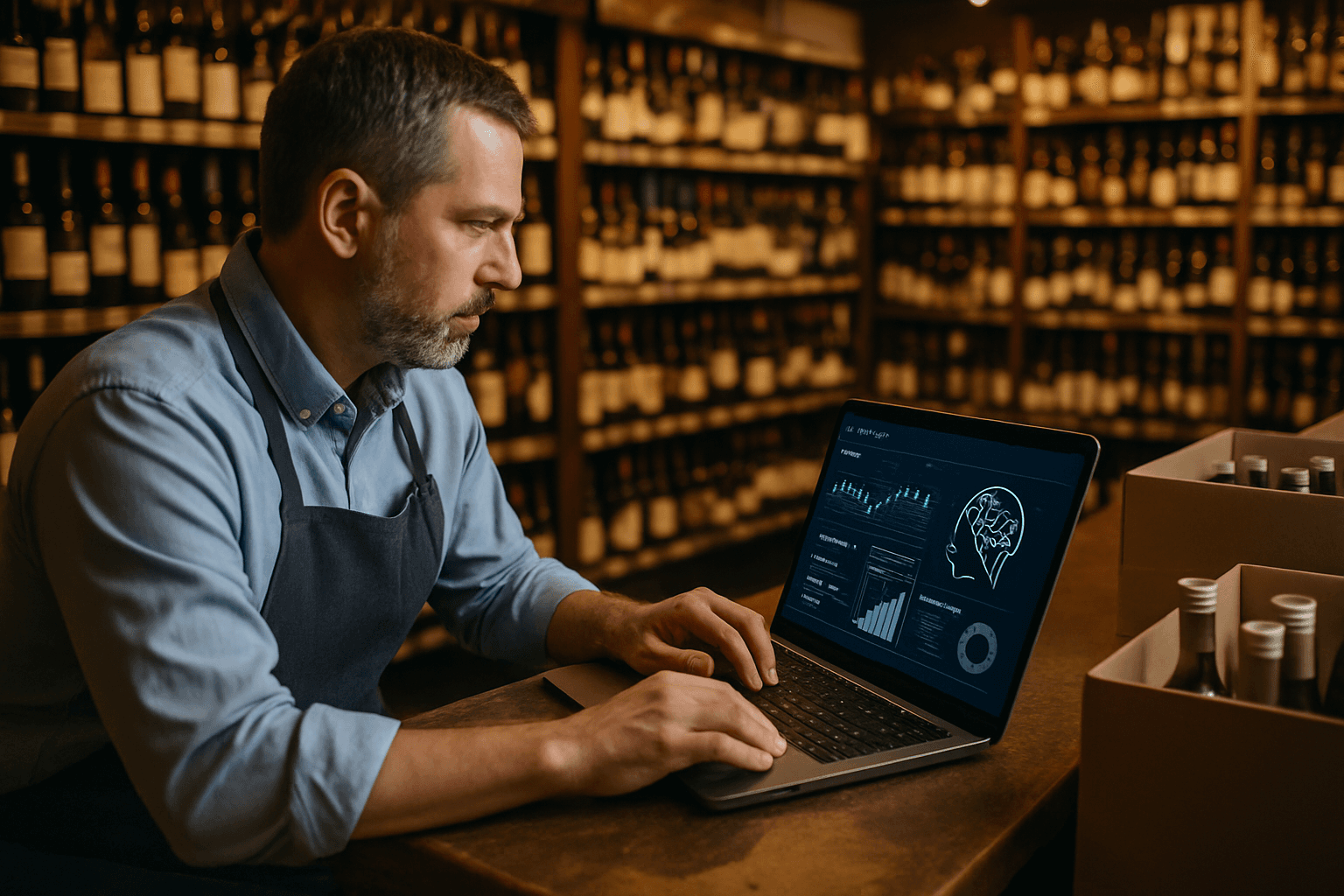
Discover 7 AI inventory management strategies for liquor stores to cut waste, automate reordering, and boost profits this summer peak season.
- TL;DR
- 1. Digitize Invoice Processing with AI Scanning
- 2. Set Up Real-Time Expiry and Freshness Alerts
- 3. Automate Reorder Points with Predictive Analytics
- 4. Personalize Shelf Assortment Using Customer Data
TL;DR
- AI platforms now offer invoice scanning and expiry tracking specifically built for liquor stores, no more manual spreadsheets
- The wine and liquor retail industry operates largely on generic systems not designed for beverage retail, creating major opportunities for single-store owners willing to adopt specialized tools
- Investor confidence in AI liquor solutions is growing, with several startups securing significant funding for AI operating systems built for beverage retail
- Modern AI POS systems can automatically sync inventory, predict reorder needs, and reduce time spent on purchasing decisions
- Personalized shelf assortment and waste reduction are now achievable for small retailers through affordable AI tools
1. Digitize Invoice Processing with AI Scanning
Stop spending hours each week manually typing invoice data, AI scanning automates invoice processing entirely, capturing line items, quantities, and prices directly from delivery documents. For liquor retail specifically, look for platforms that include proof-of-delivery capture, a feature that matters when managing beer, wine, and spirits from multiple distributors. The wine and liquor retail industry has historically operated on systems built for generic retail, but AI platforms now offer inventory management features designed for liquor retail, including solutions for invoice scanning and expiry tracking. Reduced human error means more accurate inventory counts from day one, giving you reliable data to guide purchasing decisions before summer peak season.
2. Set Up Real-Time Expiry and Freshness Alerts
Most wine and spirits products have expiration windows that generic retail systems simply don't track, creating costly blind spots. AI inventory management tools let liquor stores track batch dates and automatically flag items approaching spoilage before they become unsellable. Configure your system to send proactive alerts well before products approach their freshness threshold so you can discount aging stock or adjust reorder timing. During peak summer months, this prevents expired inventory from sitting on shelves when you need maximum shelf space for high-demand items. The wine and liquor retail industry still largely operates on systems built for generic retail that ignore these timelines, and AI platforms now offer inventory management features designed specifically for liquor retail including expiry tracking, per Liquorchat. Setting up these alerts takes minimal effort but protects your margins when summer volume spikes.
3. Automate Reorder Points with Predictive Analytics
Stop guessing when to reorder, AI inventory management for liquor stores analyzes your sales velocity, seasonality patterns, and local event calendars to tell you exactly when to restock and how much. Many operators in the wine and liquor retail space struggle with stockouts and overstock situations because they're using systems built for generic retail (LEAFIO AI ↗). Predictive tools account for summer demand spikes and holidays like Memorial Day and the Fourth of July, so you have the right SKUs on hand without tying up cash in slow-moving inventory. Automation handles both problems simultaneously, reducing stockouts that cost you sales while preventing overstock that eats into your margins. Once your reorder points are set, the system runs itself, freeing you to focus on the floor.
4. Personalize Shelf Assortment Using Customer Data
Most stores in the wine and liquor retail space rely on systems built for generic retail, which means many miss sales by stocking the same products as everyone else. AI inventory management for liquor stores changes this by analyzing your actual sales data to identify which products sell together and when, beer and snacks on game day, wine and cheese before holidays. Use these insights to arrange your floor and set up displays so complementary items are positioned together. This builds the tailored customer experience that turns one-time buyers into loyal regulars (Bottlecapps ↗).
5. Sync Inventory Automatically with Your AI POS
Connect your point-of-sale to a unified AI inventory management liquor store system that tracks, reports, and analyzes every transaction the moment it happens. When your POS automatically syncs stock levels with your backroom, the manual gap between register sales and shelf counts disappears entirely. Purpose-built platforms are now changing what wine and liquor retailers can accomplish with all-in-one systems rather than point solutions. Verify your POS feeds real-time data to your inventory module before peak season hits. One seamless loop, zero guesswork.
6. Cut Waste on Perishable Inventory Before Peak Season
Use AI inventory management liquor store tools to identify aging stock and bundle it with trending products before summer demand spikes. When slow-moving bottles sit too long, you're tying up capital and shelf space that could work harder for you. Dynamic pricing suggestions help move aging stock without margin destruction, you recover value instead of writing off losses. AI platforms now offer inventory management features designed for liquor retail including solutions for invoice scanning and expiry tracking (Liquorchat). Waste reduction directly impacts your bottom line during highest-volume months, so tackle expiration issues now rather than scrambling when peak season is already underway.
7. Build a Smarter Supplier Order Workflow
Stop manually building purchase orders from spreadsheets. AI inventory management for liquor store operations analyzes your sales velocity, seasonal trends, and supplier lead times to generate suggested orders automatically. This eliminates the guesswork from replenishment decisions and frees up hours currently spent on purchasing tasks. With streamlined workflows handling your reorder logic, you can redirect that time toward customer service, merchandising, and growing your business. Purpose-built platforms are changing what's possible for wine and liquor retailers who have historically relied on generic retail systems. Automating your supplier workflow means fewer stockouts, less overordering, and more bandwidth for what actually matters, running your store.
Conclusion
These seven AI inventory moves aren't about adopting technology for the sake of it, they're about giving yourself more time and sharper data to run a better store. Summer peak season is your biggest opportunity to drive revenue, and AI helps you capture it without burning out. Audit your current invoice processing workflow this week, identify which of these seven moves would save you the most time, and start there. Your future self, and your bottom line, will thank you.
Frequently Asked Questions
What is AI inventory management for liquor stores?
AI inventory management for liquor stores uses artificial intelligence to automate tracking, ordering, and analysis of alcoholic beverage inventory. Modern platforms designed specifically for liquor retail can scan invoices, track expiry dates, predict reorder needs, and sync with POS systems, all features that generic retail software lacks.
How much does AI inventory software cost for a single liquor store?
While specific pricing varies by provider, growing investor interest in this space signals increasing availability of options for small retailers. Many platforms now offer scalable pricing based on store size, making AI tools accessible for single-store operators rather than just chains.
Can AI really help with expiry tracking for wine and spirits?
Yes. AI platforms now offer inventory management features specifically designed for liquor retail, including solutions for invoice scanning and expiry tracking. This is a major improvement over generic retail systems that weren't built to handle the unique shelf-life considerations of alcoholic beverages.
How does AI improve liquor store purchasing decisions?
AI analyzes historical sales data, seasonal trends, and local event calendars to predict which products you'll need and when. This reduces the time spent analyzing inventory and making purchasing decisions, helping you maintain optimal stock levels without overcommitting capital to inventory.
What's the difference between point solutions and all-in-one AI systems for liquor stores?
Point solutions address single needs like barcode scanning or price checking. All-in-one AI operating systems integrate inventory, sales, customer data, and supplier management into a single platform. For single-store owners, all-in-one systems typically offer better value by reducing tool-switching and data silos.
How big is the opportunity for AI in liquor retail?
The wine and liquor retail industry operates largely on systems built for generic retail rather than beverage-specific needs. This gap creates significant opportunities for specialized AI solutions that understand the unique needs of beverage retail, from case-pack configurations to ABC compliance tracking.
What's the first step to implementing AI inventory management?
Start by auditing your current workflow, identify where you spend the most time on manual inventory tasks like invoice entry, reorder calculations, or expiry checks. Then evaluate AI platforms that address your biggest pain points first, rather than trying to automate everything at once.
Sources
- Liquorchat: https://liquorchat.ai/blog/9-ai-inventory-intelligence-triggers-every-liquor-store-owner-should-automate-before-summer-peak-season
- LEAFIO AI: https://www.leafio.ai/liquor-store-software/ ↗
- Bottlecapps: https://www.bottlecapps.com/blogs/ai-in-retail-how-liquor-store-automation-is-transforming-personalization/ ↗
- Scotch Funding Announcement: https://www.reddit.com/r/datascience/comments/zfb19n/ai_to_improve_revenue_of_liquorwine_retail_stores/ ↗