7 Tech-Driven Retail Lessons From Casey's General Stores Every US Liquor Retailer Should Study in 2026
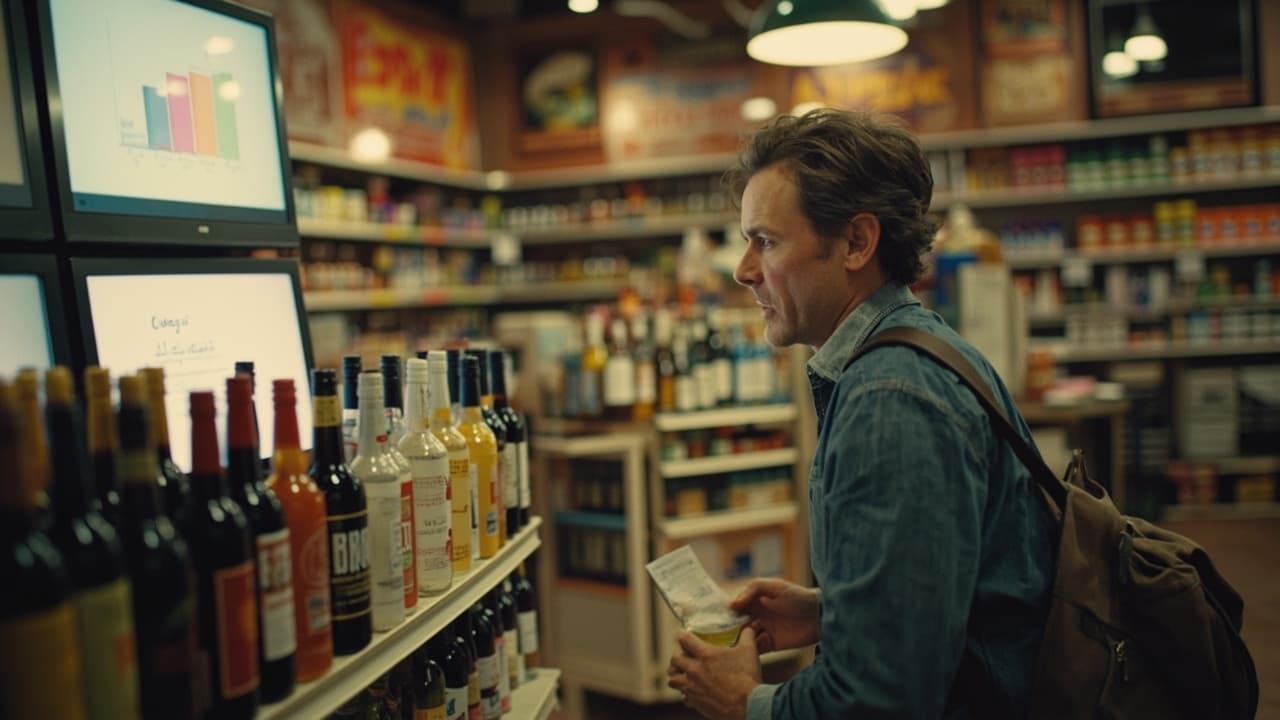
Discover 7 proven tech-driven retail lessons from Casey's General Stores that US liquor retailers can apply in 2026 to boost sales, cut costs, and win customers.
- TL;DR
- 1. Build a Unified Data Platform Before Everything Else
- 2. Deploy Edge Computing and IoT Sensors for Real-Time Inventory Visibility
- 3. Let AI Handle Reordering So You Can Focus on Curation
- 4. Create a Frictionless, Contactless Checkout Experience
TL;DR
- Casey's unifies fuel, food, and retail data on a single platform, a model liquor stores can replicate with POS and supplier integration
- Edge computing and IoT sensors are reshaping how convenience stores manage inventory in real time, and liquor retailers can apply the same approach
- AI implementation is becoming a priority investment for retail technology leaders, making automation increasingly essential for competitive liquor stores
- Unified loyalty ecosystems that bridge online and in-store experiences are driving Casey's customer retention, a strategy ready for direct liquor retail application
- Agentic AI and contactless checkout are emerging as 2026 game-changers that forward-thinking liquor retailers should start piloting now
1. Build a Unified Data Platform Before Everything Else
Casey's General Stores eliminated blind spots across fuel, food, and retail by connecting every inventory stream into a single platform. For liquor retailers, that same principle applies: your POS system, supplier data feeds, and e-commerce orders should live in one unified view. Without that foundation, you're essentially guessing which SKUs to reorder and when to adjust pricing. When platforms talk to each other, you spot real-time shifts in beverage industry trends, move dead stock faster, and negotiate better with distributors because you have actual numbers to back up your decisions. According to Gartner, 91% of retail IT leaders are prioritizing AI as the top technology to implement by 2026, but AI can't deliver results without clean, consolidated data underneath it. Start with the foundation, then build up.
2. Deploy Edge Computing and IoT Sensors for Real-Time Inventory Visibility
Edge computing and IoT shelf sensors give liquor retailers the same instant stock awareness Casey's achieved, no waiting for cloud systems to catch up. When a bottle leaves the shelf, your system knows immediately, not hours later when someone manually checks. This real-time visibility means you can reorder top sellers before they actually go empty, eliminating the lost sales and customer frustration of stockouts. With 91% of retail IT leaders prioritizing AI as the top technology to implement by 2026, liquor stores deploying similar edge infrastructure turn a persistent pain point into a solved problem.
3. Let AI Handle Reordering So You Can Focus on Curation
Let AI handle your replenishment orders so you can spend more time on what actually drives your store's identity, the curated selection that keeps customers coming back. Casey's General Stores demonstrates how AI-driven demand forecasting can automate purchasing across hundreds of SKUs, reducing stockouts and overordering simultaneously. For liquor retailers, AI tools can analyze seasonal patterns, supplier lead times, and local demand signals to automate your reorder points. This frees your attention for supplier relationships, new product discovery, and the in-store experience that distinguishes you from the competition. Retail technology leaders are increasingly making AI a core part of their technology roadmap for 2026 (Gartner), and automation is becoming table stakes for operators who want to stay competitive in evolving beverage industry trends.
4. Create a Frictionless, Contactless Checkout Experience
Casey's General Stores has piloted cashier-less and contactless checkout to eliminate bottlenecks during peak hours. Liquor retailers can adopt mobile checkout, scan-and-go, or contactless payment to reduce wait times and increase basket sizes. This matters for beverage industry trends too, younger, convenience-driven shoppers increasingly expect seamless, tech-forward experiences at every touchpoint. Frictionless checkout signals your brand is modern and responsive, helping capture sales from customers who might otherwise abandon carts or skip your store entirely. As retail technology leaders make AI implementation a priority for 2026, checkout technology is quickly becoming essential for staying competitive (Gartner).
5. Build a Loyalty Ecosystem That Bridges In-Store and Online
Casey's loyalty program rewards customers across fuel, grocery, and in-store purchases, turning single visits into cross-category relationships. Liquor retailers can mirror this by linking in-store purchases with online ordering or delivery through a unified loyalty system. As beverage industry trends lean toward convenience and personalization, reward programs powered by purchase history can drive repeat visits and larger basket sizes. With AI becoming a top implementation priority for retail technology leaders through 2026 (Gartner), loyalty platforms that analyze buying patterns are becoming essential infrastructure. The goal: make every customer touchpoint, physical or digital, count toward the same rewards account.
Discover 8 canned spirits launches reshaping the US alcohol market this summer. Key beverage industry trends, opportu...
6. Leverage Data to Anticipate Beverage Industry Trends Before Your Competitors
Casey's General Stores doesn't wait for trends to arrive, they use real-time demand signals to shift shelf space before the wave hits. For liquor retailers, AI-powered data tools can surface emerging demand for RTD cocktails, low-alcohol options, and craft spirits before these categories peak. This proactive approach means you're stocking what customers want next, not just what they bought last month. Retail technology leaders are prioritizing AI as a top implementation target for 2026 (Gartner), and the shelf-stable ready-to-drink segment alone is positioned for sustained growth at 6% CAGR through 2030 (The Business Research Company). By leveraging these insights, you can capture expanding categories before competitors claim that valuable shelf space.
7. Prepare for Agentic AI and Autonomous Store Operations
Agentic AI, systems that take action rather than just offering suggestions, is emerging as a significant force in 2026 beverage industry trends. Casey's General Stores exemplifies how retailers can position themselves to let AI agents autonomously manage pricing, promotions, and inventory replenishment. With retail technology leaders prioritizing AI for 2026 (Gartner), the shift from human-managed decisions to AI-driven execution is accelerating. For liquor retailers, the path forward involves starting with small pilot programs now, testing AI-assisted ordering or dynamic pricing in select categories like ready-to-drink beverages, which are experiencing sustained growth. These pilots build both the technical infrastructure and team confidence required for eventual full autonomy.
Casey's General Stores proves that technology adoption isn't just for big-box chains. By starting with unified data, layering in real-time visibility, and gradually embracing AI-driven automation, liquor retailers of any size can build a tech foundation that pays off. The key is to start small, stay curious, and treat every new tool as a step toward a more competitive, efficient operation.
Ready to bring your liquor store into 2026? Start by evaluating your current POS and inventory systems for gaps, that's the foundation everything else builds on.
Discover how California's AB 1585 wine labeling bill sparks three-tier system modernization with AI talks. Key insigh...
Frequently Asked Questions
What makes Casey's General Stores a model for liquor retailers?
Casey's operates convenience stores across the US and has invested heavily in unified data platforms, IoT inventory tracking, and AI-driven operations. These technology investments, originally built for fuel and prepared food, translate directly to liquor retail challenges like SKU complexity, supplier coordination, and omnichannel customer experience. Their practical, results-focused tech adoption makes them an ideal case study for liquor store operators looking to modernize.
Is AI really necessary for a small liquor store, or is it only for large chains?
AI doesn't have to mean enterprise-scale complexity. Small and mid-sized liquor retailers can start with AI-powered reorder suggestions, automated supplier communication, or simple customer segmentation for loyalty programs. Industry surveys consistently show that retail technology leaders are prioritizing AI investments, signaling that the technology is becoming accessible at every scale. Starting small with one AI workflow today builds readiness for deeper automation tomorrow.
How can a liquor store implement a unified data platform on a budget?
Start by connecting your POS system with one supplier or distributor's data feed. Many modern POS platforms for liquor retail offer built-in integrations that don't require custom development. Expand incrementally, add e-commerce or delivery platform data next, then loyalty program data. The goal is a single view of inventory and customer behavior, which can be achieved through cloud-based tools with monthly subscriptions rather than expensive on-premise systems.
What are the first technology steps a liquor retailer should take in 2026?
Begin with three foundational moves: (1) ensure your POS system generates clean, exportable sales data, (2) implement a digital loyalty program that captures customer purchase history, and (3) connect at least one supplier relationship to automated reorder triggers. These three steps create the data foundation for every more advanced technology, from AI forecasting to agentic automation, that will follow.
Discover 8 powerful AI-driven omnichannel strategies for liquor retailers navigating the 2026 DTC slowdown. Boost loy...
How does edge computing benefit a liquor store in practical terms?
Edge computing processes data locally (on-site) rather than sending everything to a remote cloud server. For a liquor store, this means shelf sensors, digital price tags, and inventory cameras can update stock levels instantly without internet latency. The practical benefit is real-time accuracy, your inventory system knows the moment a top-shelf bourbon sells out, so you can reorder immediately rather than discovering it during a physical count.
What beverage industry trends should liquor retailers watch in 2026?
Health and wellness positioning, functionality, flavor exploration, and sustainability are heavily influencing beverage purchasing decisions. The RTD (ready-to-drink) segment remains a fast-growing category that data tools can help retailers identify and capitalize on. Gen Z's evolving preferences and demand for brand storytelling, especially around mocktails and low-alcohol options, are also reshaping shelf allocation strategies. Data tools can help retailers spot these trends from their own sales signals before they fully hit mainstream.
What is agentic AI and how soon will liquor retailers use it?
Agentic AI refers to artificial intelligence systems that can autonomously plan, decide, and act, not just generate recommendations for humans to follow. In retail, this means AI that can independently adjust pricing, trigger reorders, launch promotions, or manage supplier communications. For liquor retailers, this level of automation is emerging now and expected to accelerate through 2026 and beyond. Early adopters who build the right data infrastructure today will be best positioned to benefit when these tools mature.