8 Emerging RTD Brands Every US Liquor Retailer Should Know Before Summer 2026
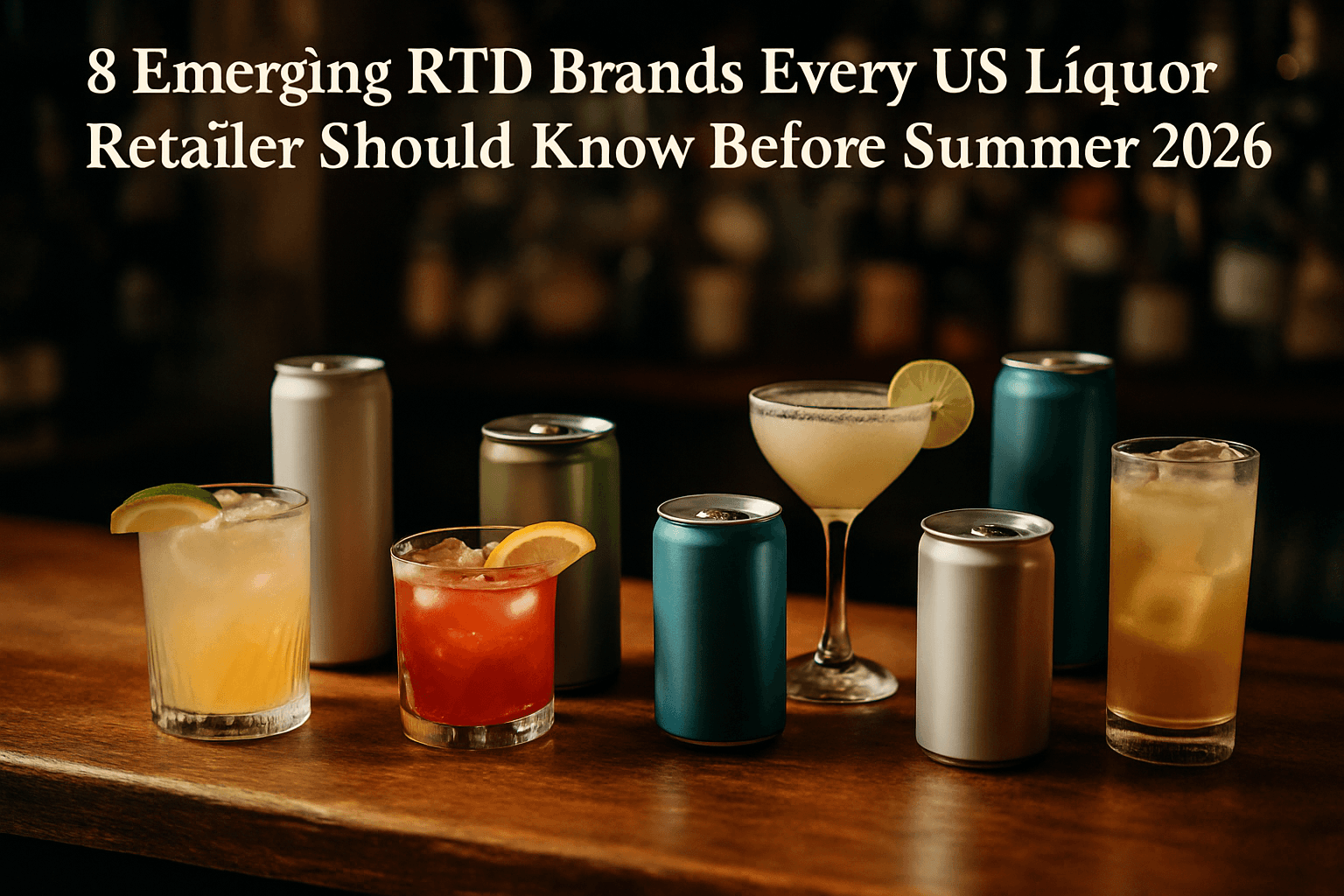
Discover the top emerging ready-to-drink cocktail brands and RTD trends 2026. Expert guide for liquor retailers on summer alcohol trends.
- TL;DR
- 1. High Noon Spirits, Leading the Spirit-Forward RTD Movement
- 2. Athletic Brewing, Redefining the Non-Alcoholic RTD Experience
- 3. White Claw, The Market Leader Retailers Can't Ignore
- 4. Bon & Vult, Small-Batch Cocktails with Premium Appeal
TL;DR
- RTDs represent a significant and growing share of total alcohol sales, too large to ignore
- Spirit-based RTD cocktails showing strong momentum heading into 2026
- Premium positioning and moderation-focused branding are winning with consumers
- Both established spirits brands and nimble challengers are driving innovation
- No/Low alcohol RTDs represent a fast-growing segment attracting new consumer segments
1. High Noon Spirits, Leading the Spirit-Forward RTD Movement
High Noon proved that spirit-based RTDs deserve premium shelf space and premium price points. By using real vodka or tequila as a base with natural fruit flavors, the brand attracted quality-conscious consumers who previously avoided the RTD category. This approach resonates with consumers increasingly interested in knowing what goes into their drinks. For liquor retailers, High Noon demonstrates that stocking spirit-forward options isn't just a trend; it's a proven category strategy. The spirit-based RTD cocktails market is anticipated to grow at a rate of 20.5% from 2026 to 2033, making brands like High Noon essential inventory ahead of peak summer demand.
2. Athletic Brewing, Redefining the Non-Alcoholic RTD Experience
Athletic Brewing has gained attention in the non-alcoholic space. The North American non-alcoholic spirits market is expected to grow at a CAGR of 9.4% from 2024 to 2034, according to Penn State Extension, opening real opportunities for stores that stock quality N/A RTDs. Athletic's craft-quality brews and ready-to-drink offerings appeal to both abstaining consumers and moderation seekers, and may help expand your customer base while potentially avoiding direct competition with traditional beer sales. Their partnership strategy with retailers helps these products reach mainstream shoppers beyond specialty stores. With RTD trends 2026 favoring innovation and variety, stocking Athletic Brewing may help position your store as responsive to evolving consumer preferences.
3. White Claw, The Market Leader Retailers Can't Ignore
White Claw remains the hard seltzer category's dominant force, making it essential shelf presence for any retailer following RTD trends 2026. The brand's consistent flavor innovation, including seasonal releases and limited editions, keeps loyal customers engaged while attracting new shoppers. That brand recognition translates directly to impulse purchases at checkout, where White Claw consistently moves off shelves. With RTDs accounting for approximately 12% of total alcohol sales, White Claw's market leadership means it anchors the category and drives adjacent RTD purchases.
4. Bon & Vult, Small-Batch Cocktails with Premium Appeal
Bartender-founded Bon & Vult brings professional cocktail expertise directly to the canned format, translating real bar experience into shelf-ready products. Their limited-edition releases can appeal to consumers interested in specialty products. Premium positioning suggests there may be room for premium positioning in a category often associated with budget-friendly options, retailers may be able to capture higher margins while meeting demand for sophisticated portable drinks. With spirit-based RTDs anticipated to grow 20.5% from 2026 to 2033, small-batch brands like Bon & Vult may help retailers capture share in evolving RTD trends 2026.
5. Crown Royal Ready to Drink, Big Spirits Brand Goes Portable
Crown Royal Ready to Drink brings the heritage of a major whisky brand into the portable RTD space, validating the category's premium potential. The whiskey-and-cola format taps into familiar flavor preferences, making it an easy recommendation for existing Crown Royal customers. This launch exemplifies how established spirits brands are adapting to RTD trends 2026 by meeting consumers where they are, on the go. The spirit-based RTD market is projected to grow at 20.5% from 2026 to 2033, and Crown Royal's entry reinforces this momentum. Retailers should note that many brands believe traditional brand recognition can be valuable; when a trusted name enters the RTD market, it may signal category acceptance and could draw interest from existing brand customers.
6. Truly, Versatile Flavors Drive Broad Consumer Appeal
Stock Truly's expansive flavor lineup to capture the broadest possible RTD customer base. The brand's aggressive flavor innovation, rolling out new varieties seasonally, keeps it competitive as the spirit-based RTD cocktails market grows at 20.5% from 2026 to 2033. Truly's strong social media presence builds community among younger consumers who discover and share drinks digitally. Their versatile portfolio, from hard seltzers to spirit-based options, serves occasions from poolside relaxation to house parties. This adaptability positions Truly well for shifting RTD trends 2026.
7. Vizzy, Antioxidant-Forward Hard Seltzer Differentiation
Vizzy carves out shelf space by leading with functional ingredients, specifically, antioxidant-packed superfruits like açaí and pomegranate, rather than competing on flavor alone. This ingredient-forward positioning appeals to health-conscious millennials seeking functional benefits beyond basic refreshment. The brand's striking purple hue and distinctive can design create immediate visual differentiation in a crowded cooler section. Vizzy's approach shows one way brands are attempting to differentiate in a competitive market. Stocking Vizzy positions your store to capture this growing segment without competing directly against flavor-only seltzer brands.
8. Surely, Premium Non-Alcoholic Wine and Spirits Range
Surely addresses the growing demand for sophisticated non-alcoholic options at social gatherings, giving retailers a premium entry point into the mindful drinking movement. With packaging that signals quality beyond traditional N/A perceptions, Surely positions itself differently in a market where consumers increasingly seek refined alternatives. The North American non-alcoholic spirits market is expected to have a CAGR of 9.4% from 2024 to 2034 (Penn State Extension), signaling sustained momentum as RTD trends 2026 evolve toward inclusivity. Retailers should allocate shelf space now to capture this shift before the category matures further.
Why RTDs Are Essential for Your 2026 Summer Strategy
If you're not yet prioritizing ready-to-drink products, now is the time. RTDs account for approximately 12% of total alcohol sales (Instagram/@theiwsr), a share too significant to ignore. Spirit-based RTD cocktails are showing notable momentum heading into 2026, with the category projected to grow at 20.5% from 2026 to 2033 (Grand View Research). These RTD trends 2026 reflect a real shift in consumer behavior, shoppers increasingly reach for convenient, pre-mixed options that fit their lifestyle. Stocking the right ready-to-drink selection means capturing demand that's already in your store. Focus on brands with clear positioning and proven consumer appeal rather than chasing every new arrival.
Frequently Asked Questions
What are the biggest RTD trends for 2026?
The spirit-based RTD segment is showing strong momentum heading into 2026, driven by consumer demand for premium, bar-quality convenience. Innovation is expanding beyond traditional formats, and the market is evolving with clearer category leaders emerging. Consumer trends are shifting toward moderation, convenience, and No/Low alcohol options.
How much of the alcohol market do RTDs represent?
RTDs now account for a significant and growing share of total alcohol sales in the US, showing strong market penetration despite broader challenges in other alcohol categories. This share may continue growing as more consumers embrace ready-to-drink convenience.
Which RTD brands should liquor retailers focus on for summer 2026?
Retailers should prioritize brands with clear positioning and strong consumer demand. Key categories include spirit-forward brands like High Noon, hard seltzer leaders like White Claw and Truly, health-conscious options like Vizzy and Athletic Brewing, and premium non-alcoholic alternatives like Surely. The 2026 market favors brands that can articulate a unique value proposition.
Is the non-alcoholic RTD segment worth investing in?
Yes. The non-alcoholic spirits market shows strong growth potential, with this segment capturing both non-drinkers and consumers practicing moderation. This may expand your customer base and could represent an opportunity for retailers looking to tap into the mindful drinking trend.
How are major spirits brands approaching the RTD market?
Major brands like Crown Royal are launching premium ready-to-drink versions of their flagship spirits, validating the category and bringing brand-loyal customers into the RTD space. This trend suggests RTDs may be becoming a more established category rather than a temporary phenomenon.
What shelf placement strategies work best for RTD brands?
Position best-selling RTDs near beer and wine sections for cross-category shopping. Create dedicated RTD endcaps during peak summer months. Stock premium spirit-based cocktails at eye level, and place value-oriented options at waist level. Consider in-store sampling to introduce unfamiliar brands.
How should retailers manage RTD inventory for summer 2026?
Plan for elevated RTD inventory levels heading into summer given continued category growth. Monitor regional preferences, coastal markets may favor hard seltzers while inland regions show stronger spirit-based cocktail demand. Replenish frequently during summer months to avoid stockouts during peak selling periods.
Ready to stock your shelves for summer 2026? Start by evaluating which of these RTD trends align best with your customer base, then reach out to your distributors about securing allocation for the fastest-growing brands. The RTD category won't wait, and neither will your customers.