8 Strategic Implications of Spec's Nevada Expansion Every US Liquor Retailer, Distributor, and Brand Manager Should Understand in 2026
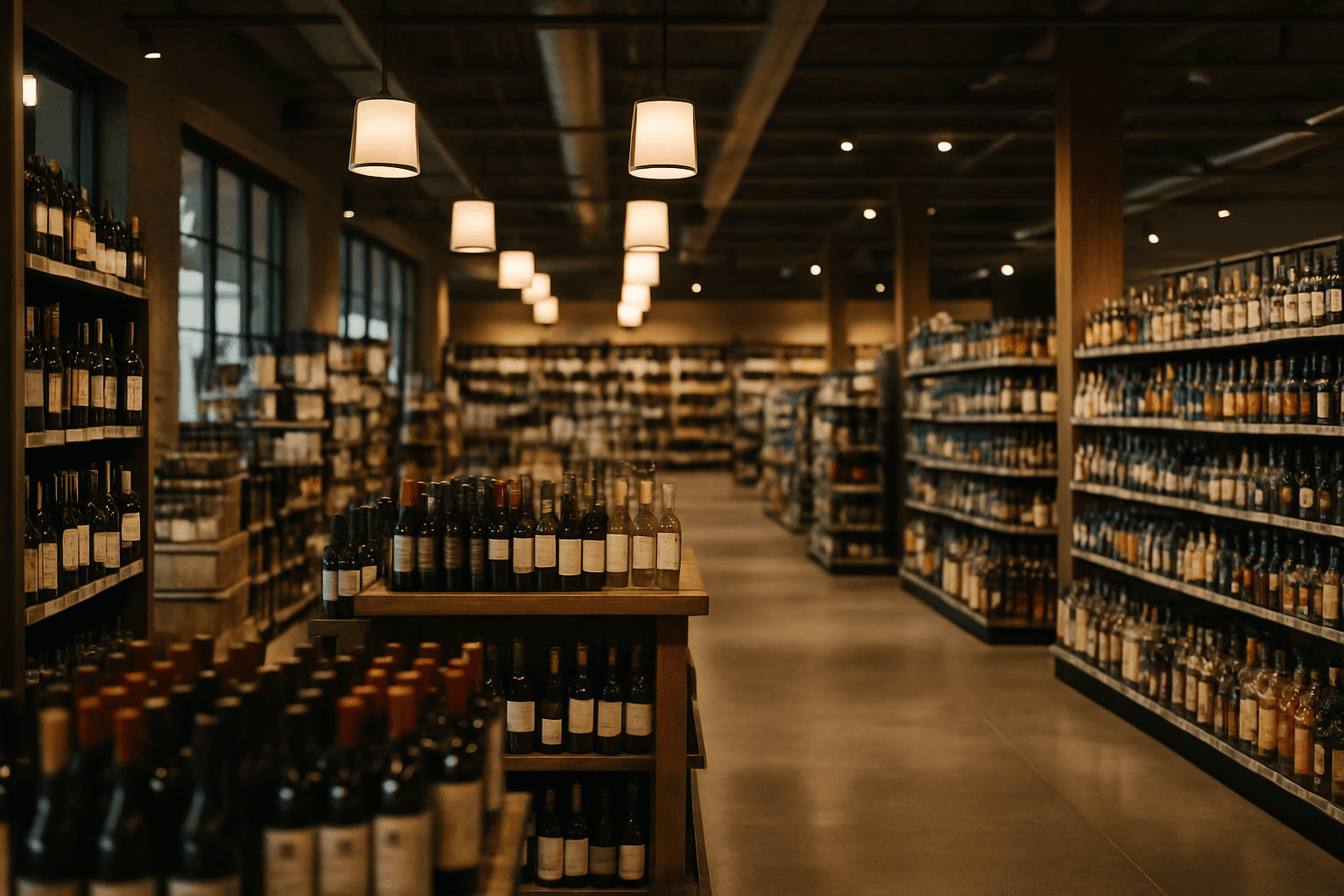
Nevada liquor retail expansion signals major shifts for US beverage industry trends. Discover 8 strategic implications for retailers, distributors, and brand managers.
- TL;DR
- 1. Off-Premise Growth Creates a Land Grab Mentality Among Major Retailers
- 2. Nevada's Tourism Economy Makes It a Prime Expansion Target
- 3. Independent Liquor Stores Face Intensifying Competition
- 4. Distributors Must Rethink Territory Strategies
TL;DR
- Off-premise alcohol retail continues strong growth trajectory, creating new expansion opportunities in high-growth markets like Nevada
- Major retail chains targeting Nevada signals intensifying competition for independent liquor stores across the US
- Health, wellness, and functionality trends are reshaping product mix requirements for expanding retailers
- Three-tier system navigation remains critical as multi-state operators enter new markets
- Brand storytelling and authentic differentiation are becoming make-or-break factors in crowded retail environments
1. Off-Premise Growth Creates a Land Grab Mentality Among Major Retailers
Off-premise alcohol retail is experiencing sustained momentum as sales projections climb and new markets open across the country. Major chains view geographic expansion as a strategic imperative, locking in prime locations before competitors establish presence often determines long-term market dominance. For independent operators, this window for differentiation is narrowing as industry consolidation accelerates. Successful independents will focus on localized product curation, deep customer relationships, and unique in-store experiences that larger retailers struggle to replicate. Understanding current beverage industry trends helps you anticipate which specialty offerings consumers will seek next, keeping your store relevant even as the competitive landscape shifts.
2. Nevada's Tourism Economy Makes It a Prime Expansion Target
Nevada's hospitality engine, anchored by Las Vegas and Reno, delivers consistent foot traffic most domestic markets can only dream of. Visitors spend freely on premium spirits and craft beverages, creating margin opportunities that routine local demand simply can't match. For beverage industry trends watchers, Nevada represents a unique convergence: high tourist purchasing power meets a regulatory environment that differs meaningfully from other states. Retailers entering this market can capture spending less tied to local economic cycles. The combination of year-round visitors, elevated per-bottle spend, and a distinct licensing pathway makes Nevada a calculated bet for operators diversifying beyond saturated home-state markets.
3. Independent Liquor Stores Face Intensifying Competition
Large operators with multiple locations can negotiate better wholesale pricing and spread overhead costs across more stores, advantages that squeeze independent stores' margins in a growing market. To defend their position, independent liquor stores should lean into what chains cannot easily replicate: deep community ties and curated selections that reflect local tastes. Focusing on local brands, rare spirits, or specialized categories can carve out defensible niches that keep customers returning. The overall US alcohol market is projected to grow significantly, meaning independents that find their niche can thrive even as larger players expand.
4. Distributors Must Rethink Territory Strategies
As Nevada's market expands, established distributor relationships face disruption from new retail entrants seeking to consolidate purchasing power. Major chains entering the space bring substantial volume potential, giving them significant leverage when negotiating distributor terms, potentially squeezing margins for distributors accustomed to working primarily with independent stores. However, this shift creates unexpected openings for smaller distributors who can pivot toward serving the growing independent retailer segment that national chains may overlook. The broader beverage industry trends suggest distributors who fail to adapt their territory strategies risk losing relevance. Successful distributors will need to demonstrate value beyond product availability, whether through logistics expertise, category management support, or specialized service for underserved retail segments.
5. Brand Managers Need New Placement Strategies for Evolving Beverage Industry Trends
Major retailers are now gatekeepers to shelf space and command better trade terms as consolidation reshapes distribution. Brand storytelling and authentic differentiation are no longer optional, they're essential for visibility in crowded stores. Products aligned with current beverage industry trends around health, wellness, and sustainability resonate with modern consumers and earn retailer preference. With off-premise alcohol retail sales projected to grow 3.5% to $178.20 billion, the opportunity is substantial, but only for brands that demonstrate clear value beyond the bottle.
Scotch whisky tariffs are lifted, here's exactly what US liquor stores and distributors should do now to capitalize o...
6. The Three-Tier System Remains a Navigational Challenge
Expanding across state lines means navigating a maze of different rules for distributors, licensing, and product approvals. State-by-state regulatory variations make compliance a moving target for operators entering new markets. Multi-state operators must build and maintain separate distributor relationships in each jurisdiction, which adds operational complexity and cost. The payoff is that a clean compliance record becomes a competitive advantage in states with competitive or limited licensing processes. Operators who invest in strong compliance infrastructure now position themselves to move faster when opportunities arise in new markets.
7. Technology Investment Becomes Non-Negotiable for Scale
As off-premise alcohol retail sales are projected to grow 3.5% to $178.20 billion, independent liquor stores must prioritize technology to compete effectively against larger retailers. Modern inventory management systems reduce stockouts and overstock situations that erode margins. Data analytics tools reveal consumer preference patterns, enabling smarter purchasing decisions that align with local beverage industry trends. Critically, AI-powered tools are becoming increasingly accessible for smaller operators, previously requiring enterprise-level budgets. Stores that delay digital infrastructure investments risk being squeezed between price-competitive chains and nimble, data-driven competitors. The technology barrier to compete at scale continues to lower, making now the optimal time to adopt these systems.
8. Premium and Functional Beverages Lead Growth Categories in Current Beverage Industry Trends
Health, wellness, and sustainability have become purchase drivers that no expanding liquor retailer can afford to ignore. Today's consumers actively seek products that align with their values, functional beverages offering targeted benefits, lower-alcohol options supporting mindful consumption, and brands with transparent sourcing and authentic origin stories. As off-premise alcohol retail sales are projected to grow 3.5% to $178.20 billion, expanding retailers will prioritize shelf space for products that demonstrate clear consumer relevance. For operators entering Nevada's booming market, stocking premium and functional beverages isn't optional, it's the positioning that captures the values-driven shoppers fueling category growth.
Nevada's expansion signals a pivotal moment for the entire US liquor industry. The moves happening in that market today, the retailer entries, the technology investments, the shift toward premium and functional products, will echo across every state. Whether you're an independent retailer finding your niche, a distributor adapting to new power dynamics, or a brand manager fighting for shelf space, the time to act is now.
Discover how clean label transparency is transforming US wine and spirits consumer behavior. 9 key beverage industry ...
Frequently Asked Questions
Why is Nevada becoming a focal point for liquor retail expansion?
Nevada's strong tourism economy, particularly in Las Vegas and Reno, creates year-round foot traffic and higher average transaction values than most domestic markets. The state's approach to retail licensing also provides a pathway for expansion that operators may find more navigable compared to other states.
How does off-premise alcohol retail growth affect my liquor store?
With off-premise sales showing sustained growth momentum, the overall market is expanding. However, major retailers expanding into new territories means independent stores must focus on differentiation through curated selections, local relationships, and specialized service to maintain competitive positioning.
What should distributors do when major chains enter their territory?
Distributors should diversify their client portfolios, strengthen relationships with independent retailers, and emphasize the value of flexibility and personalized service that major chains may not provide. Building strong partnerships across both retail types provides stability in a changing market.
How can brand managers prepare for increased retail competition?
Brand managers should invest in authentic storytelling, ensure products align with consumer preferences for health, wellness, and sustainability, and develop promotional programs that help both major and independent retailers move inventory effectively.
Discover 8 canned spirits launches reshaping the US alcohol market this summer. Key beverage industry trends, opportu...
What technology investments matter most for liquor retailers?
Inventory management systems, consumer data analytics, and AI-powered tools for inventory forecasting and customer engagement are becoming essential. These technologies help retailers compete more effectively against larger operators with deeper pockets.
How is the three-tier system affecting retail expansion strategies?
The three-tier system requires operators to navigate separate distributor relationships in each state, creating compliance complexity. Operators with strong compliance records and established distributor partnerships have advantages when entering new markets.
What beverage industry trends should retailers prioritize?
Health and wellness-positioned products, functional beverages, items with authentic brand stories, and sustainable packaging are leading trends in consumer demand. Retailers expanding into new markets should ensure their product mix reflects these preferences to maximize shelf space appeal.
Sources
Sources: eMarketer | Penn State Extension | Beverage Daily | Convenience Industry Canada | Oregon OLCC