Athletic Brewing Expands to 15 New Styles: Merchandising the NA Beer Boom
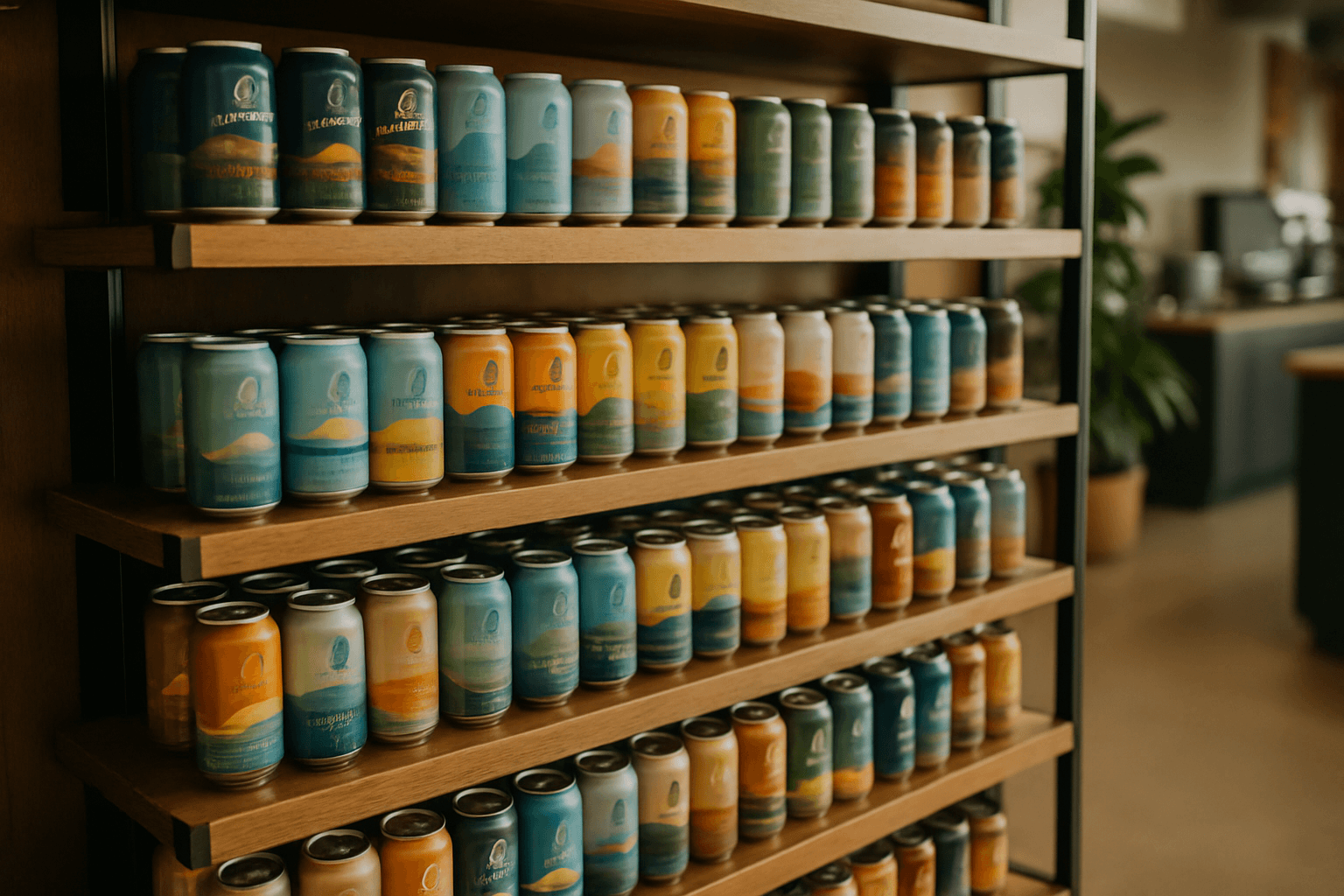
Athletic Brewing new styles are reshaping NA beer. Learn how to merchandise their expanded lineup and capitalize on the non-alcoholic beer boom in 2025–2026.
- The NA Beer Category Has Officially Graduated, And Athletic Brewing Is Leading the Class
- What's New: Breaking Down Athletic Brewing's Expanded Lineup
- The Merchandising Debate: Dedicated NA Section vs. Integrated Placement
- Beyond Dry January: Building a Year-Round NA Beer Strategy
- Competing with Athletic Brewing's Direct-to-Consumer Play
Non-alcoholic beer used to be the punchline. The thing your uncle grabbed at a cookout when he was "taking it easy," served with a shrug and zero enthusiasm. But walk into any well-stocked bottle shop today and you'll find something radically different: a curated, expanding, genuinely exciting NA beer section, and chances are, Athletic Brewing is taking up most of the real estate. With 15 Athletic Brewing new styles hitting the market, the country's leading dedicated NA brewery isn't just keeping pace with demand. They're setting the tempo.
For retailers, this expansion raises a practical question that goes well beyond "should we stock this stuff?" (You should. Obviously.) The real question is how, how to merchandise it, where to place it, when to promote it, and how to compete with Athletic's own direct-to-consumer channel that's quietly siphoning customers who can't find what they want on your shelves. This guide breaks all of that down.
Whether you're a store owner who's been riding the NA wave since the early days or someone who's just now realizing that dusty corner of the cooler deserves a serious upgrade, what follows is your playbook. Let's get into it.
The NA Beer Category Has Officially Graduated, And Athletic Brewing Is Leading the Class
Let's get something straight right out of the gate: non-alcoholic beer isn't a consolation prize. It's not the sad corner of your cooler where you stick a couple of dusty six-packs next to the sparkling water. Not anymore.
This is a full-blown, margin-friendly, shelf-space-worthy category, and if you're still treating it like an afterthought, you're leaving real money on the shelf.
From Niche Curiosity to Must-Stock Category
The numbers tell the story. There are now 40+ non-alcoholic beer brands showing up in best-of guides and year-end roundups. Subscription services like NA Beer Club and curated retail platforms like The New Bar have built entire businesses around this segment, proof that consumer demand extends well beyond Dry January resolutions that fizzle out by February.
So who's driving it? Sober-curious consumers. Health-conscious millennials who'd rather crush a great-tasting IPA without the hangover. Craft beer enthusiasts who want options for a Tuesday night or a weekday lunch. Pregnant partners. Designated drivers. Athletes. People who just... don't feel like drinking tonight but still want something interesting in their glass.
The NA beer trends heading into 2025 and beyond point in one direction: up.
Why Athletic Brewing Dominates the Conversation
As the largest dedicated non-alcoholic brewery in the U.S., Athletic Brewing Company has earned its spot at the front of this pack. And their latest move makes that position even harder to challenge.
The Athletic Brewing new styles expansion, 15 additions to an already impressive lineup, signals a company that isn't just riding a wave. They're building the wave. Their product catalog now spans an absurd range of flavor profiles: malt-forward varieties, citrus options, chocolate expressions, and coffee-infused brews. That's the kind of SKU diversification that used to be reserved for established craft breweries pouring full-strength beer.
With 6-packs at $10.99 and specialty 4-packs at $12.99, the lineup hits a price point that makes non-alcoholic beer merchandising a no-brainer for retailers ready to give this category the space it deserves.
Now that we've established why this category matters, let's dig into what Athletic Brewing is actually bringing to the table, because the breadth of this expansion is worth a closer look.
What's New: Breaking Down Athletic Brewing's Expanded Lineup
Athletic Brewing isn't just the biggest name in NA beer, they're building a catalog that would make most traditional craft breweries jealous. With 15 new styles hitting the market, the company is making a loud statement: NA beer isn't a niche anymore. It's a full-blown category.
Style Diversification That Rivals Traditional Craft Breweries
Let's talk about range. The Athletic Brewing lineup now spans American Pale Ales, Belgian-Style Whites, Brown Ales, cocktail-inspired brews, and enough flavor profiles to fill a spreadsheet. From bread-forward malt profiles to citrus-driven hops, rich chocolate stouts, and smooth coffee expressions, that's not a product line. That's a portfolio.
Discover 7 AI-powered crisis triggers for liquor retailers. Learn how predictive monitoring protects your store after...
And here's the thing: it's working. Athletic Brewing consistently shows up across multiple style categories in industry best-of lists, IPAs, lagers, stouts, you name it. When one brand earns top marks across that many styles, stocking a diverse selection isn't overkill. It's smart inventory management.
For retailers, these 15 new styles mean you can finally curate an NA section that feels as robust and intentional as your craft beer aisle. Pair that with accessible price points, 6-packs at $10.99 and specialty 4-packs at $12.99, and you've got a lineup that works for casual buyers browsing on a Tuesday and margin-conscious store owners watching their numbers.
Limited Editions and Collabs That Keep Shelves Fresh
In a competitive landscape with dozens of NA brands jockeying for shelf space, staying culturally relevant matters. Athletic Brewing gets this. Their limited-edition and collaboration releases, like the "Clock End Brew" red ale created with Arsenal FC, give stores a built-in reason to rotate inventory and generate buzz.
These drops are gold for non-alcoholic beer merchandising. They create urgency, drive repeat visits, and signal to customers that your NA section is alive and evolving, not an afterthought gathering dust in the corner. As the NA category continues accelerating, that kind of energy on your shelves is exactly what separates good retailers from great ones.
So you've got the product. You understand the lineup. Now comes the question that's causing the most heated debates among buyers and store managers: where does all of it actually go?
The Merchandising Debate: Dedicated NA Section vs. Integrated Placement
Here's a question that's sparking real debate in backrooms and buyer meetings across the country: where do you actually put all this non-alcoholic beer? With Athletic Brewing's expanded lineup and a growing field of competitors fighting for shelf space, this isn't a theoretical exercise anymore. It's a strategic decision that directly impacts your sales.
The Case for a Standalone NA Beer Section
Creating a dedicated NA destination does something powerful: it tells the sober-curious shopper, "We see you, and we take this seriously." Instead of awkwardly scanning every aisle, customers cutting back on alcohol can find everything in one spot, from Athletic Brewing's core six-packs to their specialty four-packs and beyond. A standalone section reduces stigma, simplifies the shopping experience, and positions your store as a leader in the NA space. When someone walks in specifically looking for non-alcoholic options, they shouldn't have to work for it.
The Case for Shelving NA Alongside Alcoholic Counterparts
But here's what a dedicated section misses: the impulse buyer. Think about the customer grabbing their usual IPA who spots Athletic Brewing's NA IPA right there on the same shelf. Suddenly they're thinking, "I could grab a six-pack of these for Tuesday nights." Integrated non-alcoholic beer merchandising captures these "both/and" shoppers, people who aren't browsing the NA section but would absolutely add a pack for weeknights or for a friend who's cutting back. Given that Athletic's lineup now spans malt-forward, citrus, chocolate, and coffee profiles across dozens of SKUs, there's a natural fit within nearly every style category you already stock.
The Hybrid Approach That's Working Best
Industry guidance from New Hope Network and Bottlecapps points to the same conclusion: do both. Maintain a dedicated NA destination section and cross-merchandise top sellers within their respective style categories. A brand this dominant deserves more than one touchpoint in your store.
The practical bridge? Shelf talkers. A simple tag that reads "Also available in non-alcoholic, find our full NA selection in Aisle 3" connects the two placements and guides every type of shopper exactly where they need to go. Low cost, high impact, the best kind of merchandising move.
Getting the placement right is a big win, but it only matters if you commit to it beyond the first few weeks of January. Let's talk about why year-round strategy is non-negotiable.
Beyond Dry January: Building a Year-Round NA Beer Strategy
Here's the biggest mistake we see retailers make with non-alcoholic beer merchandising: treating it like a New Year's resolution, all-in for January, then forgotten by Valentine's Day.
The data tells a different story. With dozens of brands now competing for shelf space and consumer loyalty, this category has moved well past "trend" territory. It's a permanent fixture. And Athletic Brewing keeps giving you reasons to stock up, their new releases drop throughout the year, not just in Q1.
A significant investment in the NA beer space signals major retail shifts for the non-alcoholic beer market. Explore ...
Seasonal Opportunities You're Probably Missing
Map this out on your merchandising calendar right now:
- Dry January, the obvious one, your highest-intent shoppers
- Spring fitness season, pair Athletic Brewing new styles with electrolyte mixers or health-forward snacks
- Summer BBQs, designated drivers, pregnant guests, and anyone pacing themselves in the heat all need options
- Sober October, the underrated sibling of Dry January
- Holiday party season, mixed groups demand inclusive drink menus
Athletic Brewing's limited-edition releases and collabs (like their Arsenal FC brew) create natural promotional moments. Use them to refresh endcaps and fuel social media content between those seasonal peaks.
Why Consistent Shelf Space Beats Seasonal Pop-Ups
Athletic's catalog runs deep across styles and flavor profiles, with price points that work for everyday purchases and premium gifting alike. That's real shelf variety at accessible prices.
But here's the thing: if a customer discovers Athletic Brewing in January and can't find it in your store come March, they're not waiting around. They're joining Athletic's DTC club and ordering direct. You lose that customer, possibly permanently.
Consistent shelf space builds consumer trust. It signals that your store takes this category seriously, which is exactly what brings NA shoppers back week after week, not just every January.
And that brings us to the elephant in the room, or more accurately, the subscription box on your customer's doorstep. Athletic Brewing isn't just competing for shelf space. They're competing for your customers.
Competing with Athletic Brewing's Direct-to-Consumer Play
Athletic Brewing isn't just dominating retail shelves, they're also building a direct pipeline to your customers. And if you're not paying attention, that pipeline could bypass your store entirely.
Understanding the Athletic Club Membership Model
Here's the deal: Athletic Brewing runs an Athletic Club membership where customers can order directly at competitive price points, with a steady stream of new releases to keep subscribers engaged. With Athletic Brewing new styles rolling out across an absurdly deep catalog, spanning malt-forward, citrus, chocolate, and coffee profiles, there's always something new to keep subscribers clicking "add to cart."
That's real competition. Don't sleep on it.
How Retailers Can Win the NA Beer Customer
But here's what a subscription box will never deliver: instant gratification. No shipping wait. No commitment. And most importantly, no discovery across the full spectrum of NA brands crowding the market right now.
This is where smart merchandising wins. Consider creating a "build your own six-pack" station featuring Athletic Brewing alongside brands like Partake, Gruvi, and Best Day. That curated, cross-brand experience is something a single-brand DTC subscription simply can't replicate.
Host tastings. Let people explore. And critically, train your staff to talk about NA beer with the same confidence they'd bring to a craft IPA conversation. A knowledgeable recommendation from a real person beats an algorithm every single time. That bartender-level expertise? That's your edge. Use it.
Now let's get tactical. You understand the category, the competition, and the strategy. Here's exactly how to execute when those 15 new styles show up at your door.
Discover how small wineries are using real-time market intelligence to compete with big wine producers and win valuab...
Practical Merchandising Playbook: Stocking Athletic Brewing's 15 New Styles
Here's the thing about Athletic Brewing's expansion: fifteen new styles is exciting, but it doesn't mean you need to clear an entire cooler door on launch day. Let's talk about how to be strategic.
Which Styles to Prioritize for Your Store
Start with what's already proven. Athletic Brewing's IPAs, lagers, and stouts consistently dominate best-of lists, so those should be your first order. From there, pay attention to the flavor profiles your customers already gravitate toward, the catalog runs deep, with everything from citrus-forward hops to chocolate and coffee-driven stouts. Match the new releases to what's already moving in your store.
Then expand based on velocity. The NA beer category is evolving fast, and shelf space is precious. Track sales by style and rotate underperformers quarterly. What sat on the shelf in Q1 might get replaced by a stronger addition in Q2. Stay nimble.
Pricing, Placement, and Promotion Tips
Think of your non-alcoholic beer merchandising the same way you'd handle a craft brewery's portfolio. Stock the $10.99 six-packs as your everyday NA anchor, these are the core styles customers grab weekly. Position the $12.99 specialty and cocktail-inspired 4-packs as the premium upsell for adventurous buyers and gift shoppers.
Placement matters. As the most recognized name in NA beer, Athletic Brewing is the brand most customers are actively looking for. Give it eye-level real estate in your NA section and let it anchor traffic toward neighboring brands.
Drive trial with endcaps during key windows, new style launches, seasonal shifts, and partnership moments like their Arsenal collab are perfect for impulse buys.
One more move worth trying: cross-merchandise the cocktail-inspired brews near your mixers or RTD cocktail section. These appeal to a slightly different customer than the straight beer buyer, and that adjacency can spark discovery among shoppers who weren't even browsing NA beer, they were just looking for something interesting to drink tonight.
The Bottom Line: NA Beer Isn't a Fad, It's Your Next Growth Category
Athletic Brewing's expansion to 15 new styles isn't happening in a vacuum. As the leading dedicated NA brewery in the country, their move to diversify across malt-forward, citrus, chocolate, and coffee profiles signals a category that's maturing fast, and demanding serious retail attention.
The trajectory is clear: with dozens of brands now competing for shelf space and consumer loyalty, the stores that win will be the ones that merchandise non-alcoholic beer with the same intentionality they bring to craft beer, wine, and spirits. No more afterthought shelving.
Start with Athletic Brewing as your anchor brand, their lineup spans accessible six-packs to premium specialty four-packs, giving you built-in price tiering. Build a year-round merchandising strategy around it. Treat the NA section as a destination.
The Athletic Brewing new styles expansion is your cue to act, not next quarter, not next Dry January, but now. The customers are already out there, and they're spending. The only question is whether they're spending in your store or on someone else's website.
Your homework this week: audit your current NA beer section. If it's a lonely shelf of O'Doul's and a single Athletic six-pack, it's time for an upgrade. Your customers are already looking for more, make sure they find it at your store.