E. & J. Gallo's $775M Bourbon Bet: What the Biggest US Winemaker's Category Pivot Signals for Retailers and Distributors
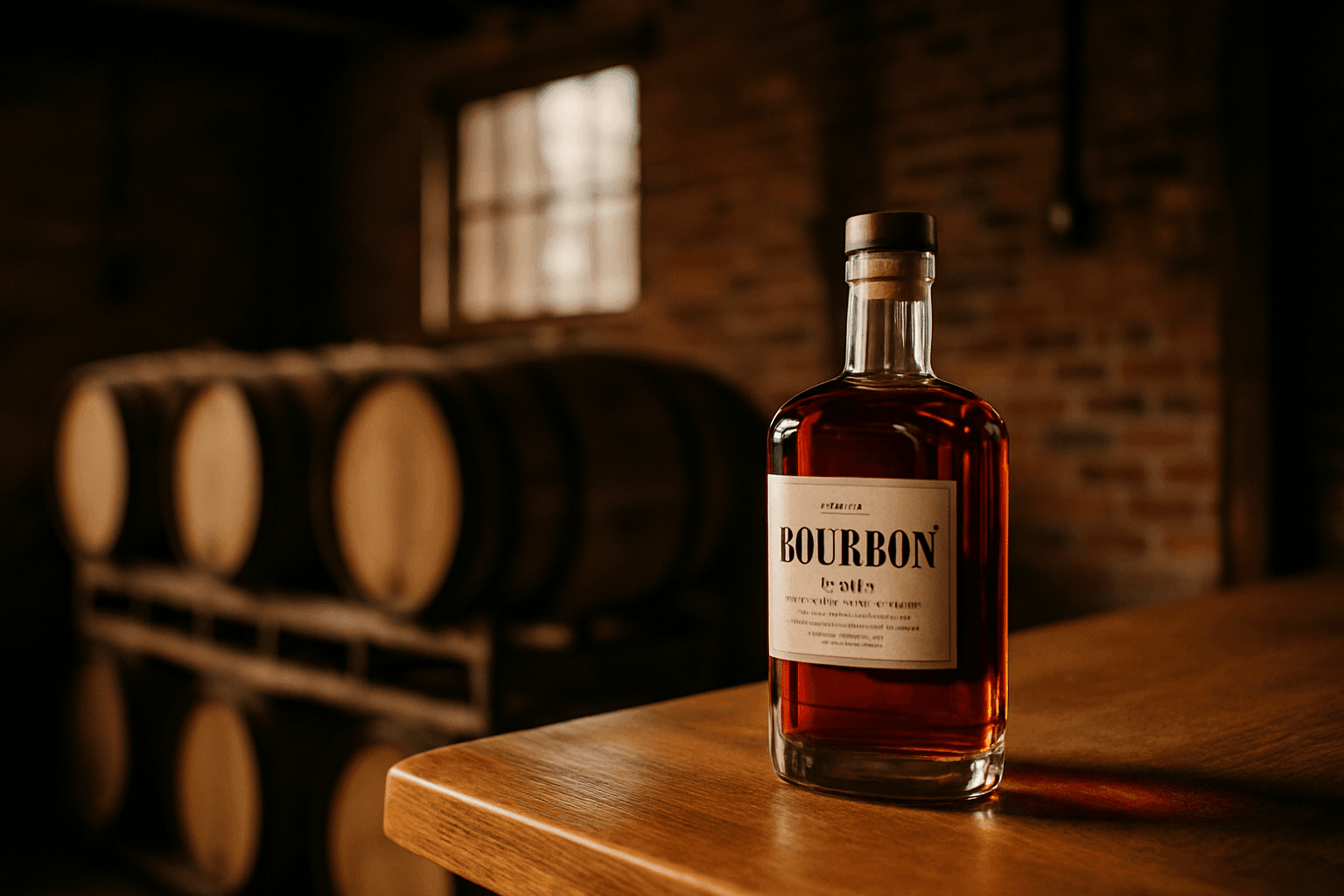
E&J Gallo bourbon acquisition of Four Roses for $775M signals a massive wine-to-spirits pivot. What retailers and distributors need to do right now.
- The Deal: Gallo Pays Up to $775 Million to Bring Four Roses Home
- Why Wine's Biggest Player Is Pivoting to Spirits, By the Numbers
- What This Means for Distributors: Portfolio Consolidation Is Accelerating
- What This Means for Retailers: Category Management Moves to Make Now
- What This Means for Producers and Brand Managers: The Competitive Landscape Just Shifted
The E&J Gallo bourbon acquisition of Four Roses isn't just another M&A headline to skim past in your morning trade briefing. It's a $775 million declaration that the country's largest winemaker has fundamentally redrawn its strategic map, and every retailer managing a bourbon set, every distributor holding a Four Roses agreement, and every competing producer playing in the $25, $60 whiskey tier needs to understand what just changed and why it matters to their P&L.
Here's the reality: wine volumes have declined for three consecutive years [VERIFY, cite source/years]. Spirits and RTDs are where the growth is, and the money is following. When a company with Gallo's scale, distribution infrastructure, and marketing sophistication decides to go all-in on bourbon, not with a licensing deal, but by buying a legendary Kentucky distillery outright, it sends a signal that reverberates through every tier of the three-tier system. This isn't a brand refresh. It's a category pivot backed by generational capital.
Whether you're a 15-store chain trying to figure out what happens to your Four Roses allocation next quarter, a regional distributor wondering if your agreement survives the ownership transition, or a craft bourbon brand manager watching a marketing juggernaut enter your competitive set, this post breaks down exactly what happened, why it happened, and, most importantly, what you should do about it this week.
The Deal: Gallo Pays Up to $775 Million to Bring Four Roses Home
When the deal closed in early April 2026 [VERIFY, confirm exact date], it didn't just reshuffle brand ownership, it repositioned Gallo as a vertically integrated spirits producer with serious bourbon infrastructure.
What Gallo Actually Bought (Hint: It's More Than a Label)
For up to $775 million, Gallo didn't acquire a licensing agreement or a marketing-rights deal. They bought the Four Roses Distillery in Lawrenceburg, Kentucky, the physical production facility, the barrel inventory, the aging stock, and the institutional knowledge baked into decades of bourbon-making operations.
That distinction matters enormously for retailers and distributors. A brand license can be pulled, renegotiated, or hollowed out. A distillery with barrels aging in rickhouses is a fundamentally different asset class. Gallo now controls supply from grain to glass, giving them the vertical integration to manage allocation, expand production, and develop line extensions on their own timeline, not a licensor's.
This price tag ranks among the largest bourbon brand acquisitions in recent history, signaling that established American whiskey brands still command premium valuations even amid broader industry headwinds. For context, Gallo already owns High Noon, one of the top-selling hard seltzer brands in the US, plus vodka, rum, and tequila labels. This isn't a dabble. It's a full category pivot backed by real capital.
There's also the narrative angle: Four Roses returns to American family ownership after decades under Japan's Kirin Holdings. Expect Gallo to activate that "homecoming" story aggressively across trade and consumer channels.
The Timeline and What the Speed Tells Us
Definitive agreement in February 2026. Deal finalized roughly two months later in April [VERIFY, confirm exact dates against primary sources]. That speed tells you two things: Gallo's conviction was high, and the due diligence was clean. In an industry where acquisitions routinely drag through 6–12 months of regulatory review and negotiation, a two-month close suggests both parties had aligned on terms well before the public announcement, and that Gallo had already mapped exactly how Four Roses fits into their portfolio architecture.
For distributors tracking category trends into 2026, that velocity is the signal. This wasn't exploratory. This was planned.
Understanding the deal mechanics is one thing. But to grasp why Gallo made this move, and why it matters beyond the bourbon aisle, you have to follow the data on where American drinkers are actually spending their money.
Why Wine's Biggest Player Is Pivoting to Spirits, By the Numbers
The Wine Consumption Decline That's Driving Diversification
This acquisition didn't happen in a vacuum. US wine consumption has declined for three consecutive years [VERIFY, cite source and specific data], and the demographic trendlines are brutal: younger legal-drinking-age consumers are reaching for spirits, RTDs, and non-alcoholic alternatives at rates that should keep every wine-dependent company up at night.
Gallo is the largest winemaker in the US by volume. That's an incredible competitive position, until the category itself starts contracting. The New York Post characterized the Four Roses deal as a "Hail Mary attempt to salvage crumbling empire after mass layoffs" [VERIFY, confirm exact quote and link]. That's hyperbolic. But the underlying pressure driving this pivot is very real, and every distributor and retailer carrying heavy Gallo wine allocations should be paying attention.
Gallo's Quiet Build Toward a Total Beverage Alcohol Portfolio
Here's what most coverage misses: this isn't a panic move, it's the capstone of a deliberate strategy. Gallo already built a dominant RTD position with High Noon and holds vodka, rum, and tequila labels. Adding a physical distillery with barrel inventory and production capacity completes a full-spectrum total beverage alcohol portfolio spanning wine, spirits, and RTDs.
For distributors, the signal is clear: Gallo is positioning as a one-stop supplier across every major category.
Meanwhile, seller Kirin Holdings' exit from American bourbon is worth watching. When international conglomerates divest US spirits assets, it reshuffles distribution relationships and creates short-term opportunities for nimble operators.
The bourbon category remains resilient at the premium tier even as value whiskey faces pressure. Four Roses sits in the sweet spot, strong brand equity, a loyal enthusiast following, and core-range price points ($25, $60) that perform across both on-premise and off-premise channels. Gallo didn't just buy a brand. They bought a category position.
The macro picture is clear: a total beverage alcohol supplier model is emerging, and Gallo is building one of the most formidable versions of it. Now let's get specific about what this means for each tier of the system, starting with the distributors who will feel the impact first.
Alcohol is one of the most heavily regulated consumer products in America. Here is how to build AI systems that respe...
What This Means for Distributors: Portfolio Consolidation Is Accelerating
The Total Beverage Alcohol Supplier Model Is Here
Gallo's spirits portfolio now spans hard seltzer (High Noon), vodka, rum, tequila, and, with the Four Roses deal finalized, premium Kentucky bourbon produced at the Lawrenceburg distillery. The wine-to-spirits pivot isn't experimental anymore. It's the strategy.
For distributors who already carry Gallo wine and High Noon, expect conversations about consolidating Four Roses into existing agreements, and potentially gaining leverage on volume incentives across categories. Gallo is building a complete book, and they want distribution partners who can move all of it.
The direction is clear: suppliers are constructing portfolios that let them offer distributors a total beverage alcohol relationship. Distributors who can't handle multi-category complexity will lose share to those who can. Period.
How Distribution Agreements Could Shift
Here's where it gets urgent. Distributors currently carrying Four Roses through legacy Kirin-era agreements need to proactively assess their position. Ownership transitions of this magnitude typically trigger distribution agreement reviews within 6–12 months [VERIFY, this is a general industry pattern, not a guaranteed timeline]. The time to have that conversation with your Gallo rep is now, not after the restructuring memo lands on your desk.
For mid-size regional distributors, this deal is a double-edged sword. Larger suppliers want fewer, bigger distribution partners. But those who can demonstrate strong execution across wine and spirits categories become significantly more valuable in that calculus.
The three-tier system means these transitions don't happen overnight. But the playbook is straightforward:
⚡ Quick Help, Distributors (60 seconds): Pull your Four Roses depletion data today. Calculate your trailing-twelve-month volume, margin contribution, and growth rate. Cross-reference it with your existing Gallo portfolio performance. When that call comes, and it will, you want to walk in with a unified story about why you're the right multi-category partner, backed by numbers, not just relationships.
Distributors aren't the only ones who need to move fast. If you're on the retail side, the shelf-level implications of this deal are already taking shape, and the window to get ahead of them is narrow.
What This Means for Retailers: Category Management Moves to Make Now
The definitive agreement dropped in February 2026, and the deal closed by early April. That means the effects are already rippling through your supply chain. Here's how to get ahead of them.
Shelf Space and Assortment Implications
If you're managing 10,000+ SKUs (and most of you are doing it with a skeleton crew), flag every Four Roses expression in your inventory system right now: Yellow Label, Small Batch, Small Batch Select, Single Barrel, and any Limited Editions you're sitting on. Distillery acquisitions can create a 30–90 day window of allocation tightening as new owners audit barrel inventory at the production facility [VERIFY, this is a common pattern but not guaranteed].
This is also the moment to review your bourbon set holistically. When a company with Gallo's scale and marketing budget enters the spirits game with $775 million on the table, they push for expanded facings. That pressure is coming. Know your bourbon category margins by brand so you can negotiate from data, not gut feeling.
⚡ Quick Help (60 seconds): Pull a report on your Four Roses sell-through velocity for the last 90 days. That's your baseline. If units dip over the next month, you'll catch a supply disruption early instead of staring at empty shelf tags.
Pricing and Promotion Expectations Under New Ownership
Expect Gallo to invest aggressively in Four Roses trade marketing, co-op dollars, display programs, seasonal promotions, all fueled by a "homecoming to American ownership" narrative. Retailers who build Four Roses displays and endcaps early position themselves to capture those dollars before competitors even pick up the phone.
Here's the less obvious play: your Gallo rep, who previously only talked Apothic and Barefoot, may soon pitch a combined wine-and-spirits program. Evaluate these on merit. But recognize the real buying-power leverage that comes with consolidating suppliers, especially as the industry-wide pivot toward spirits accelerates.
The bourbon market in 2025 and 2026 points one direction: more corporate capital, more competition for shelf space, more sophisticated trade spend. The retailers who win are the ones treating category management as a data discipline, not a seasonal guessing game.
Retailers and distributors are adjusting their playbooks. But there's a third group watching this deal just as closely, the producers and brand managers who just woke up to a new, very well-funded competitor in their category.
What This Means for Producers and Brand Managers: The Competitive Landscape Just Shifted
When the company behind High Noon's RTD dominance commits $775 million for physical production assets in Kentucky, every bourbon producer needs to recalibrate.
Gallo's Marketing Machine Enters Bourbon
Gallo brings arguably the most sophisticated marketing and sales organization in beverage alcohol to a category it can now shape directly. Competing producers, especially those playing in the $25, $60 range where Four Roses lives, should brace for increased shelf competition, more aggressive trade spend, and tighter allocation of prime retail real estate. Gallo doesn't enter categories quietly. They entered RTDs with High Noon and captured massive market share. Expect the same playbook applied to bourbon.
High Noon tequila seltzer brings real Blanco tequila to the RTD game. We break down all 4 flavors, nutrition stats, a...
Brand managers at competing spirits companies: watch Gallo's distribution moves closely. If they consolidate Four Roses into their existing wine distribution network in certain states, it could disrupt established spirits relationships, and create openings for brands willing to move fast on newly available distributor bandwidth.
Smaller Bourbon Brands: Threat or Opportunity?
Here's the counterintuitive read: when a giant enters a category carrying a heritage brand, it often lifts overall consumer interest. The rising tide effect is real, but only if smaller brands differentiate sharply on provenance, mash bill transparency, or limited-release storytelling. Gallo's entry validates bourbon's growth trajectory. Your job is making sure the rising tide lifts your boat, not just theirs.
We've covered the strategic implications across all three tiers. Now let's distill everything into the specific actions you can take this week, because in a deal that moved from announcement to close in two months, waiting isn't a strategy.
Quick Help Guide: 3 Things to Do This Week Based on the Gallo, Four Roses Deal
The deal closed in early April 2026, roughly two months after the definitive agreement was announced. That means changes to pricing, programming, and distribution strategy could already be in motion. Here's what to do right now.
For Retailers (30-Second Action)
Pull your last 90 days of Four Roses sales by expression. Know your velocity and margin before your rep calls, because that call is coming. Gallo didn't pay $775 million to keep things status quo. If you're a LiquorChat ↗ user, ask: "Show me Four Roses depletion trends and margin by SKU for the last quarter." LiquorChat's agentic architecture, where specialized AI agents simultaneously handle inventory analysis, competitive benchmarking, and pricing optimization, surfaces that answer in seconds instead of the hours you'd spend digging through spreadsheets. Walk into that conversation armed, not guessing.
For Distributors (60-Second Action)
Identify every account currently buying Four Roses and flag them for proactive outreach. This ownership transition is a natural conversation starter, use it to deepen relationships before a competitor does. In LiquorChat, ask: "Which of my accounts have ordered Four Roses in the last 6 months and what's their average order size?" The platform's multi-agent system cross-references your order history, account profiles, and market data in a single query, no manual spreadsheet merges required. Get ahead of the resets.
For Producers and Brand Managers (60-Second Action)
If Four Roses sits in your price tier, audit your competitive set now. Map shelf overlap and on-premise placements across key markets. Gallo knows how to deploy marketing dollars at scale, they proved it with High Noon. Prepare a differentiation brief for your sales team before that spend hits bourbon. Use LiquorChat to run a competitive positioning analysis against Four Roses across your priority markets. The platform's RAG-powered intelligence layer pulls from real-time depletion data and market reports, giving you a current competitive picture rather than a months-old snapshot. In a bourbon market trending toward consolidation, well-funded operators are coming for share. Your move.
These immediate actions will get you through the next few weeks. But the Gallo, Four Roses deal isn't an isolated event, it's the clearest signal yet of a structural transformation reshaping the entire beverage alcohol industry.
The Bigger Picture: Spirits Industry Consolidation and What Comes Next
Why the Wine-to-Spirits Pivot Is a Category-Wide Trend
The E&J Gallo bourbon acquisition isn't an anomaly, it's a signal flare. This investment reflects a structural shift in US alcohol consumption that's been building for years: spirits are stealing share from wine, and the biggest players are repositioning accordingly.
Consider the pattern. Gallo built RTD dominance with High Noon. Now they've added a storied Kentucky distillery with physical production assets. This is portfolio diversification at scale, and it mirrors moves across the industry as wine-dependent companies seek growth in spirits.
For retailers and distributors, the strategic implication is clear: the companies supplying your shelves are fundamentally restructuring. Your category management needs to keep pace. Fewer, larger suppliers mean broader portfolios and more negotiating leverage on their side. The antidote? Better data, granular visibility into category performance, margin contribution by brand, and velocity trends so you negotiate from strength, not guesswork.
How AI-Powered Tools Help You Stay Ahead of Industry Shifts
This is where platforms like LiquorChat ↗ deliver practical value. Instead of waiting weeks for depletion reports or manually cross-referencing distributor spreadsheets, you surface actionable market insights in real time.
Under the hood, LiquorChat uses an agentic AI architecture, multiple specialized agents working in parallel, each handling a distinct task like inventory analysis, competitive intelligence, or pricing optimization. These agents coordinate through an orchestration layer, pulling from a RAG (retrieval-augmented generation) pipeline that grounds every answer in your actual data rather than generic models. The result: when you ask a plain-language question like "How does my Four Roses margin compare to Woodford Reserve across my top 20 accounts?", the system dispatches the right agents, retrieves the right data, reasons across it, and returns a specific, actionable answer, not a vague summary.
When the next major acquisition drops, the most sophisticated operators in the three-tier system already know how it affects their business because they have this kind of real-time intelligence layer in place. The Gallo, Four Roses deal is a case study in why that capability matters: ripple effects touch every level of the supply chain, and the operators who see them first win.
⚡ Quick Help, 30-Second Action Item: Pull your Four Roses and competing bourbon SKU data today. Know your current velocity, margin, and days-on-hand. When Gallo's distribution muscle shifts pricing or allocation post-acquisition, you'll negotiate with numbers, not hunches.
The Bottom Line
The E&J Gallo bourbon acquisition of Four Roses for up to $775 million is the kind of deal that redraws the competitive map for years. It confirms that the wine-to-spirits pivot is no longer a theoretical trend, it's the operating reality for the largest players in beverage alcohol. Distributors face portfolio consolidation pressure. Retailers face shelf-space battles backed by deeper pockets. Producers face a new competitor with unmatched marketing infrastructure and a proven playbook for category domination.
But here's the thing about seismic shifts: they create as many opportunities as threats, if you see them clearly and move before the dust settles. The operators who thrive through this transition won't be the ones with the biggest teams or the longest tenure. They'll be the ones with the best data, the fastest insights, and the discipline to act on both.
That's what LiquorChat is built for. Whether you need to pull Four Roses depletion trends in seconds, map competitive shelf positioning across your markets, or model how a supplier consolidation affects your margin mix, the platform puts real-time, data-grounded intelligence at your fingertips, in plain language, whenever you need it.
The deal is done. The ripple effects are already in motion. Start a conversation with LiquorChat today ↗ and make sure you're the one setting the pace, not scrambling to keep up.