How Independent Liquor Stores Can Build a Loyal Online Community Through Chat-First Customer Engagement
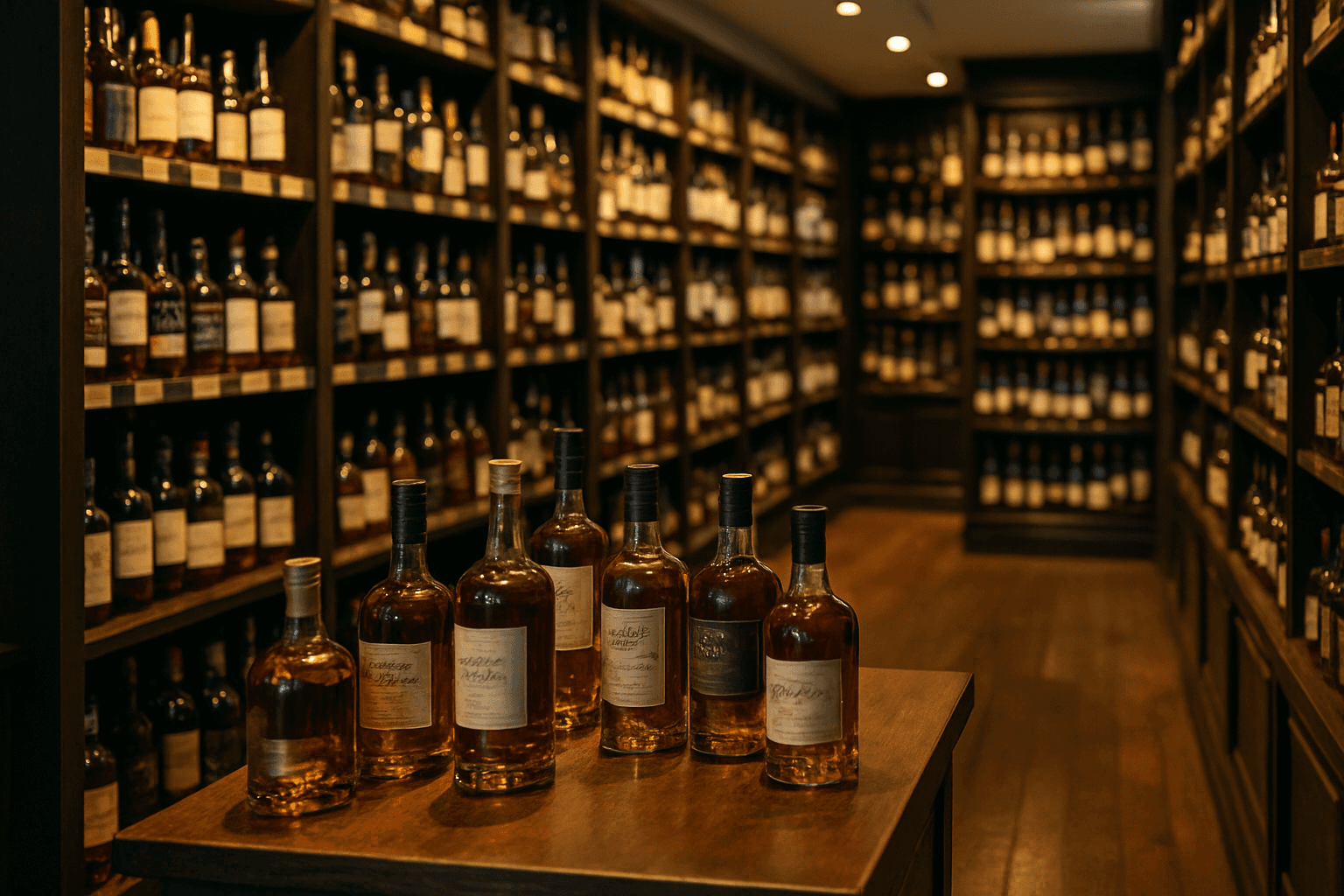
Discover how chat-first liquor store customer engagement builds loyal online communities. Proven strategies for independent retailers to connect and convert.
- Your Best Customers Already Prefer You, Now Keep Them Coming Back
- What 'Chat-First' Actually Means (And Why It's Different From Just Being Online)
- The Gen Z Factor: Why Your Next Best Customers Prefer to Message You
- 5 Ways Chat-First Engagement Builds a Real Online Community
- Building Your Brand Voice: Consistency From the Counter to the Chat
You know that moment when a regular walks in and you already know what they're looking for? Maybe it's the guy who's working his way through every rye on your shelf, or the woman who trusts you to pick her wine for dinner parties. That relationship, built on trust, taste, and actual conversation, is the single biggest advantage you have over every chain, app, and algorithm out there.
But here's the thing: your customers aren't just in your store anymore. They're scrolling at 10 PM, researching bottles on their commute, and texting friends for recommendations while standing in someone else's aisle. If your engagement strategy begins and ends at your front door, you're leaving your best competitive advantage on the table.
The good news? You don't need a massive budget or a social media team to fix this. You need to do what you already do best, have real conversations with people who care about good drinks, and bring that into the digital spaces where your customers are already hanging out. That's the promise of chat-first engagement, and it's tailor-made for independent retailers like you. Let's break down exactly how it works.
Your Best Customers Already Prefer You, Now Keep Them Coming Back
Here's the good news: you're already winning. 34.6% of consumers prefer purchasing spirits from an independent liquor store over big-box retailers and grocery chains [VERIFY: DI Insights, 2022, confirm source name and whether data remains current]. That's not a niche, that's a massive built-in audience that actively chooses you for your curation, your expertise, and that personal touch no chain can replicate.
Now here's the catch.
The Independent Advantage by the Numbers
Despite that loyal base, purchase frequency at liquor stores is declining [VERIFY: The Shout / Fonto, 2026, a 2026 publication date appears to be in the future; confirm whether this is a forecast published in an earlier year]. Customers aren't browsing the aisles as often as they used to, and Gen Z, an increasingly important demographic for bottle shop sales, shops differently than the generations before them. They research online, engage on their phones, and expect brands to show up where they already are.
You can't build lasting customer loyalty online if you're only counting on foot traffic to do the heavy lifting.
Why Digital Engagement Is No Longer Optional
Consider this: retail media is projected to capture nearly 25% of all US media ad spending by 2028 [VERIFY: attributed to WinePOS, 2025, this figure is more commonly sourced from eMarketer/Insider Intelligence; confirm attribution]. Your customers are moving into digital channels whether you follow them or not. The independent stores that thrive will be the ones that meet them there.
That's where chat-first engagement comes in, and it's the most underutilized, highest-impact tool independent stores have for building a real online community.
This isn't about replacing your in-store experience. It's about extending that favorite-bartender relationship into the digital world, so the next time a customer is debating between two bourbons at 8 PM on a Tuesday, you're the one they ask.
Liquor store customer engagement doesn't start when someone walks through your door anymore. It starts in the conversation.
So if the conversation is what matters, what does it actually look like to put it at the center of your digital strategy?
What 'Chat-First' Actually Means (And Why It's Different From Just Being Online)
Let's clear something up: having an Instagram account doesn't mean you're engaging customers. It means you're broadcasting at them. There's a massive difference, and it's one most independent liquor stores are missing entirely.
Chat-first engagement means prioritizing direct, two-way conversations, through SMS, web chat, messaging apps, or purpose-built platforms, as the foundation of your digital strategy. Not an afterthought. The foundation.
Chat-First vs. Social-First: Understanding the Difference
Here's the analogy that makes it click: posting on Instagram is like putting a sign in your window. Chat is like having your best employee greet a regular by name and remember they loved that small-batch bourbon last month.
Discover why liquor store customer retention depends on browse data. Learn how to turn window shoppers into loyal buy...
Both matter. But only one builds a community that actually sticks.
The marketing world talks endlessly about social media and community engagement as top liquor retail strategies. Almost nobody is talking about conversational commerce as its own channel. That's the gap, and it's your opportunity.
Why Conversations Beat Broadcasts Every Time
When customers are visiting less often, every engagement touchpoint carries more weight. Personalization, storytelling, and emotional connection are proven drivers of loyalty, and all three come naturally in a one-on-one chat. A generic post about your new rosé selection? Forgettable. A direct message recommending it based on someone's taste preferences? That's relationship-building.
Chat-first doesn't mean chat-only. It means conversations become the engine your other digital strategies build around.
Now let's talk about who's on the other end of those conversations, because there's one demographic you really can't afford to ignore.
The Gen Z Factor: Why Your Next Best Customers Prefer to Message You
Gen Z is now a key driver of bottle shop sales trends [VERIFY: The Shout / Fonto data, 2026, confirm source date]. The oldest members of this generation are in their late twenties, entering their prime spirits-buying years, and they don't shop like their parents did.
How Younger Drinkers Discover and Buy Differently
Gen Z discovers bottles at bars first, then hunts them down to buy. They try a mezcal cocktail on a Friday night, screenshot the label, and want to know who has it in stock by Saturday morning. That venue-to-bottle pipeline is real, and it moves fast.
You can't afford to miss the moment a curious 25-year-old is ready to buy.
Meeting Gen Z Where They Already Are
This generation doesn't call. They barely email. They message. Chat-first engagement isn't a nice-to-have for reaching younger drinkers, it's their native language.
A quick "Do you carry this?" chat message is low-friction and high-intent. The independent stores building community through chat now are future-proofing their customer base. Earn Gen Z's loyalty today and you'll keep it for decades.
Now that you understand why chat-first matters and who it reaches, here are five practical strategies that turn chat from a communication tool into a community-building engine.
5 Ways Chat-First Engagement Builds a Real Online Community
When visit frequency is declining, every customer interaction matters more than it used to. Chat-first engagement lets you make each of those touchpoints count, rolling the five proven loyalty-building strategies (great service, personalization, rewards, events, and online engagement) into one seamless channel.
Here's how it works in practice.
1. Personalized Recommendations That Feel Like Talking to a Friend
Think about your best floor employee, the one who remembers that a regular loves peaty scotch or that another customer always needs a hostess gift under $30. Chat lets you scale that person.
Set up an AI voice reorder system for your liquor business. Let top accounts replenish stock by voice in 60 seconds w...
Ask customers what they liked last time, what they're cooking this weekend, or whether they're shopping for a date night or a tailgate. Then recommend accordingly. It's liquor store customer engagement that actually feels human, not algorithmic. That personal touch is your competitive edge, protect it digitally.
2. New Arrival Alerts and Exclusive First-Dibs Access
When that allocated bourbon or limited-release natural wine hits your shelves, a chat message to your community feels like an insider tip, not a mass email blast headed for the promotions folder. This kind of exclusive access is what turns casual buyers into loyal advocates and builds a genuine community that people actually want to be part of.
3. Virtual Tastings and Event Invitations via Chat
Use chat channels to invite your community to in-store tastings, virtual happy hours, or live Q&As with distillers and winemakers. RSVPs happen right in the conversation. Follow-ups are instant. No one has to dig through their inbox. For younger customers who live in their messaging apps, this format just makes sense.
4. Loyalty Programs That Live in the Conversation
Nobody wants another punch card lost in a junk drawer. Integrate loyalty rewards directly into your chat flow, points updates, reward reminders, birthday offers, and suddenly your loyalty program feels less like a transaction and more like a relationship.
5. Gathering Feedback and Making Customers Feel Heard
Here's where chat-first engagement really shines: it's a two-way street. Ask your community what they want you to stock, what events they'd show up for, or what price points actually work for them. This isn't a survey they'll ignore. It's a conversation they're already in.
That feedback loop turns customers into collaborators, and collaborators don't leave.
All of this only works if your digital presence actually sounds like you. A chat channel with no personality is just another notification to ignore.
Building Your Brand Voice: Consistency From the Counter to the Chat
People are choosing you over the big chains. They're choosing your personality, your recommendations, your vibe. The challenge? Making sure that vibe translates when they find you online.
Translating Your In-Store Personality to Digital
Your chat voice should sound like your best employee, the one who knows the difference between mezcal and tequila but doesn't make anyone feel dumb for asking. Knowledgeable but not pretentious. Helpful but not pushy. Genuinely excited about that new small-batch bourbon that just hit the shelf.
Here's a practical move: create a simple brand voice guide for anyone managing your chat. Include three to five tone words (think "friendly," "curious," "straightforward"), a handful of example responses, and a short list of things to avoid (jargon dumps, one-word answers, anything that reads like a corporate FAQ bot). Keep it on one page. That's it.
Why a Consistent Brand Voice Turns Browsers Into Lifelong Buyers
When your in-store experience, social media presence, and chat interactions all feel the same, you're building something bigger than a transaction. You're building trust. And trust is what turns an online community from a nice idea into an actual revenue driver.
This matters especially for Gen Z, who expect seamless, authentic interactions across every channel. A chat-first strategy meets them exactly where they are, in their messages, on their terms, in a voice they recognize and trust.
Consistency across every touchpoint, counter, comment section, and chat window, is what transforms casual browsers into the kind of loyal customers who tell their friends. That kind of loyalty compounds over time.
You've got the why, the what, and the who. Now let's make it happen.
Discover how voice-first commerce is transforming liquor store customer experiences with AI-powered product discovery...
Getting Started: A Simple Chat-First Engagement Playbook
You don't need a massive tech budget or a marketing team to pull this off. You just need a plan, a starting point, and the willingness to actually talk to your customers. Here's your five-step playbook.
Choose Your Channel (Start Where Your Customers Already Are)
Pick one platform and commit. SMS works great for broad reach. Web chat captures on-site shoppers while they're browsing your inventory. A purpose-built platform like LiquorChat [VERIFY: confirm LiquorChat is a real, active product] is designed specifically for liquor retail, so you're not jury-rigging a generic tool to fit your business.
The key? Don't try to be everywhere at once. Make it count on one channel before expanding.
Launch with a Small, Engaged Group
Start with your best 50–100 customers. You know who they are, the regulars, the ones who ask for recommendations, the folks who show up every time you get a new allocation. Invite them personally at checkout, with a sign at the register, or through your existing email list.
A small, engaged group beats a large silent one every single time. This is how you seed a real community, not with a blast to thousands, but with a genuine invitation to the people who already care.
Deliver value immediately. Your welcome message should include a personalized recommendation or a small exclusive offer. First impressions in chat set the tone for the entire relationship. Nobody wants their first interaction to feel like a generic coupon mailer.
Scale What Works, Drop What Doesn't
Once you're rolling, establish a cadence: one to two chat touchpoints per week hits the sweet spot. Think weekly staff pick, a weekend pairing suggestion, or a new arrival alert. That's enough to stay top-of-mind without crossing into "unsubscribe" territory.
Then measure everything. Track open rates, response rates, redemption on chat-exclusive offers, and event attendance. The messages that get replies? That's your community telling you exactly what they want. Double down on those.
With nearly 35% of consumers already preferring to buy spirits from independent stores, you've got a built-in audience that chose you over the big box. Chat-first engagement just gives you the tool to keep them choosing you, and to turn one-time buyers into lifelong regulars.
The Bottom Line: Your Community Is Your Competitive Moat
You're not starting from zero. That built-in preference for independent stores is real, and it's your foundation. Chat-first engagement is how you turn that preference into something competitors can't touch.
Why Chat-First Engagement Is the Future of Independent Liquor Retail
The numbers tell a clear story. Visit frequency is declining, which means every customer interaction carries more weight. Meanwhile, digital ad spending is increasingly dominated by big budgets, and that's a game rigged against great service.
Big-box retailers and delivery apps will always compete on price and convenience. Let them. They can't replicate the personal, knowledgeable, community-driven experience that defines independent liquor retail, and chat is how you scale that experience online. Building a community through direct conversation creates the kind of loyalty no algorithm can erode.
Start small. Start now. Send a recommendation to a regular. Answer a question before they have to ask it. Start talking to your customers the way you already do best, like a trusted friend who happens to know a lot about great drinks.
The best liquor store customer engagement doesn't feel like marketing. It feels like a conversation you'd actually want to have. And that's exactly the point.
Ready to start building your chat-first community? Explore how LiquorChat can help you turn conversations into lasting customer relationships. ↗