The FTC Issues New Guidelines on AI Customer Interactions in Alcohol Retail: What Store Owners Need to Know
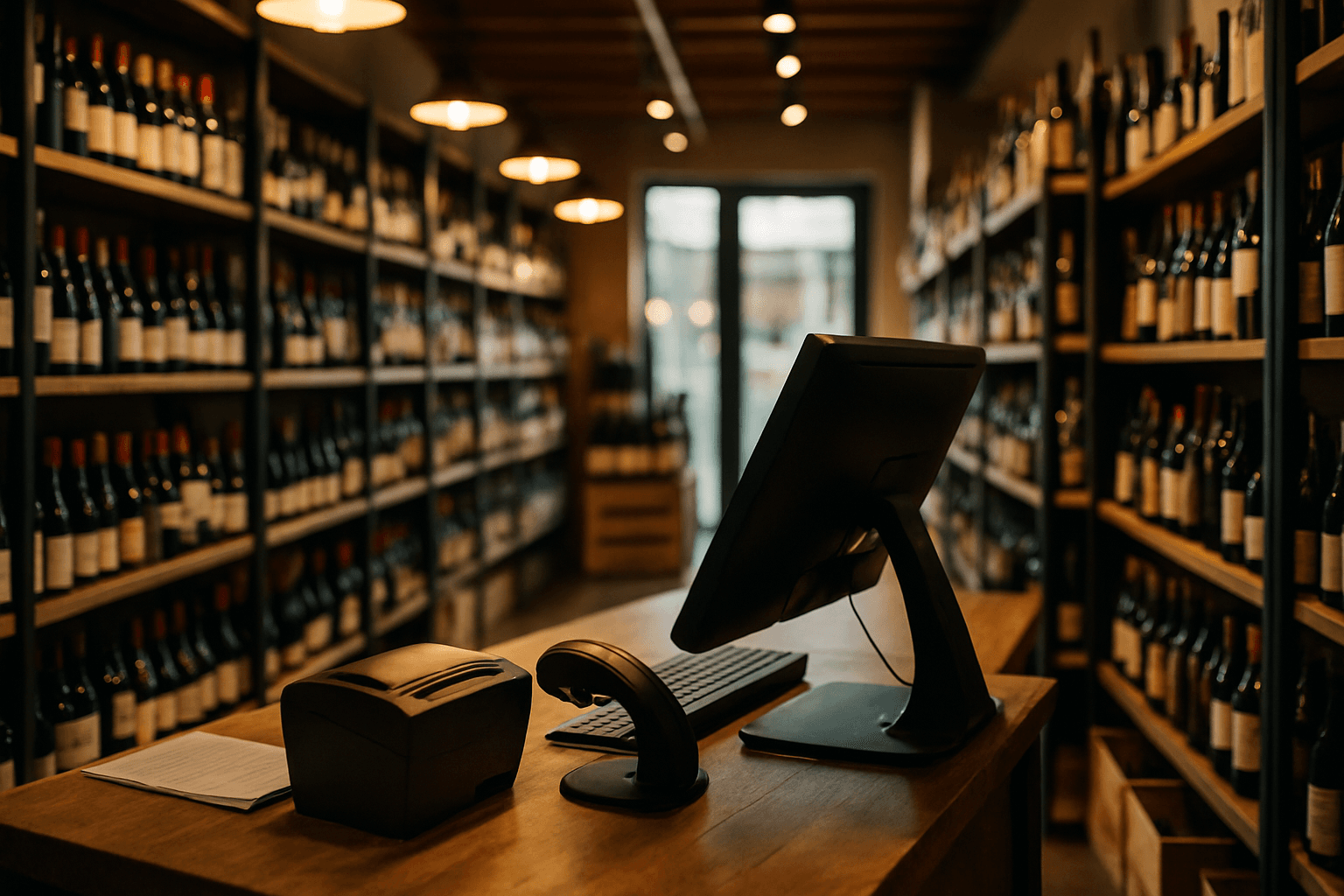
FTC AI guidelines could impact alcohol retail soon. Learn how AI customer interactions in liquor stores face growing regulatory scrutiny and how to stay compliant.
- No, the FTC Hasn't Dropped New AI Rules on Liquor Stores, But Here's Why You Should Pay Attention Anyway
- How AI Is Already Changing the Liquor Store Experience
- The FTC's Core Rules Already Apply to Your AI Tools
- The Regulatory Patchwork Problem: State-Level Compliance Gets Complicated
- What the FTC's Recent Enforcement Actions Tell Us About Where This Is Headed
Picture this: a customer walks into your store at 7 PM on a Friday, asks your AI chatbot for a bourbon recommendation, and the bot confidently replies that a particular bottle "took gold at the San Francisco World Spirits Competition." Except it didn't. That confident, helpful, completely fabricated claim just became your legal problem, and the FTC is paying closer attention to exactly these kinds of AI customer interactions than most liquor store owners realize.
The intersection of artificial intelligence and alcohol retail is no longer a future-tense conversation. AI-powered shopping assistants, recommendation engines, and chatbots are already reshaping how customers discover and buy spirits, wine, and beer. And while there aren't formal FTC AI guidelines for alcohol retail on the books today, the agency's recent enforcement actions make one thing unmistakably clear: the regulatory framework is tightening from multiple directions at once, and liquor stores sit right in the middle.
Whether you're an independent shop owner who just added a chatbot to your website or a multi-location operator running AI-driven e-commerce across state lines, this is the moment to understand what's happening, what's coming, and what you should be doing right now to protect your business. Let's break it down.
No, the FTC Hasn't Dropped New AI Rules on Liquor Stores, But Here's Why You Should Pay Attention Anyway
Let's get this out of the way first: there are no specific FTC rules targeting AI in alcohol retail sitting on the books right now. Nobody's knocking on your door with a compliance checklist. But if you're using, or planning to use, any AI-powered tools to interact with customers, the regulatory winds are shifting fast enough that waiting to pay attention could cost you.
What's Actually Happening with the FTC and AI
The FTC has made it clear that AI customer interactions are on its radar across every retail sector. The agency issued orders to seven companies providing consumer-facing AI chatbots as part of a broad investigation into how these tools operate, what data they collect, and whether they mislead consumers. That's not a gentle inquiry, that's the FTC building a case library.
Why Alcohol Retail Is Squarely in the Crosshairs
Here's where it gets personal for liquor store owners. In December 2024, the FTC sued alcohol distributor Southern Glazer's for price discrimination, dusting off the Robinson-Patman Act, a law that hadn't been actively enforced in decades . That tells you something important: the FTC and the alcohol industry are reconnecting in a big way.
Meanwhile, in February 2024, the FTC sued to block the $24.6 billion Kroger/Albertsons merger , showing the agency has no problem swinging at major retail players.
Now connect the dots. The FTC is actively investigating AI-powered customer tools. The FTC is actively pursuing enforcement in the alcohol industry. AI in alcohol retail sits right at the intersection of both priorities.
You don't need to panic. But you absolutely need to start paying attention, because by the time formal rules arrive, the enforcement precedents will already be set.
How AI Is Already Changing the Liquor Store Experience
Before we dive into the regulatory weeds any further, it's worth understanding just how deeply AI has already embedded itself in the day-to-day liquor store experience.
Walk into a well-run liquor store today and you might not realize how much artificial intelligence is already working behind the scenes, and increasingly, right at the front counter.
10 AI prompts liquor store owners can use right now to boost customer engagement, optimize inventory, and drive more ...
AI Shopping Assistants and Recommendation Engines
Platforms like City Hive are giving independent liquor stores capabilities that used to be reserved for major e-commerce players. Customers can browse real-time inventory, get personalized wine suggestions based on taste preferences, and complete local purchases, all without picking up the phone.
Recommendation engines are becoming table stakes, too. These tools suggest a bold Malbec for your steak dinner, nudge you toward a bourbon that matches your last three purchases, or pair a sparkling wine with a celebration you mentioned in chat. It's like having your most knowledgeable floor employee available 24/7, one who never forgets a customer's preferences.
From Chatbots to Checkout: Where AI Touches the Customer
AI chatbots now handle questions about product availability, tasting notes, and gift recommendations. They're supplementing (and sometimes replacing) the in-store expertise customers rely on.
For store owners, the appeal is obvious: efficiency, consistency, and better customer experiences. But here's the part that deserves your attention, every AI-generated recommendation or product description is technically a marketing claim. And marketing claims in alcohol retail fall squarely under existing FTC authority.
Regulators are watching this space closely. AI customer interactions in liquor stores aren't flying under the radar, and the growing state-level regulatory patchwork (more on that below) means compliance is getting more complex, not less.
The FTC's Core Rules Already Apply to Your AI Tools
Do regulators even need new laws to hold you accountable for what your AI says? Short answer, no, they don't. And that catches a lot of store owners off guard.
Truthful, Not Misleading, and Backed by Evidence
The FTC's foundational mandate is straightforward: advertising and product claims must be truthful, not misleading, and substantiated by evidence. That mandate doesn't get a carve-out just because a chatbot said it instead of a person. The principle is simple: if a human employee couldn't legally say it, neither can your software.
This is why the absence of specific FTC AI guidelines for alcohol retail doesn't mean you're in the clear. The existing rules already cover the vast majority of what your AI tools are doing.
How AI Recommendations Could Cross the Line
This is where things get risky fast. If your AI chatbot tells a customer a bourbon "won first place at the San Francisco World Spirits Competition" and it didn't, that's a deceptive claim, full stop. The FTC doesn't care that a machine generated it. You're still on the hook.
AI hallucinations, those confidently stated falsehoods that large language models are notorious for, are a real liability. A recommendation engine that fabricates tasting notes, invents awards, or misrepresents a whiskey's origin could expose your store to regulatory action.
Learn how to build a wine education kiosk using RAG AI to boost customer confidence and sales. Step-by-step guide for...
And it's not just the FTC watching. The TTB has published guidance on AI-generated imagery in alcohol advertising , making clear that AI-created images must not misrepresent a product's appearance, color, or characteristics. When multiple federal agencies start drawing lines around the same technology, that's your signal to pay attention.
The Regulatory Patchwork Problem: State-Level Compliance Gets Complicated
Federal rules are one thing. But if you operate across state lines, or sell online to customers in multiple states, the compliance picture gets significantly messier.
50 States, 50 Sets of Rules
Alcohol is already one of the most heavily regulated retail categories in America. Every state has its own licensing requirements, shipping restrictions, and advertising rules. Now add AI compliance on top of that stack, and multi-state operations get genuinely complicated.
The DOJ flagged this exact issue in September 2025 comments , noting that inconsistent state regulations impose duplicative costs on businesses, a problem that compounds significantly when AI tools operate across state lines.
AI Tools That Work in One State May Violate Laws in Another
Here's the practical reality: an AI chatbot handling customer interactions at your liquor store in California might be perfectly compliant there but violate advertising or commerce rules in Texas or Pennsylvania. AI compliance in alcohol retail isn't a "set it and forget it" situation.
If you're operating in multiple states or selling online across state lines, you need to audit your AI tools against each jurisdiction's rules, not just federal guidelines. The compliance burden is real, and it's growing.
What the FTC's Recent Enforcement Actions Tell Us About Where This Is Headed
If all of this feels theoretical, the FTC's recent enforcement track record should make it very concrete. Actions speak louder than press releases.
Southern Glazer's and the Return of Aggressive Alcohol Industry Enforcement
The Southern Glazer's lawsuit is the headline story here. When the FTC revives a dormant legal tool like the Robinson-Patman Act specifically for the alcohol industry, it signals a new era of enforcement. Independent liquor store owners who've felt squeezed by big distributors should take note, but so should anyone deploying AI pricing tools that could inadvertently create discriminatory pricing patterns.
The Broader Retail Crackdown
The Kroger/Albertsons merger challenge, the orders to AI chatbot companies, the Southern Glazer's action, taken together, these paint a clear picture. The FTC is simultaneously ramping up AI investigations and alcohol industry enforcement. If your store uses AI-powered customer tools, you're operating at the intersection of two active enforcement priorities.
Some companies are already building compliance-focused frameworks specifically for AI-driven alcohol e-commerce, recognizing that this space demands specialized solutions, not generic tech. Smart operators should be getting ahead of this curve now.
Learn how liquor store owners can use AI early warning systems to manage supplier financial distress and protect thei...
A Practical Compliance Checklist for Liquor Store Owners Using AI
Enough about the problems. Here's a practical roadmap you can start working through this week.
Audit Your AI's Output, Regularly
Play customer. Ask your AI tools the same questions shoppers would: "What awards has this bourbon won?" "Is this wine organic?" "Where was this tequila distilled?" Check for hallucinated awards, fabricated tasting notes, inaccurate descriptions, and misleading health claims. If your AI says it, you need to prove it with real evidence. Make this a monthly habit, because your AI tools are only as trustworthy as their last audit.
Document Everything and Keep a Human in the Loop
Maintain a human review layer for all AI-generated marketing, chatbot scripts, and product recommendations, especially claims about origin, ratings, or health benefits. Document your compliance processes thoroughly: what tools you use, how you review output, what safeguards exist. That paper trail matters when regulators come knocking.
Stay Current on FTC and TTB Developments
With enforcement ramping up and a growing state-level regulatory patchwork adding complexity, quarterly monitoring isn't optional, it's essential. Subscribe to industry compliance newsletters, bookmark the FTC and TTB announcement pages, and seriously consider consulting an attorney who understands both alcohol regulations and emerging AI law.
The Bottom Line: Don't Wait for the Rules to Catch Up
Specific FTC AI guidelines for alcohol retail don't exist yet, but every signal says they're coming. The enforcement infrastructure is already in place, and the agency is clearly watching retail and alcohol with both eyes open.
The smartest move? Treat AI customer interactions at your liquor store with the same compliance rigor as any advertising claim. The existing FTC rules already apply to most of what your AI tools are doing, recommendations, promotions, product descriptions.
AI compliance in alcohol retail isn't about fear. AI is a fantastic tool for improving customer experience and running a leaner operation. Just make sure your digital bartender isn't making promises your real inventory can't keep.
Start today. Run an audit on your AI tools this week. Document what they're telling your customers. Put a human review process in place. And if you're not sure where your compliance stands, talk to someone who does, because in this regulatory environment, the cost of getting ahead is a whole lot cheaper than the cost of getting caught behind.
Have questions about AI compliance for your liquor store? Drop them in the comments or reach out to the LiquorChat team, we're here to help you navigate this stuff so you can get back to what you do best: helping people find great drinks.