The Hidden Cost of Unanswered Customer Questions: Why Every Liquor Store Needs an AI Assistant
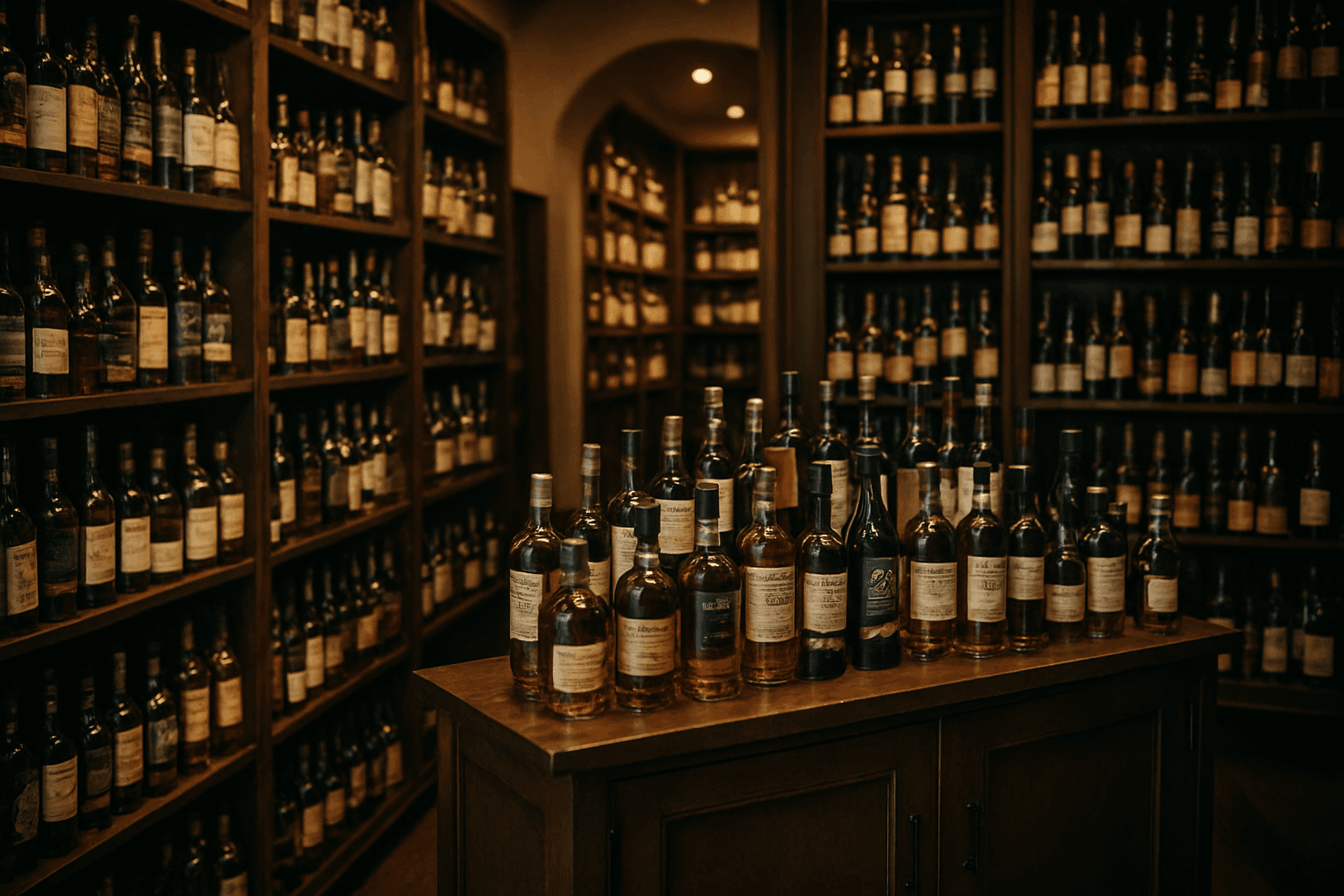
Discover why an AI assistant for liquor stores is essential. Learn how unanswered questions cost you sales and how AI chatbots transform customer experience.
- That Question You Never Heard? It Just Walked Out the Door
- The Real Math Behind Missed Customer Questions
- Why Generic Chatbots Don't Cut It for Liquor Retail
- The AI Revolution Is Already Here, And It's Industry-Specific
- What a Purpose-Built AI Assistant Actually Does for Your Store
Every liquor store owner knows the customers who walk through the door. You learn their names, remember their go-to bourbon, and tip them off when a limited allocation hits the shelf. But what about the customers who never make it through the door, the ones who had a question at the wrong hour, got silence instead of an answer, and quietly took their business somewhere else? Those invisible losses are the ones that hurt the most, precisely because you never see them coming.
The reality is that today's customers don't wait. They expect answers at 11 PM on a Friday, during your busiest Saturday rush, and on every holiday in between. And increasingly, the stores capturing those sales aren't the ones with the biggest staff or the longest hours, they're the ones with an AI assistant for liquor stores working around the clock. Whether it's confirming stock on an allocated bottle or recommending a wine for dinner, the ability to respond instantly is becoming the difference between a new regular and a missed opportunity.
This isn't about replacing the personal touch that makes your store special. It's about making sure no question goes unanswered, and no sale slips away in silence. Let's break down exactly what unanswered questions are costing you, why generic solutions fall short, and what purpose-built AI can actually do for your bottom line.
That Question You Never Heard? It Just Walked Out the Door
It's 11:23 PM on a Friday. A customer, let's call him Dave, just saw a YouTube review of Blanton's Single Barrel and wants to know if you have it in stock before driving 25 minutes across town. He calls your store. No answer. He checks your website. There's a contact form. He Googles "bourbon near me," finds a competitor with an AI chatbot embedded right on their site, gets his answer in eight seconds, and places a curbside pickup order.
You never even knew Dave existed. But you just lost him.
The 11 PM Question Nobody's Around to Answer
Here's the uncomfortable truth: most liquor stores still operate with phone numbers, basic contact forms, and business hours that don't match when people actually shop. Even the big players leave gaps. Total Wine & More, the largest specialty retailer in the country, offers phone support from 9 AM to midnight ET. That still leaves hours of dead air every single night. For independent stores with smaller teams, the window of silence is even wider.
Meanwhile, consumer behavior is shifting fast. According to Adobe's recent retail data, more than 50% of consumers are now expected to use AI tools during their shopping experience. Your customers aren't just open to AI-powered shopping, they're starting to expect it.
What "We'll Get Back to You" Really Costs
Visit ABC Fine Wine & Spirits' contact page and you'll find a familiar promise: "We'll research the answer and contact you as soon as possible." It's polite. It's professional. And it's a delay your competitors are learning to exploit.
Every unanswered question is a potential lost sale. A customer who doesn't come back. A missed chance to build the kind of loyalty that turns a one-time buyer into a regular. Those costs don't show up on any P&L statement, they accumulate silently, one Dave at a time.
The customer experience doesn't end when the lights go off. The question is whether anyone's there to keep the conversation going.
The Real Math Behind Missed Customer Questions
Let's talk numbers, because this problem is bigger than it feels in the moment.
7 easy strategies for liquor stores to boost sales during soccer season using Abstract Ice's new ball-shaped ice. Sea...
It's Not Just One Lost Sale, It's a Chain Reaction
When a customer texts your store asking if you carry a specific mezcal and doesn't hear back for three hours, you didn't just lose a $45 bottle sale. You lost the $30 mixer they would've grabbed, the repeat visit next weekend, and the recommendation they would've given their neighbor. Multiply that by even a handful of missed questions per week, and you're looking at thousands in annual revenue quietly walking out the door, or more accurately, never walking in.
Then there's the staff time cost. Your best employee spending 20 minutes returning yesterday's voicemails isn't stocking shelves, helping in-store customers, or making hand-sell recommendations that actually move premium product. It's a lose-lose.
The Questions You Don't Even Know You're Missing
Think about what customers actually ask: "Do you have Blanton's in stock?" "What wine pairs with salmon?" "How much bourbon do I need for a 50-person wedding?" "Are you open on Memorial Day?" "Can you deliver to my zip code?"
These aren't complicated questions. But they come at 10 PM on a Tuesday, during your Saturday rush, or on a holiday when you're short-staffed. For independent stores especially, the pain is acute, you can't staff a call center, but your customers still expect the same responsiveness they get from national chains. An AI assistant for liquor stores bridges that gap, turning every missed question into a completed sale instead of a lost opportunity.
Why Generic Chatbots Don't Cut It for Liquor Retail
Before you rush to add a chatbot to your website, there's a critical distinction to understand. You can't just slap a generic customer service bot on your liquor store's site and call it a day. Alcohol retail operates in a regulatory environment that most off-the-shelf AI tools weren't built to handle. And when you get it wrong, the consequences go way beyond a bad Yelp review.
The Compliance Minefield: Age Verification and Local Regulations
In 2025, Marathon County reported just a 68.2% compliance rate on underage alcohol sales checks. That means nearly one in three transactions failed verification protocols, and that's with human employees at the register. Now imagine turning customer interactions over to a chatbot that doesn't understand age-gating, state-specific shipping laws, or dry county restrictions.
A liquor-specific AI needs compliance baked into its DNA. Local purchasing regulations vary wildly by state, county, and even city. Delivery zones, purchase limits, Sunday sales restrictions, a generic bot doesn't know your zip code from a cocktail recipe.
Inventory Complexity That Off-the-Shelf Bots Can't Handle
Your average liquor store manages thousands of SKUs across wine, spirits, beer, and mixers, with constantly rotating seasonal stock, limited allocations, and distributor availability that changes weekly. Generic retail bots built for t-shirts and electronics simply can't track that complexity.
This is exactly why purpose-built solutions are emerging. City Hive's Tipsy Bot, launched in September 2025 as the first alcohol-industry-specific AI chatbot, is designed to understand allocated bourbon drops, vintage availability, and local inventory in ways that a one-size-fits-all tool never could.
The AI Revolution Is Already Here, And It's Industry-Specific
This isn't a "coming soon" story. Industry-specific AI solutions are already live, already working, and already giving early adopters a measurable edge.
Discover 7 AI inventory management strategies for liquor stores to cut waste, automate reordering, and boost profits ...
From Tipsy Bot to Smart Ordering: What's Happening Right Now
City Hive's Tipsy Bot doesn't just answer questions about tannin levels or suggest a bourbon for your dad's birthday, it actually completes local purchases. That's a meaningful leap from generic chatbots that spit out canned responses and leave customers to figure out the rest.
Meanwhile, solutions like Holiq AI are tackling the missed-call problem head-on, offering 24/7 AI-powered call answering that checks inventory in real time, no hold music, no voicemail black holes.
And then there's LiquorChat, the next evolution. Built by beverage industry experts, it's a complete AI-powered smart ordering platform: chat-based ordering, delivery zone management, seamless checkout. It's not just a chatbot. It's an operating system for modern liquor retail.
The Shift from Piecemeal Tools to Integrated AI Systems
The retail AI trend is moving toward cohesive, integrated systems, not five disconnected tools duct-taped together. The customer experience needs to feel seamless from first question to final checkout. Stores adopting integrated AI now aren't experimenting. They're competing. Everyone else is about to start playing catch-up.
What a Purpose-Built AI Assistant Actually Does for Your Store
Let's get practical. Forget the buzzwords, here's what this actually looks like in your day-to-day operations.
24/7 Customer Support Without 24/7 Staffing Costs
It's 2 AM. Someone's planning a wedding and Googling "how much tequila do I need for 50 guests." Even the biggest retailers have gone dark by now. An AI chatbot fills that gap without adding a single payroll hour.
And this isn't about replacing your team. It's about freeing them up to do what humans do best, building relationships, hand-selling that allocated bourbon, running Saturday tastings, while AI handles the repetitive "do you carry Clase Azul?" inquiries that eat up their day.
Smarter Recommendations That Actually Drive Sales
This goes way beyond "customers also bought." A purpose-built AI assistant for liquor stores factors in taste preferences, budget, occasion, and what's actually in stock right now. A customer asking for a wine pairing for their dinner party gets a specific bottle recommendation, one you can actually sell them today. Not a generic suggestion for "a nice Pinot Noir" that you sold out of last Tuesday.
Turning Browsers into Buyers with Chat-Based Ordering
Here's where it gets exciting. The customer asks a question, gets a knowledgeable answer, and completes the purchase, all within the same conversation. No navigating a clunky e-commerce site. No abandoned carts. Ask, learn, buy.
The AI even manages delivery zones automatically, confirming whether the customer's address is in range and providing timing estimates without your staff touching a thing.
Discover 7 AI-powered customer engagement tactics that transform cross-selling for liquor stores. Practical strategie...
But Will My Customers Actually Use It?
You're thinking: "My customers want to talk to a real person, not a robot." Fair enough. The personal touch is what makes independent liquor stores special, and nothing should replace that.
But consider this: your customers already text, use messaging apps, and ask Alexa what the weather's like. A chat-based assistant isn't a learning curve, it's familiar territory. And with more than half of consumers already embracing AI tools in their shopping habits, this isn't early-adopter territory. It's mainstream.
The sweet spot is simple: AI handles the routine questions, "Do you carry Blanton's?" "What pairs with salmon?" "Are you open Sunday?", while your staff invests energy in the high-value personal interactions that actually build loyalty. Your regulars still get the relationship. Your after-hours browsers still get an answer. Everybody wins.
Stop Leaving Money on the Table: Getting Started
So you're convinced unanswered questions are costing you sales. Now what? Not all AI is created equal, and grabbing a generic retail chatbot is like stocking your shelves with nothing but vodka. Sure, it technically counts, but you're missing the point.
What to Look for in a Liquor-Specific AI Solution
Before you sign up for anything, run through this checklist:
- Is it built for the alcohol industry? Generic bots don't know the difference between a single barrel and a small batch. Look for solutions designed specifically for beverage retail.
- Does it handle compliance and age verification? Regulatory awareness isn't optional. Your AI needs to navigate age-gating, state shipping laws, and local restrictions flawlessly.
- Can it access your real-time inventory? Nothing kills a sale faster than recommending something that's out of stock.
- Does it support ordering and delivery? The best solutions let customers go from question to purchase without leaving the conversation.
- Does it integrate with your existing POS and e-commerce systems? You don't need another disconnected tool, you need something that fits into how you already operate.
The Bottom Line: Answer the Question or Lose the Customer
Remember Dave? With the right AI assistant for liquor stores, he gets an instant, knowledgeable answer at 11:23 PM, places an order for that Blanton's, and becomes a regular. Without it? He's someone else's regular by morning.
Your Next Customer Is Already Asking a Question. Make Sure Someone Answers.
Every hour your store spends in silence is an hour your competitors spend converting. The Daves of the world aren't going to wait until morning, they're going to buy from whoever answers first. And in 2025, the smartest answer doesn't have to come from a person behind the counter. It just has to come from someone who knows your inventory, understands your customers, and never takes a night off.
An AI assistant for liquor stores isn't about chasing trends or replacing what makes your shop great. It's about making sure the expertise, the selection, and the experience you've built are available to every customer, at every hour, whether they walk through your door or land on your website at midnight.
The technology is here. The customers are ready. The only question is whether you'll be the store that answers, or the one that lets the call go to voicemail.
Ready to turn your unanswered questions into completed sales? Explore how LiquorChat's AI-powered platform can transform your liquor store's customer experience, request a demo today and stop leaving money on the table.