5 Ways Diageo's Mini Canned Cocktails Signal a Ready-Made Format Shift US Retailers Can Monetize With AI Category Management
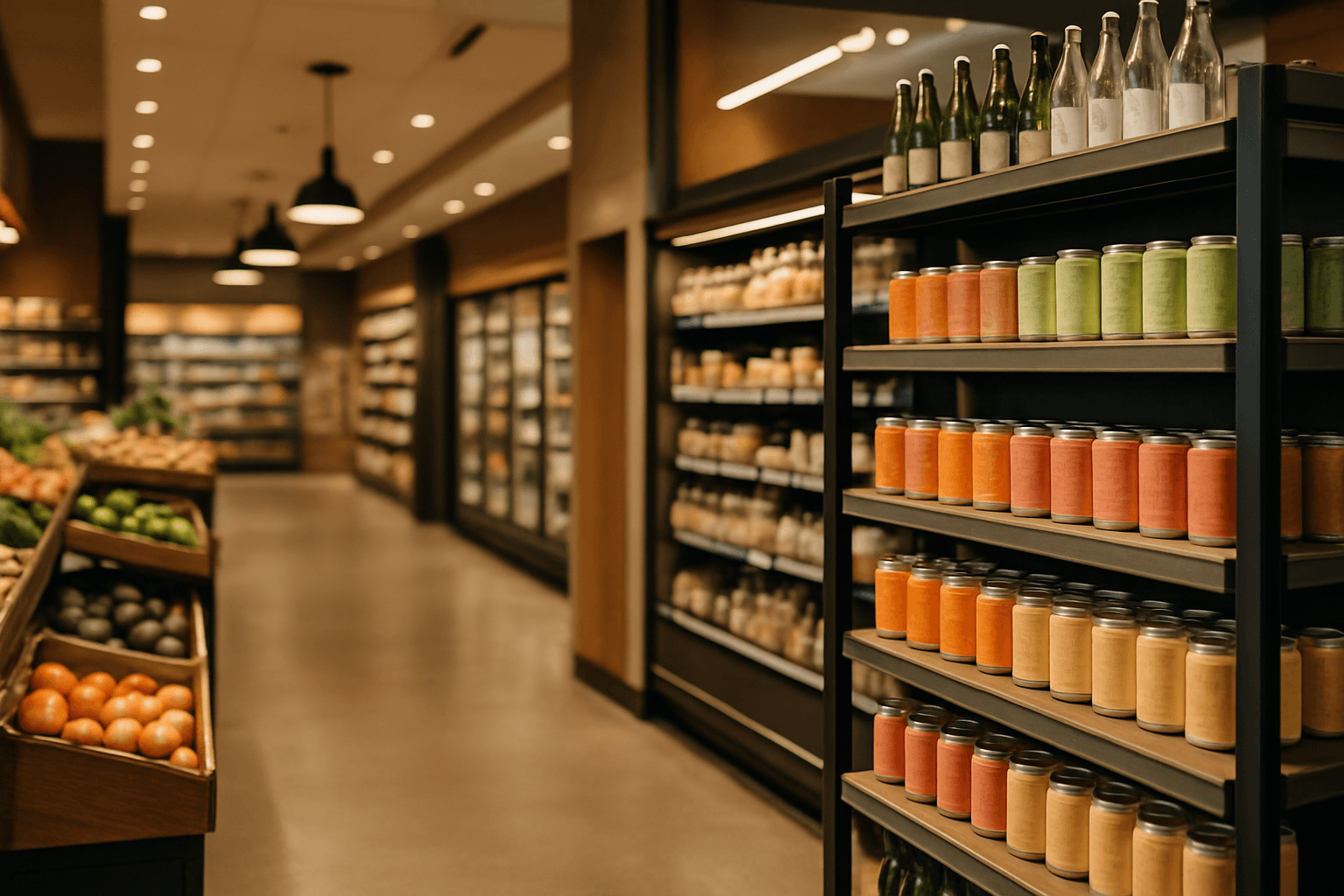
Discover how Diageo's mini canned cocktails are reshaping beverage retail. Learn 5 AI category management strategies to capitalize on RTD growth.
- TL;DR
- 1. Why Diageo's Mini Cans Are More Than a Product Launch, They're a Market Signal
- 2. Spirit-Based RTDs Are Winning While Wine-Based Alternatives Flatline
- 3. The 14.0% CAGR Projection Means This Trend Has Serious Runway
- 4. AI Category Management Turns RTD Shelf Space Into Predictable Revenue Streams
If you're running a liquor store and haven't paid attention to canned cocktails yet, Diageo's recent mini canned cocktail expansion is your wake-up call. This isn't a niche trend, it's a structural shift in how consumers buy adult beverages. Below, you'll find five AI-powered strategies to turn the RTD boom into predictable revenue for your store.
Nevada liquor retail expansion signals major shifts for US beverage industry trends. Discover 8 strategic implication...
TL;DR
- Diageo's mini canned cocktail expansion reflects a 104% RTD growth surge retailers can no longer ignore
- Spirit-based RTDs outpaced wine-based alternatives by 8 percentage points in 2022, signaling category winners
- AI category management tools help liquor stores optimize shelf space, inventory, and pricing for maximum RTD revenue
- The US RTD market's projected 14.0% CAGR through 2033 creates significant opportunity for strategic retailers
- Convenience, health trends, and flavor innovation are driving consumer demand that smart retailers can capture today
1. Why Diageo's Mini Cans Are More Than a Product Launch, They're a Market Signal
Diageo's move into mini canned cocktails validates a format shift already reshaping US retail shelves. The RTD cocktail industry has experienced 104% growth over the past two years, according to BevSource ↗, making this segment impossible to ignore. Consumer demand for convenience, variety, and innovation continues driving explosive RTD beverage market growth, as Forbes ↗ reports. Spirit-based RTD volumes grew +5% versus wine-based products' decline in 2022, per OHBev ↗, showing exactly where retailer shelf space should flow. For liquor retailers watching beverage industry trends, this isn't a temporary blip, it's a structural change in how consumers buy and consume adult beverages.
2. Spirit-Based RTDs Are Winning While Wine-Based Alternatives Flatline
Spirit-based RTDs are pulling ahead while wine-based alternatives lose ground. Spirit-based RTD volumes grew +5% versus -3% for wine-based options in 2022 (Alcohol Marketing Agency ↗), creating an 8-point spread that signals where consumer demand is heading. Mini canned cocktails from major spirits brands tap directly into this spirits-forward preference. For retailers, this means prioritizing spirit-based RTD shelf placement and inventory allocation. With broader beverage industry trends showing strong momentum toward convenience and variety (Forbes ↗), stocking what consumers already prefer is a straightforward win.
3. The 14.0% CAGR Projection Means This Trend Has Serious Runway
Retailers who act now on the RTD opportunity aren't chasing a fad, they're positioning for years of growth. The US ready-to-drink cocktails market is expected to grow at a CAGR of 14.0% from 2026 to 2033, according to Grand View Research ↗. Early-mover stores that optimize their canned cocktail sections today will build category expertise, supplier relationships, and merchandising instincts that compound year after year. Mini formats like Diageo's new line give retailers a dual advantage: they're grab-and-go impulse items at checkout and thoughtful additions to planned shopping trips. In the competitive beverage industry trends of the coming years, that shelf presence matters.
Let our team show you what's possible.
our team specializes in digital marketing strategies that drive real results. Let us show you what's possible.
Schedule a Call4. AI Category Management Turns RTD Shelf Space Into Predictable Revenue Streams
Most liquor stores still manage their RTD sections the same way they did a decade ago, gut instinct and guesswork. AI category management changes that entirely by processing real-time sales data to decide which SKUs get prime shelf space and which underperformers get cut. Instead of blanket resets, the system adjusts allocation based on regional preferences, seasonal demand swings, and price elasticity, ensuring a store in Miami stocks differently than one in Denver. With the US RTD cocktails market expected to grow at 14.0% CAGR from 2026 to 2033 (Grand View Research ↗), the stakes for getting shelf allocation right are higher than ever. AI-powered demand forecasting also helps stores stock trending formats without tying up capital in slow-moving inventory, turning shelf space into reliable revenue.
5. Health, Wellness, and Flavor Innovation Are Reshaping Consumer Expectations
Wine-based RTD options are declining while spirit-based RTD volumes grew +5% in 2022, signaling where consumer preferences are heading. Use AI category management to identify which health-forward and better-for-you RTD products are gaining traction in your specific market before they peak. The US ready-to-drink cocktails market is expected to grow at a CAGR of 14.0% from 2026 to 2033, according to Grand View Research ↗, so building a data-driven approach to these evolving beverage industry trends now gives you a competitive edge.
6. Snackification and Brand Storytelling Create Cross-Selling Opportunities
Pair mini canned cocktails near complementary snacks to capture cross-sell revenue. The RTD cocktail industry's 104% growth rate over two years (BevSource ↗) reflects shifting beverage industry trends where convenience drives purchasing. These single-serve formats naturally align with grab-and-go shoppers seeking quick pairings, positioning chips, nuts, or pretzels alongside canned cocktails creates impulse buying moments AI category management can identify and optimize. Beyond positioning, brand storytelling amplifies sales; producers increasingly market their craft origins and flavor innovation, appealing to consumers wanting authentic connections with their drinks. AI tools can surface which narratives resonate in your specific market, letting you highlight the stories that convert browsers into buyers.
7. Implementing AI Category Management: A Practical Roadmap for Liquor Stores
Connect your point-of-sale system to an AI category management platform first, this is the foundation for everything else. With your sales data consolidated, prioritize high-growth subcategories like spirit-based mini canned cocktails for initial optimization. The RTD cocktail industry has seen 104% growth over two years (BevSource ↗), making this the ideal testing ground for AI-driven recommendations. Track category revenue per linear foot, inventory turnover, and customer basket size to measure success. As broader beverage industry trends push toward convenience and innovation, AI helps you stock what sells, reduce waste, and increase margins, turning raw data into decisions that impact your bottom line.
FAQ: Your RTD Category Management Questions Answered
Is the RTD trend expected to continue?
Yes. RTD cocktails remain a top beverage industry trend for 2026, with the US ready-to-drink cocktails market projected to grow at a CAGR of 14.0% from 2026 to 2033.
Which RTD subcategory is performing best?
Spirit-based RTD volumes grew +5% in 2022 while wine-based options declined -3%, highlighting consumer preference for spirit-forward convenience.
Can small liquor stores use AI category management?
Absolutely. Even single-location stores can implement AI category management through affordable SaaS platforms that analyze sales data, optimize inventory, and identify cross-sell opportunities.
What occasions do mini canned cocktails serve?
Mini canned cocktails serve multiple consumer occasions, from outdoor activities to social gatherings and low-ABV moderation.
Why should retailers act now?
The 104% growth rate for RTD cocktails over two years demonstrates this isn't a passing fad, it's a permanent shelf space shift retailers can capitalize on with the right category management tools.
The RTD category isn't going away, it's accelerating, and your shelf space decisions today determine your revenue trajectory. With the US RTD market projected to grow at 14.0% CAGR through 2033 (Grand View Research ↗), the next several years represent significant opportunity for early movers. AI category management takes the guesswork out of which products to stock, where to place them, and how to price for maximum margin. Start with your point-of-sale data, prioritize spirit-based mini canned cocktails, and let the numbers guide your resets.
Ready to put your RTD shelf space on autopilot? Book a demo with a LiquorChat ↗ AI category management partner and see exactly which SKUs should stay, which should go, and where your next revenue spike is hiding.
Frequently Asked Questions
Why are mini canned cocktails becoming so popular with US consumers?
Mini canned cocktails combine the convenience of ready-to-drink formats with portion control and portability. The RTD cocktail industry has grown 104% over the past two years, driven by consumer demand for convenience, variety, and innovation. Major spirits brands like Diageo are responding with premium mini canned options that align with the health and wellness trends shaping the beverage industry in 2026 (Beverage Daily ↗).
How much is the RTD cocktails market expected to grow?
The US ready-to-drink cocktails market is expected to grow at a compound annual growth rate (CAGR) of 14.0% from 2026 to 2033, according to Grand View Research ↗. This projected growth represents significant opportunity for retailers who position themselves strategically in this category today.
What role does AI play in category management for liquor stores?
AI category management helps liquor stores optimize shelf space allocation, inventory forecasting, and pricing strategies using real-time sales data. Rather than relying on gut instinct, retailers can use AI tools to identify which RTD subcategories perform best in their specific market and adjust procurement accordingly.
Are spirit-based RTDs outperforming other RTD categories?
Yes. Spirit-based RTD volumes grew +5% in 2022 while wine-based RTDs declined -3%, according to Alcohol Marketing Agency ↗ data. This 8-point spread indicates that spirits-forward ready-to-drink products are capturing consumer preference, making them priority items for retail category planning.
Can small, independent liquor stores benefit from AI category management?
Absolutely. Many AI category management platforms are designed specifically for independent retailers with affordable subscription pricing. These tools work especially well for stores in the 2,000-5,000 square foot range that want to compete more effectively against larger chains without adding headcount.
What trends are shaping the beverage industry in 2026?
Health and wellness, functionality, flavor exploration, and sustainability are the major trends influencing the beverage industry in 2026, according to Beverage Daily ↗. Mini canned cocktails align with several of these trends, offering portion control, cleaner ingredients, and reduced packaging waste compared to traditional formats.
How do mini canned cocktails create cross-selling opportunities?
Mini canned cocktails naturally pair with grab-and-go snacks and outdoor activities, creating natural cross-sell opportunities. The snackification trend is driving consumers to seek convenient food-and-beverage combinations. AI category management tools can identify which snack pairings perform best in your specific store and optimize endcap or checkout placement accordingly.