7 AI Shelf Intelligence Moves Every Liquor Retailer Should Make After Lucas Bols Launched Its Direct-to-Home Bar Platform
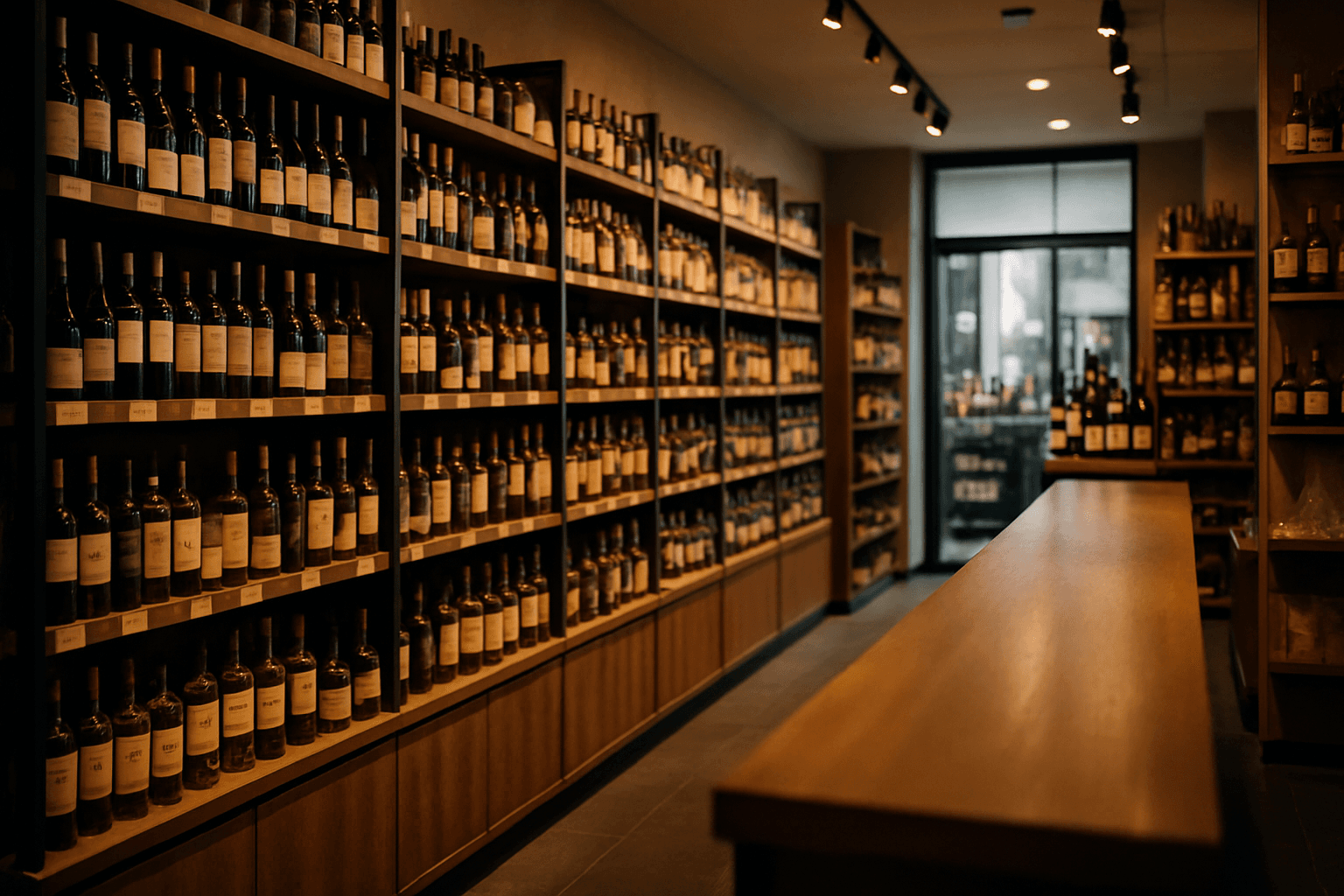
Discover 7 AI-powered customer engagement strategies for liquor retailers. Learn how AI recommendation engines and retail automation boost sales.
- TL;DR
- 1. Deploy AI-Powered Customer Engagement for Smarter Inventory Reordering
- 2. Use AI-Powered Customer Engagement to Deliver Personalized Product Recommendations
- 3. Build Smart Loyalty Programs With AI-Powered Customer Engagement That Rewards Buying Behavior
- 4. Configure Shelves Dynamically Using AI-Powered Customer Engagement Insights
If you run a liquor store and want to stay competitive as more platforms move into direct-to-home sales, these seven AI-powered strategies will help you win more customers, keep them coming back, and run your shop more efficiently.
8 AI-powered customer engagement tactics liquor stores can deploy in 30 seconds to boost sales this summer. Simple, a...
TL;DR
- AI recommendation engines are reshaping liquor retail by personalizing shelf layouts and product discovery for every shopper
- Automated loyalty programs powered by AI can now deliver targeted promotions based on real-time buying behavior
- Predictive inventory management with AI helps reduce stock overages while keeping bestsellers in stock
- 24/7 AI customer engagement tools handle order support, reorders, and product questions without staff overhead
- AI-generated marketing content lets beverage retailers scale ads and social posts without a creative team
1. Deploy AI-Powered Customer Engagement for Smarter Inventory Reordering
Stop guessing which bottles to reorder, AI analyzes your sales velocity, seasonal patterns, and supplier lead times to automatically trigger replenishment orders. This eliminates both stockouts on your bestsellers and overstock on slow movers, freeing up shelf space for products that actually move. Connect your reorder automation directly to your POS system to create a closed feedback loop that learns from every transaction. One retailer implementing AI-driven inventory management reduced stock overages by 18% while improving availability on their top sellers (liquorshop.ai ↗). Your team spends less time on manual purchasing tasks and more time engaging customers on the floor.
2. Use AI-Powered Customer Engagement to Deliver Personalized Product Recommendations
AI recommendation engines analyze each customer's purchase history and preferences to surface wines, spirits, and mixers they'll actually enjoy, whether they're browsing your aisles or shopping online. This AI-powered customer engagement approach guides shoppers toward complementary products and new arrivals at exactly the right moment, often increasing basket size without aggressive upselling. The same technology works seamlessly on digital kiosks in your store and across your e-commerce experience, meeting customers wherever they prefer to shop and creating consistent personalized experiences across every touchpoint.
3. Build Smart Loyalty Programs With AI-Powered Customer Engagement That Rewards Buying Behavior
Ditch the generic punch card and let AI handle the heavy lifting of customer loyalty. AI-powered customer engagement tools automatically track each shopper's preferences, purchase frequency, and price sensitivity, then trigger personalized rewards and offers that actually resonate with their buying behavior. Instead of your staff manually managing hundreds of loyalty members, automated segmentation groups customers by drink preferences, occasion type, or spending patterns and delivers relevant promotions at the right moment. This keeps repeat visits flowing without the administrative burden.
Let our team show you what's possible.
our team specializes in digital marketing strategies that drive real results. Let us show you what's possible.
Schedule a Call4. Configure Shelves Dynamically Using AI-Powered Customer Engagement Insights
Your planogram shouldn't be a static document gathering dust in a back office. AI-powered customer engagement tools let you reconfigure shelves based on who's walking through your door, what time they're shopping, and what local demand patterns look like that week. When the system spots a spike in weekend bourbon interest, premium bottles move to eye level. When a new brand launches, AI identifies which customer segments are most likely to try it and positions those SKUs accordingly. Tailored experiences keep shoppers on the floor longer, and that time-on-floor correlates directly with conversion. Even modest layout tweaks driven by AI insights consistently outperform rigid, one-size-fits-all planograms. One retailer using AI-driven inventory and targeted placement reduced stock overages by 18% while increasing repeat customers (liquorshop.ai).
5. Generate Marketing Content at Scale With AI-Powered Customer Engagement Tools
Stop letting content creation eat up your marketing hours. AI-powered customer engagement tools can automatically generate advertisements, social media posts, shelf talkers, and email campaigns, so you maintain a consistent presence without a designer or copywriter on staff. These systems create weekly promotional posts, in-store signage, and email blasts in minutes rather than hours. AI also runs A/B tests on subject lines, offers, and creative variations, so every campaign learns and improves over time. By implementing AI-driven inventory management and targeted marketing, retailers reduced stock overages by 18% according to liquorshop.ai. This frees your team to focus on building customer relationships while AI handles the content volume.
6. Offer 24/7 AI-Powered Customer Engagement Across Every Channel
Your customers don't shop only during business hours, but that's when most support desks are available. AI-powered customer engagement solves this by handling order questions, product inquiries, and reorder requests around the clock, no staff needed for after-hours support. Chatbots and voice assistants can guide shoppers through gift selections, food pairings, and cocktail recipes whenever inspiration strikes. This always-on availability builds trust and keeps your brand top of mind between visits, turning casual browsers into loyal customers. When combined with AI-driven inventory systems that can reduce stock overages by 18% (liquorshop.ai ↗), you're not just responding faster, you're operating smarter across every touchpoint.
7. Unify Customer Data for Predictive AI-Powered Customer Engagement Across Your Business
Start by connecting your point-of-sale data, online behavior, loyalty interactions, and supplier trends into one unified AI-powered view. This consolidated intelligence enables AI-powered customer engagement that predicts what customers need before they ask, identifying lapsing shoppers and automatically triggering win-back campaigns to re-engage them. Retailers using AI to manage inventory alongside targeted marketing have reduced stock overages by 18% while increasing repeat purchases. Fragmented customer data becomes a strategic liability; unified, predictive data becomes your competitive edge for both acquisition and retention.
The liquor retail landscape is shifting fast, and AI isn't a future luxury, it's a present-day advantage. From smarter inventory to personalized loyalty programs and always-on customer support, these seven moves work together to save you time, cut waste, and build stronger relationships with your shoppers.
Ready to put AI to work in your store? Book a demo with LiquorChat today ↗.
Frequently Asked Questions
What is AI-powered customer engagement for liquor stores?
AI-powered customer engagement uses artificial intelligence to personalize interactions with shoppers, from product recommendations and targeted promotions to 24/7 automated support. For liquor retailers, this includes AI recommendation engines that suggest bottles based on purchase history, automated loyalty rewards, predictive inventory insights, and AI-generated marketing content.
How does AI help with liquor store inventory management?
AI analyzes sales trends, seasonal patterns, and supplier lead times to automate reordering decisions. This reduces stock overages while ensuring bestsellers stay on the shelf. AI can also assist with reordering based on real-time sales data and predict which products deserve more or less shelf space.
Do I need technical expertise to use AI in my liquor store?
No. Many AI tools for liquor retail are designed with no-code or low-code interfaces that store owners and managers can operate without IT support. Start with one area, like AI-driven inventory management or a simple recommendation widget on your website, and expand from there as you see results.
How quickly can I see results from AI-powered engagement tools?
Some benefits may appear within weeks, like faster customer response times with AI chatbots and more targeted promotional offers. Larger wins, such as inventory cost reduction and repeat customer growth, often become measurable within a few months of consistent use.
Can small, single-location liquor stores use AI recommendation engines effectively?
Absolutely. AI recommendation engines scale to any size operation. Even a single-store retailer can use AI to personalize in-store shelf configurations, automate email promotions based on buying history, and generate social media content, all without a large marketing budget.
What makes AI-generated marketing content useful for beverage retailers?
AI generates advertisements, social media posts, and printed promotional materials tailored to your inventory and customer base. This lets small retailers produce consistent, high-quality marketing at scale, competing with larger chains, without hiring a creative team.
How does AI improve customer loyalty programs at liquor stores?
AI automates loyalty rewards and promotional offers based on each customer's purchase history and preferences, replacing generic punch cards with personalized incentives. It segments customers automatically and triggers relevant messages, driving repeat visits without manual effort from staff.