9 Beverage Market Intelligence Moves Every US Liquor Retailer Should Make After Circana's 2025 Pacesetters Report
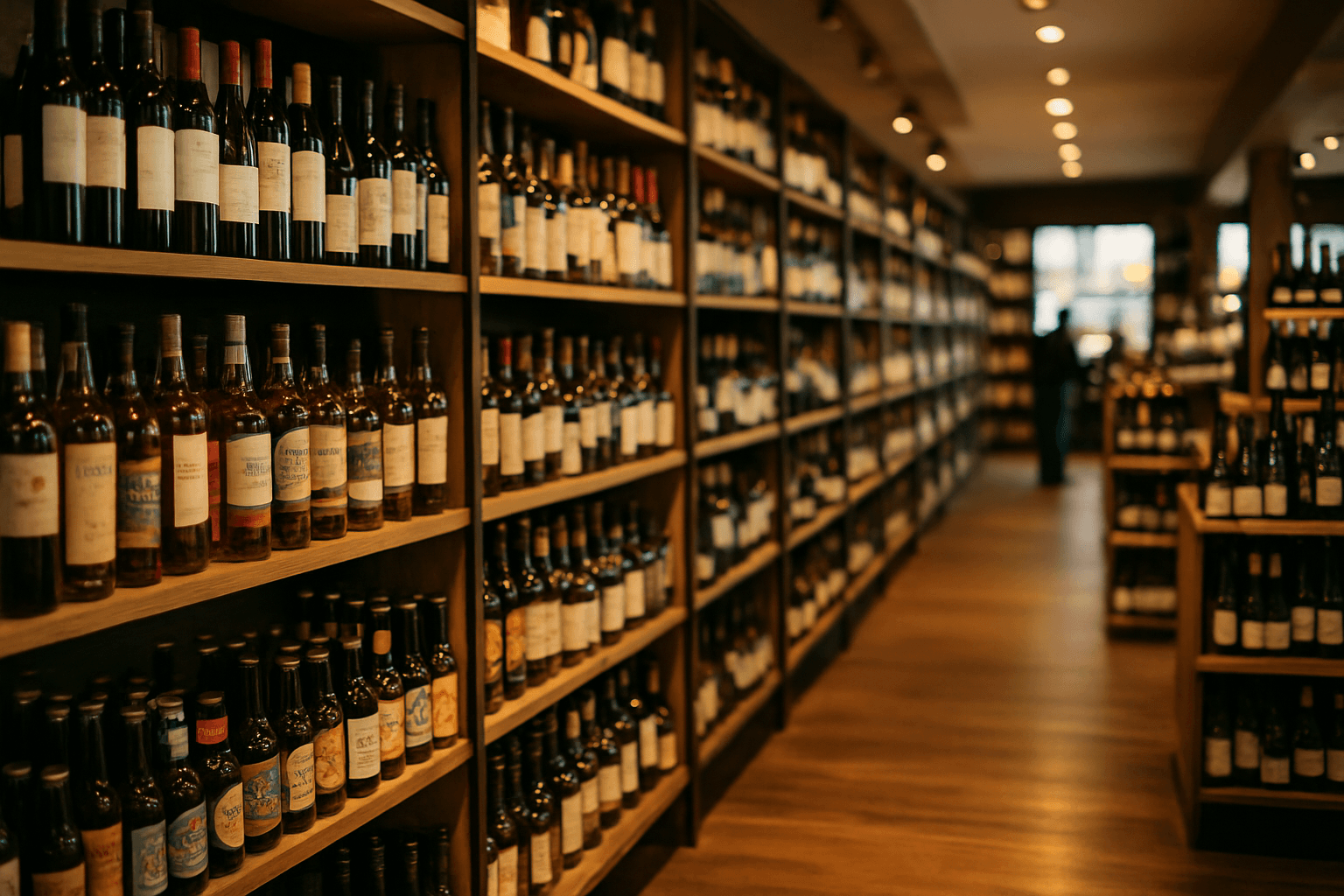
Discover 9 actionable beverage market intelligence moves for US liquor retailers based on Circana's 2025 Pacesetters Report. Boost your retail strategy now.
- TL;DR
- 1. Treat Market Intelligence as a Core Business Function, Not a Nice-to-Have
- 2. Study Circana's Share of Sip Research Before Every Buying Cycle
- 3. Track the Premium Spirits Surge Before Your Competitors Do
- 4. Make Room for RTD Cocktails as a Permanent Category
TL;DR
- The US liquor retailing industry comprises 44,401 businesses and has grown at a 1.2% CAGR between 2021–2026, market intelligence is your competitive edge.
- Circana's 'Share of Sip' research identifies the premium spirits surge, RTD cocktail rise, and sustainability as the top 2026 liquor store trends shaping US retail.
- From mindful drinking to snackification, consumer preferences are evolving fast, retailers who track these shifts with data outperform those who don't.
- Nine strategic moves, from benchmarking against Pacesetters data to building trend-responsive product mixes, can future-proof any liquor retail operation.
1. Treat Market Intelligence as a Core Business Function, Not a Nice-to-Have
With 44,401 businesses competing in the US Beer, Wine & Liquor Retailing industry (IBISWorld ↗), most operators still make buying and shelf decisions without formal market intelligence. That's a gap you can close. Treat intelligence gathering as a daily operational habit, not a project you tackle when time permits. Assign one person on your team to monitor Circana reports, IBISWorld data, and trade publications weekly, tracking emerging beverage industry trends like the rise of premium spirits, RTD cocktails, and sustainability-driven products. Even single-store owners can build a simple tracking system using free or low-cost reporting tools. Retailers who treat data as infrastructure, not background noise, will consistently stock what sells and miss fewer trends.
2. Study Circana's Share of Sip Research Before Every Buying Cycle
Before planning your next order, review Circana's "Share of Sip" webinar to understand which brands, categories, and price points are gaining ground. This research maps real-time shifts impacting brands, retailers, and foodservice operators, making it a practical tool for aligning your purchasing with broader beverage industry trends. Use these insights to guide seasonal ordering decisions, evaluate new SKUs, and build promotional calendars that reflect where consumer demand is heading. Cross-reference Circana data with your own sales history to spot which national movements are already landing in your market. Retailers who synchronize buying decisions with Circana's pace-setting categories position themselves ahead of competitors in a market of 44,401 US liquor retail businesses.
3. Track the Premium Spirits Surge Before Your Competitors Do
Premium spirits are among the top liquor store trends reshaping beverage industry trends in 2026, demand is clearly shifting upward. Start by auditing your current SKU mix: is your average bottle price climbing or staying flat? If you're not seeing upward movement, your assortment needs adjustment. Each quarter, add one or two premium expressions across your highest-volume categories: whiskey, agave, and gin are natural starting points. Beyond products, invest in your team. Staff who can tell the story behind a premium bottle, the distillery, the process, the flavor profile, consistently convert browsers into buyers. Education drives the upgrade sale.
Let our team show you what's possible.
our team specializes in digital marketing strategies that drive real results. Let us show you what's possible.
Schedule a Call4. Make Room for RTD Cocktails as a Permanent Category
Ready-to-drink cocktails are no longer a pandemic experiment, they're a permanent shift in beverage industry trends that deserves permanent shelf space. Reallocate dedicated fridge or endcap real estate to RTDs, treating them like your craft beer section rather than a seasonal promotion. Stock both single-serve cans for on-the-go customers and variety packs to capture social sharing occasions. Watch which flavor profiles move fastest in your store and adjust your mix accordingly. Among the 44,401 businesses in the US liquor retailing space (IBISWorld ↗), retailers who treat RTDs as a fixture, not a fad, will capture incremental sales from consumers who've made canned cocktails a regular purchase.
5. Watch the Mindful Drinking Wave Reshaping Every Category
Mindful drinking is no longer a niche trend, it's reshaping beverage industry trends across beer, spirits, wine, and RTD categories. With 44,401 businesses competing in the US liquor retailing space, retailers who ignore this shift risk falling behind as consumer tastes evolve. Low-ABV and non-alcoholic options, from mocktails to functional beverages, are gaining ground as shoppers seek moderation without sacrifice. The "snackification" of drinks, occasions where beverages pair with food or stand alone as quick indulgences, opens new promotion angles that savvy retailers can leverage to drive incremental sales.
6. Benchmark Your Store Against Industry Growth Benchmarks
Compare your store's performance to the national average before assuming you're doing fine. The US liquor retailing industry has grown at a CAGR of 1.2% between 2021 and 2026 (IBISWorld ↗), which gives you a concrete baseline for realistic growth expectations. If your year-over-year numbers fall short of that 1.2%, dig into category gaps, staffing constraints, or pricing strategies that may be holding you back. Circana's Pacesetters Report identifies top-performing brands and retailers, revealing what winners do differently in current beverage industry trends. Set quarterly growth targets anchored to these national benchmarks rather than just your own historical performance, and you'll have a clearer picture of where you stand against 44,401 competitors in the market (IBISWorld ↗).
7. Build Supplier Partnerships Rooted in Data Sharing
When you sit down with distributors for quarterly reviews, come armed with requests. Ask them to share their market intelligence, they track regional velocity, emerging SKUs, and beverage industry trends that you can't see from your shelves alone. In exchange, offer your point-of-sale data for their category performance reports. With 44,401 businesses in the Beer, Wine & Liquor Retailing industry in the United States (IBISWorld ↗), standing out requires leverage beyond your own store. Use industry benchmarks to enter negotiations with credible market context. Data-driven supplier relationships unlock co-op funding, exclusive launches, and better terms, turning your vendor meetings into strategic advantage sessions.
8. Invest in Retail Analytics Tools Built for Liquor Stores
Stop guessing which bottles to stock. With 44,401 businesses competing in the US liquor retailing industry (IBISWorld ↗), manual tracking simply can't keep pace with rapidly evolving consumer preferences. Modern POS analytics tools built for liquor stores surface top-selling categories, slow movers, and price elasticity patterns, giving you actual data instead of gut instinct. Track sell-through rates to make disciplined decisions about trending categories like RTDs and premium spirits, two segments that are pacing the market. You don't need enterprise software to get started. Even basic reporting dashboards can surface insights that transform a struggling store into a data-led operation, keeping you ahead of broader beverage industry trends.
9. Connect National Trends to Local In-Store Execution
National beverage industry trends like sustainability, functionality, and flavor exploration dominate industry reports, but they only matter if customers notice them on your shelves. Translate macro insights into daily in-store moments: add eco-friendly signage near products, build flavor-focused endcaps highlighting wellness options, and host tasting events that let shoppers explore new profiles. With the US liquor retailing industry encompassing 44,401 businesses (IBISWorld ↗), standing out requires visible action on these trends, not just awareness. When health-conscious, functional, and adventurous consumers walk in, your shelves should speak their language. Retailers who bridge the gap between trend reports and daily store experience build loyal, repeat customers.
The moves above aren't optional extras, they're the difference between retailers who react to the market and those who stay ahead of it. Start with one or two actions this week, whether that's scheduling a monthly Circana review or auditing your RTD section. Build the habit, and your data literacy compounds over time. Pick the move that feels most urgent for your store right now and commit to it today.
Frequently Asked Questions
What is the Circana 'Share of Sip' report and why does it matter for liquor retailers?
Circana's 'Share of Sip' is a research webinar and report that outlines trends impacting beverage brands, retailers, and foodservice operators. For US liquor retailers, it provides data-backed insights on which categories are growing, which products are pacing the market, and how consumer preferences are shifting, making it an essential tool for smarter buying and merchandising decisions.
How fast is the US liquor retailing industry growing?
According to IBISWorld ↗, the US liquor retailing industry has grown at a compound annual growth rate (CAGR) of 1.2% between 2021 and 2026. This steady but measured expansion signals a healthy market, but also intensifies competition, making market intelligence critical for retailers who want to outpace the average.
What are the top liquor store trends for 2026?
Top liquor store trends for 2026 include the increase of premium spirits, the rise of ready-to-drink (RTD) cocktails, and sustainability-focused product lines. Health and wellness, functionality, and functional beverages are also reshaping how retailers stock their shelves and engage shoppers.
How many businesses operate in the US liquor retailing space?
The Beer, Wine & Liquor Retailing industry in the United States comprises approximately 44,401 businesses, according to IBISWorld ↗. This high level of market fragmentation means that retailers who leverage data and market intelligence can gain a meaningful competitive advantage over the majority of operators.
How can small liquor store owners use retail analytics without a big budget?
Small liquor store owners can start with free or low-cost POS reporting tools that come with most modern point-of-sale systems. By tracking weekly sell-through rates, top SKUs, and slow-moving categories, even a single-store operator can make data-driven ordering decisions that rival the sophistication of larger chains.
What is mindful drinking and how is it affecting liquor store inventory?
Mindful drinking refers to consumers choosing lower-ABV beverages, moderating consumption, or opting for non-alcoholic alternatives. This trend is reshaping beer, spirits, wine, and RTD categories, pushing retailers to expand low-ABV offerings, mocktails, and functional beverages to meet evolving consumer tastes.
Why are RTD cocktails considered a permanent trend rather than a pandemic fad?
Ready-to-drink cocktails have moved beyond their pandemic-era spike to become a structural category in the liquor retail landscape. Many retailers now treat RTDs as a permanent fixture warranting dedicated shelf space and promotional attention, rather than a seasonal experiment.