6 AI Demand Sensing Triggers Every Liquor Retailer Should Activate as Premixed Cocktails Outpace the Broader Alcohol Market
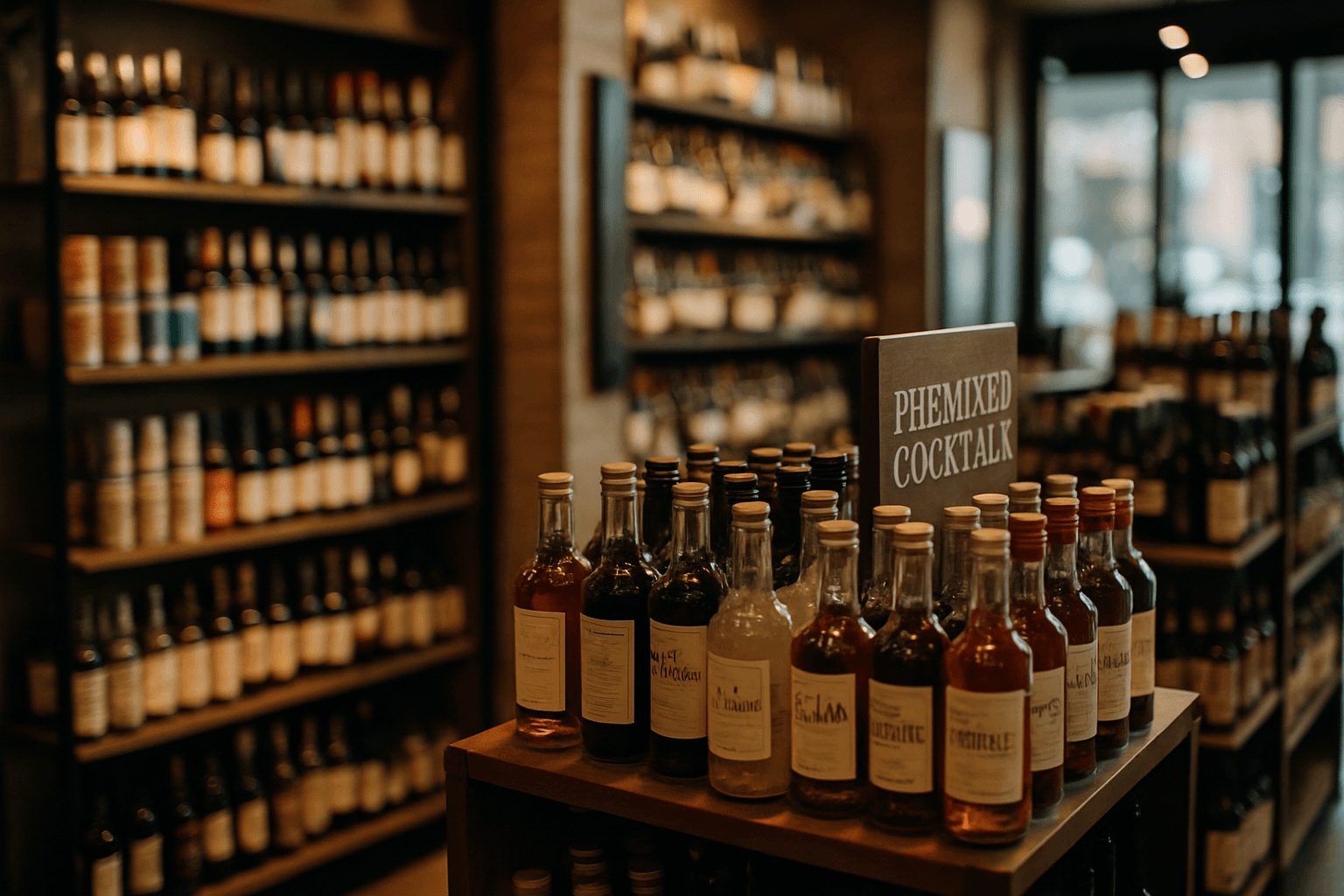
Discover 6 AI demand sensing triggers for liquor retailers to capitalize on premixed cocktail growth and boost sales through smarter customer engagement.
- TL;DR
- 1. Track Real-Time Sales Velocity to Spot Demand Shifts Instantly
- 2. Connect Weather Patterns to Purchase Behavior
- 3. Monitor Social Media Trends and Sentiment for Early Signals
- 4. Detect Supplier Promotions and Trade Spend Changes
As premixed cocktails continue capturing more shelf space and customer attention, liquor retailers need smarter ways to anticipate demand. If you're managing inventory with gut feelings or outdated reports, you're likely leaving sales on the table, and dealing with stockouts when demand spikes unexpectedly. This guide walks you through six AI demand sensing triggers that help you stay ahead of premix trends, keep shelves stocked, and turn data into actionable restocking decisions.
TL;DR
- AI demand sensing transforms short-term forecasting accuracy, directly reducing stockouts and overstock costs
- Real-time sales velocity tracking replaces guesswork with data-driven restocking decisions
- Weather, social trends, supplier promotions, and local events all signal shifting premix demand
- Personalized AI recommendations from loyalty data increase repeat visits and basket size
- Premixed cocktails represent one of the fastest-growing segments in alcohol retail, AI-powered engagement helps retailers capitalize on this momentum
1. Track Real-Time Sales Velocity to Spot Demand Shifts Instantly
Set up AI to watch your sales data as it happens, not days later. When premixed cocktail sales suddenly spike on a Friday afternoon, demand sensing systems catch the shift immediately and trigger restocking alerts before shelves go empty. This real-time velocity tracking lets you adjust shelf placement on the fly, moving high-demand items front and center, and make quick promotional tweaks based on what's actually selling. According to E2open ↗, demand sensing software can improve short-term forecast accuracy by 30 to 40 percent through AI and machine learning analysis of real-time supply chain data. The result: tighter inventory costs without sacrificing availability.
2. Connect Weather Patterns to Purchase Behavior
When the forecast calls for heat, your customers reach for seltzers and light premixes. When temperatures drop, whiskey-based cocktails move faster. AI tools can map local weather forecasts against your POS data to predict these shifts before they happen, letting you adjust inventory proactively instead of reacting too late. Weather-driven decisions help you stock the right products at the right time and cut down on waste from unsold inventory.
3. Monitor Social Media Trends and Sentiment for Early Signals
Your customers are talking about new premix flavors on social media long before those products appear in your store. AI tools can track mentions, hashtags, and sentiment across platforms in real time, giving you a heads-up on which brands and flavors are gaining buzz. When you see positive sentiment building around a specific premix cocktail, you can stock up before demand spikes. This means moving from reactive restocking to proactive inventory moves that keep you ahead of trends rather than scrambling to catch up.
4. Detect Supplier Promotions and Trade Spend Changes
When a supplier bumps co-op funding or launches a promotional buy-one-get-one, customer buying patterns shift almost immediately. AI tools can detect these trade spend changes in real time, tracking promotional timing, pricing shifts, and program launches across your supplier network. This means you position inventory proactively, stocking up on promoted SKUs before the promotional period drives demand spikes. By aligning your purchasing with supplier program calendars, you capture sell-through momentum without scrambling to restock mid-promotion.
Discover 7 social media demand sensing triggers liquor retailers can track to predict flavor trends, stock smarter, a...
5. Analyze Seasonal and Calendar-Driven Consumption Shifts
Super Bowl Sunday, summer barbecues, and holiday celebrations create predictable premix demand spikes that manual planning often misses. AI tools analyze your historical sales data against calendar information to identify these recurring patterns year over year. Once detected, you can plan targeted promotions that align with when customers naturally reach for ready-to-drink options. This means fewer stockouts during high-demand periods and less wasted inventory afterward.
6. Incorporate Local Events and Community Activity Data
Your best sales days might already be predictable, you just need AI to recognize the pattern. Concerts, food festivals, and sports events drive foot traffic to nearby stores, but manually tracking every local happening is impractical. AI can monitor community calendars, correlate event schedules with historical sales spikes, and alert you to stock high-demand items before the crowd arrives. This approach works behind the scenes, ensuring your shelves match what's happening in town.
Bonus Trigger: Personalize Customer Recommendations Through Loyalty Data
Your loyalty program is a goldmine of customer insights. Each transaction builds a detailed purchase history that AI can analyze at scale to understand individual flavor preferences and buying patterns. Rather than guessing what customers want, AI-powered engagement lets you generate personalized recommendations that feel like a knowledgeable staff member who remembers every customer's taste. This targeted approach boosts repeat visits by helping shoppers discover products they'll genuinely enjoy, while suggestive selling based on their preferences increases average basket size. The result: customers who feel understood keep coming back.
Conclusion: Start Sensing Demand Today to Capture Premix Growth
Premixed cocktails represent one of the fastest-growing segments in alcohol retail, and traditional inventory methods often struggle to keep pace with this dynamic category. AI demand sensing enables smarter short-term forecasting so you can stock the right premix products at the right time without overcommitting shelf space. Start with one or two triggers, such as point-of-sale trends or local event data, and expand your AI capabilities as the results prove themselves. The tools exist now, and integrating them with your demand sensing strategy positions your store to capture premix growth before competitors do.
Liquor store zoning restrictions are spreading fast. Learn how new location limits impact expansion plans and how AI ...
Ready to move beyond guesswork? Start with a single demand sensing trigger this week and see what insights emerge.
Frequently Asked Questions
What is AI demand sensing in liquor retail?
AI demand sensing uses machine learning to analyze real-time data, sales velocity, weather, social trends, and events, to predict what products customers will buy and when, enabling smarter inventory decisions.
How can small liquor stores use AI demand sensing without large budgets?
Many AI inventory platforms offer scalable pricing tiers, and starting with a single trigger like sales velocity tracking can deliver immediate value by reducing stockouts and overstock costs.
Which premixed cocktail categories benefit most from demand sensing?
Flavored malt beverages, canned gin and tonic, spiked seltzers, and ready-to-drink whiskey cocktails show the strongest demand variability and benefit most from AI-driven inventory adjustments.
AI compliance automation for liquor retailers helps multi-state operations track TTB, ABC, and local licensing change...
How long does it take to implement AI demand sensing?
Implementation timelines vary by platform, but many AI inventory tools are designed to integrate smoothly with existing POS systems, with basic insights often available within the first month and continued optimization over subsequent quarters.
What's the ROI of AI demand sensing for liquor retailers?
Retailers using demand sensing report improved short-term forecast accuracy, which translates to reduced waste, fewer stockouts, and better inventory turnover for premix products. Results vary based on store size and implementation scope.
How does demand sensing differ from traditional inventory forecasting?
Traditional forecasting relies on historical averages, while AI demand sensing incorporates real-time signals like weather, local events, and social trends to predict short-term demand shifts more accurately.