7 Route Optimization Triggers Every Regional Liquor Distributor Should Automate This Quarter Using AI
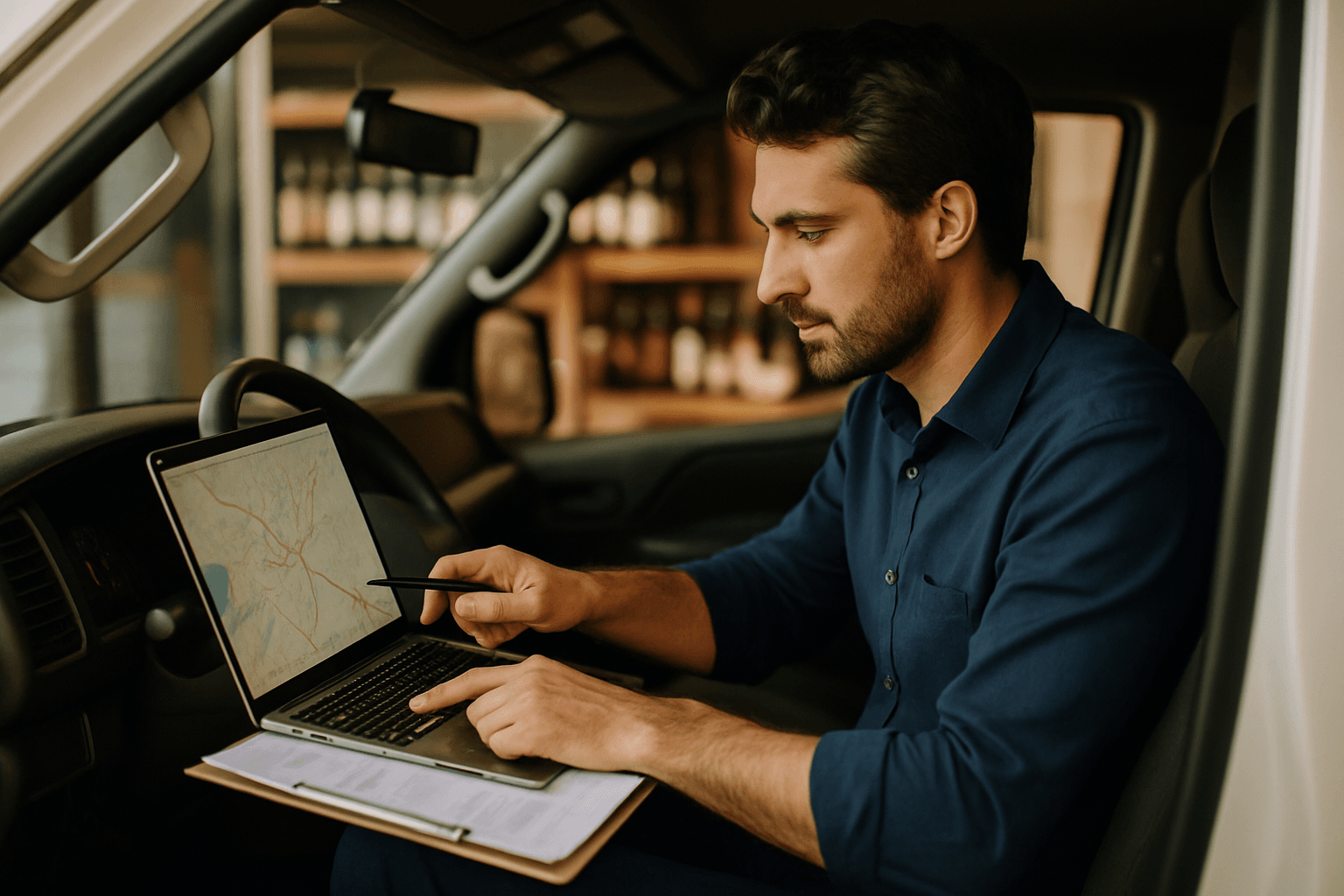
Discover 7 route optimization triggers that liquor distributors should automate using AI to cut costs and boost delivery efficiency this quarter.
- TL;DR
- 1. Automate Route Planning When Daily Delivery Volume Exceeds Your Manual Threshold
- 2. Trigger Dynamic Rerouting When Real-Time Traffic Anomalies Are Detected
- 3. Activate Alternate Route Generation When Weather Conditions Deteriorate
- 4. Initiate Route Rescheduling When Driver Availability Shifts Mid-Day
TL;DR
- More distributors are adopting route optimization tools, now's the time to automate
- AI-powered route planning cuts fuel and labor costs for beverage distributors using real-time data
- Automation triggers based on delivery volume, weather, and traffic prevent costly manual re-routing
- Many distributors using alcohol-specific routing software see meaningful cost savings on fuel and labor annually
1. Automate Route Planning When Daily Delivery Volume Exceeds Your Manual Threshold
Set a hard trigger: when your daily stops hit 15 or more, let AI take over route planning automatically. Manual route planning breaks down as delivery complexity grows, what works for 8 stops becomes a guessing game at 20 or 30. AI route optimization tools process hundreds of stops in seconds, finding efficient sequences humans simply miss. Many distributors are rapidly adopting these tools as their operations scale. Crossroad Vintners uses alcohol delivery routing software to improve efficiency and reduce costs (RouteSavvy) ↗. When volume crosses your threshold, the switch flips itself.
2. Trigger Dynamic Rerouting When Real-Time Traffic Anomalies Are Detected
Connect your AI route planning tools to live traffic APIs and your drivers avoid traffic headaches before they become delivery problems. When accidents, congestion, or road closures pop up, automated systems detect these anomalies instantly and reroute drivers on the fly, cutting idle time, saving fuel, and keeping those delivery windows intact. More distributors are adopting intelligent rerouting as the industry recognizes its value. Distributors using AI-powered tools with real-time data tracking often experience smoother performance when disruptions hit.
3. Activate Alternate Route Generation When Weather Conditions Deteriorate
Connect your route optimization system to weather APIs that automatically trigger alternate route generation when storms, fog, or hazardous conditions develop. AI evaluates real-time road conditions, visibility levels, and delivery urgency to reroute proactively before drivers encounter danger. This protects both driver safety and your cargo, whether it's premium whiskey or temperature-sensitive wine. Fewer accidents mean lower insurance claims, and protecting product integrity means fewer customer complaints. Distributors using integrated weather-aware routing systems can keep deliveries on schedule while prioritizing what matters most: getting your team and product to the destination safely.
Discover 8 AI route optimization tactics to cut last-mile costs, streamline delivery routes, and boost efficiency for...
4. Initiate Route Rescheduling When Driver Availability Shifts Mid-Day
When a driver calls out sick or a schedule changes unexpectedly, AI-powered route optimization detects the gap instantly and automatically redistributes remaining stops to available drivers based on their current location, hours remaining, and delivery priority. Machine learning evaluates each reassignment in real-time, assigning urgent deliveries to the closest capable driver while adjusting routes to minimize fuel costs and driver fatigue. This automation prevents missed deliveries that damage customer relationships and eliminates the frantic phone calls that consume your dispatcher's afternoon. Without manual intervention, your operation adapts seamlessly to disruption, keeping promises to retailers and restaurants intact. Crossroad Vintners uses RouteSavvy alcohol delivery routing software to automate exactly this kind of dynamic rescheduling (RouteSavvy) ↗.
5. Deploy AI Route Optimization When Fuel Costs Hit Predefined Thresholds
When gas prices spike past your set threshold, activate fuel-efficient route calculations immediately. AI consolidates nearby stops, cuts mileage, and shifts delivery priorities to burn less fuel on every run. This matters for regional liquor distributors watching thin margins. One operator, Crossroad Vintners, used alcohol delivery routing software to improve efficiency during high-price periods. Smaller distributors now access AI tools once reserved for enterprise operations, leveling the playing field. Configure your thresholds once, and your routes auto-adjust the moment fuel costs shift, no manual replanning required.
Explore 7 critical distributor consolidation trends reshaping liquor distribution logistics and the three-tier system...
6. Trigger Delivery Window Optimization When Time-Sensitive Orders Arrive
When time-sensitive orders hit your system, route optimization software powered by AI automatically flags them and triggers delivery window optimization, repositioning urgent stops within existing routes without disrupting the remaining schedule. Unlike manual rerouting, which causes cascading delays, AI sequence planning keeps other deliveries on track while meeting tight windows for high-value on-premise accounts. This kind of reliability builds loyalty, and loyal accounts mean consistent, predictable volume.
7. Activate Multi-Stop Consolidation When Inventory Patterns Predict Bulk Orders
Use sales data triggers to activate multi-stop consolidation when inventory patterns predict bulk replenishment needs. AI analyzes historical sales data alongside road networks, vehicle capacity, and operational constraints simultaneously to pre-plan efficient delivery runs before orders arrive. Route optimization software then arranges the sequence of stops to find the most cost-effective path for completing deliveries. Companies like Crossroad Vintners use alcohol delivery routing software to improve efficiency while maintaining optimized multi-stop runs. This proactive approach reduces last-minute route changes and ensures your fleet operates at peak efficiency.
Regional liquor distributors: leverage AI route optimization to cut costs and outmaneuver national players during ind...
Conclusion
These seven triggers give regional liquor distributors a practical playbook for bringing AI into their daily operations without overwhelming their teams. Starting with one or two, like volume-based automation and weather-aware rerouting, lets you see quick wins before expanding across the full workflow. The goal isn't to automate everything at once, but to build a foundation that improves delivery performance every single day.
Ready to automate your first route optimization trigger? Identify your biggest operational pain point right now and start there, one well-placed trigger can transform how your distribution runs.
Frequently Asked Questions
Sources
- FarEye - Route optimization definition and purpose ↗
- Routific - Route optimization as efficient stop sequencing ↗
- Descartes - Route optimization considering customer orders, resources, and constraints ↗
- Curri - Manual route planning limitations ↗
- NextBillion.ai - Route optimization for alcohol and beverage distributors ↗
- RouteSavvy - Case study of Crossroad Vintners using alcohol delivery routing software ↗
- Google Maps Platform - Real-time traffic and efficient routing solutions ↗