8 AI Route Optimization Tactics Every Beverage Distributor Should Deploy for Summer 2026
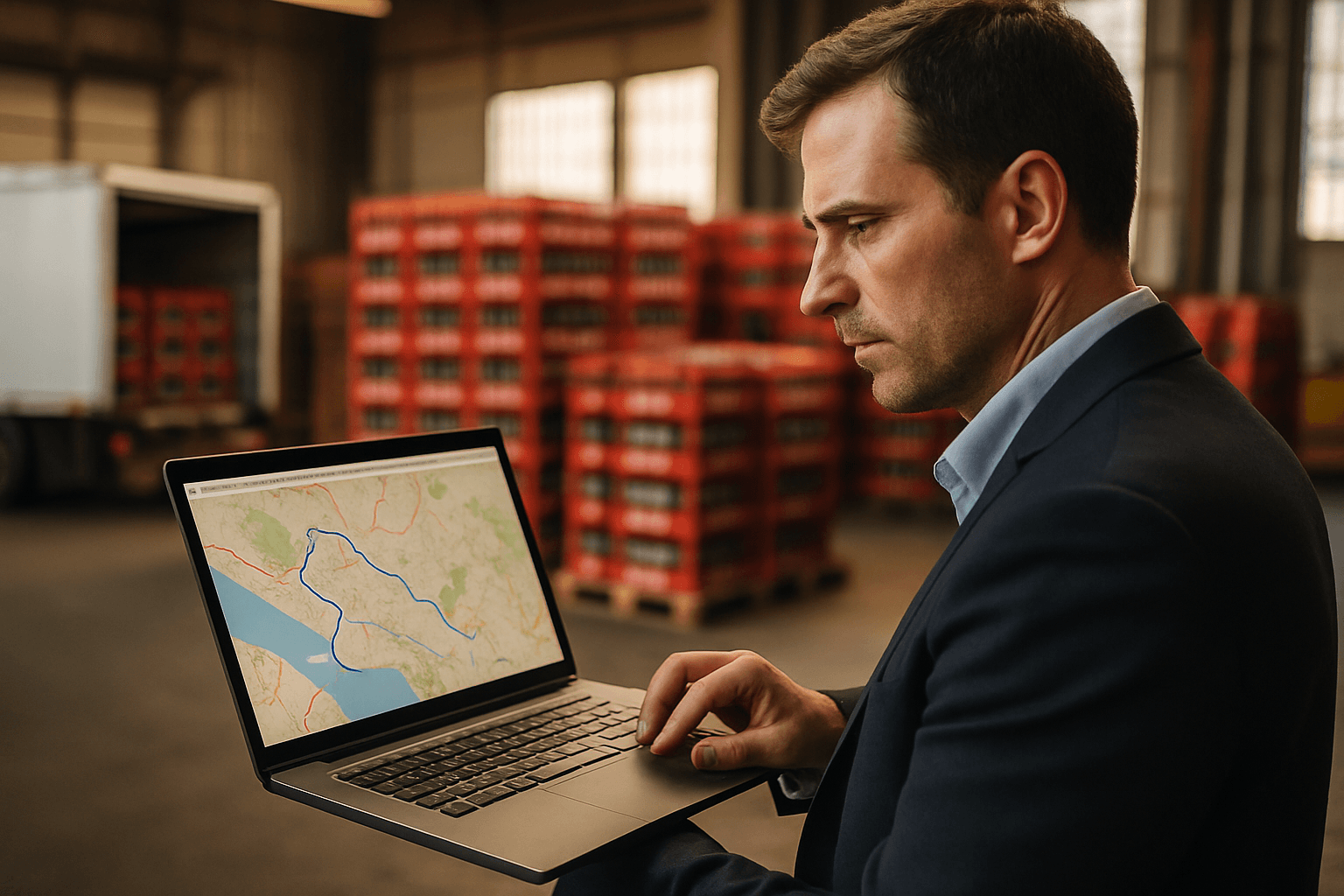
Discover 8 AI route optimization tactics to cut last-mile costs, streamline delivery routes, and boost efficiency for beverage distributors this summer.
- TL;DR
- 1. Deploy Agentic AI for Dynamic Route Self-Adjustment
- 2. Integrate Real-Time Traffic and Weather Data
- 3. Optimize Multi-Stop Sequences for Retail Accounts
- 4. Balance Vehicle Load Capacity Across Routes
TL;DR
- Last-mile costs represent a significant portion of supply chain spend, AI route optimization helps regional beverage distributors reclaim efficiency
- Agentic AI creates dynamic route plans that self-adjust in real-time rather than static routes requiring manual updates
- Real-time traffic and weather integration prevents delivery delays before they impact customers
- AI-powered fleet optimization software reduces fuel costs and driver overtime through smarter route sequencing
1. Deploy Agentic AI for Dynamic Route Self-Adjustment
Agentic AI builds routes that reshape themselves without human input. Unlike traditional route planning that freezes once created, these systems constantly monitor traffic conditions, delivery priorities, and vehicle capacity, automatically reshaping routes as conditions shift mid-delivery. This matters during summer surges when dispatcher attention is stretched thin. Instead of manually reworking routes every time a road closes or a priority delivery emerges, your team can focus on exceptions that truly need human judgment. The result: delivery commitments hold firm even when the unexpected happens.
2. Integrate Real-Time Traffic and Weather Data
Layer real-time traffic patterns and weather forecasts directly into your routing engine. AI route optimization tools ingest live data streams throughout the day, automatically rerouting deliveries when congestion builds or storm systems approach. This prevents costly delays before they derail your schedule and protects temperature-sensitive inventory, wine, craft beer, and ready-to-drink beverages, from weather-related spoilage. Your drivers stay on track, and your dispatch team spends less time fielding emergency rescheduling calls. The result: smoother deliveries, fewer surprises, and consistent service your retail partners can count on.
3. Optimize Multi-Stop Sequences for Retail Accounts
Group nearby retail accounts into geographic clusters to cut drive time between deliveries. Sequencing stops by volume and delivery frequency ensures high-volume accounts get priority during peak demand windows. This reduces empty miles spent zigzagging across your territory and boosts your daily stop capacity, one truck can handle more deliveries without adding routes.
4. Balance Vehicle Load Capacity Across Routes
Load capacity planning ensures every vehicle leaves the warehouse optimized, not overloaded or underutilized. AI route optimization analyzes each route's distance, terrain, and delivery window to assign the right product mix to the right vehicle. This prevents overweight trucks that strain fuel costs while avoiding half-empty loads that waste miles. For glass-heavy deliveries, intelligent stacking sequences reduce breakage by keeping fragile items secure and accessible. By matching load assignments to vehicle types, distributors squeeze maximum revenue from each mile traveled. Every run becomes a precision-balanced operation rather than a guessing game.
5. Enforce Time Window Compliance at Retail Locations
Use AI route optimization to automatically factor in each retailer's specific delivery windows when building your daily routes. Your software should flag stops with strict appointment requirements, like early morning windows before stores open to the public or tight afternoon slots between restocking periods, so dispatchers can sequence them correctly from the start. This prevents costly missed appointments and the rushed deliveries that follow. When retailers know you'll show up exactly when promised, they prioritize you over suppliers who run late or demand flexibility. That reliability becomes a competitive edge with store managers who've learned that dependable delivery partners reduce their own operational headaches (Liquorchat ↗).
Regional liquor distributors: leverage AI route optimization to cut costs and outmaneuver national players during ind...
6. Leverage Driver Performance Analytics
Track individual driver performance with AI analytics to identify coaching opportunities and reward your best performers. AI systems monitor metrics like fuel consumption, delivery accuracy, and adherence to optimized routes across your entire fleet. Even small inefficiencies from inconsistent driver behavior add up quickly. Flag drivers who show patterns of speeding, excessive idling, or route deviations to address issues before they impact costs or customer satisfaction. Use the data to create performance benchmarks and build incentive programs that recognize top performers, turning route optimization insights into a retention and morale tool for your distribution team (Liquorchat ↗).
7. Reduce Carbon Footprint Through Route Efficiency
Every unnecessary mile your trucks drive costs money and emissions. AI route optimization slashes both by calculating the most fuel-efficient paths across your delivery network. Using it to trim distances means less fuel burned per delivery and a lighter environmental footprint. Sustainability is no longer optional for many retail partners, showing measurable progress on emissions helps you win and keep those accounts. By aligning your fleet operations with eco-conscious expectations, you position your business favorably with retailers who value green partners.
8. Connect Route Optimization to Inventory Management
Link your fleet optimization software directly to your order management system so routes automatically reflect real-time stock availability at your distribution centers. When inventory runs low at one location, AI route optimization adjusts delivery sequences to pull from DCs with adequate supply, preventing drivers from arriving at accounts with incomplete loads. This synchronization between inventory positioning and delivery timing improves on-shelf availability for your retail partners. Making route optimization and inventory management work as one unified system becomes a key operational efficiency driver for regional distributors.
Conclusion: Your Summer 2026 Optimization Roadmap
Start with one or two tactics and expand as your team gains confidence with AI tools, this measured approach prevents overwhelm while building momentum. Agentic AI represents a significant advancement for liquor distribution technology in 2026, offering autonomous decision-making that adapts to real-time conditions on the road. Real-time data integration delivers meaningful ROI through reduced fuel and labor costs. Connected systems compound benefits over time as AI learns your distribution network, turning initial investments into growing operational advantages. Your roadmap begins now.
AI route optimization beverage distribution can slash last-mile costs that eat up 53% of supply chain spend. A practi...
Ready to streamline your summer deliveries? Book a free consultation with LiquorChat's technology advisors to explore which route optimization tactics fit your operation best.
Frequently Asked Questions
What is the difference between traditional GPS navigation and AI route optimization?
Traditional GPS provides turn-by-turn directions to a single destination, while AI route optimization plans entire delivery sequences across dozens of stops. AI considers traffic patterns, time windows, vehicle capacity, and delivery priorities simultaneously to minimize total drive time and costs.
How much can AI route optimization save a regional beverage distributor?
Last-mile costs represent a significant portion of supply chain spend, making route optimization particularly valuable for regional distributors. Combined with reduced fuel consumption and driver overtime, most distributors see meaningful cost reductions within the first few months of implementation.
Is agentic AI suitable for small distributors with limited IT resources?
Yes. Modern agentic AI route optimization platforms are increasingly cloud-based and user-friendly, requiring minimal technical setup. Many offer intuitive dashboards that dispatchers can learn without specialized training, making advanced AI accessible to distributors of all sizes.
Discover how AI route optimization is transforming last-mile delivery for mid-size beverage distributors, cutting cos...
How long does it take to implement AI route optimization for beverage distribution?
Most cloud-based fleet optimization software can be configured within days rather than months. Initial setup includes mapping your delivery territory, uploading retail account addresses, and configuring time windows. Full optimization benefits typically emerge within the first few weeks of daily use.
Can AI route optimization work with my existing fleet management systems?
Most modern AI logistics platforms for distributors offer API integrations with common inventory management, ERP, and order processing systems. This connected approach ensures route plans reflect real-time stock availability and prevents drivers arriving at accounts with incomplete deliveries.
What metrics should beverage distributors track after implementing AI route optimization?
Key performance indicators include stops completed per route, fuel consumption per delivery, on-time delivery rates, and driver overtime hours. Track these metrics monthly to quantify ROI and identify continuous improvement opportunities across your distribution network.
Does route optimization really improve customer retention for beverage distributors?
AI route optimization strengthens customer loyalty by ensuring consistent on-time deliveries and reliable service quality. When retailers can count on predictable delivery windows, they view you as a preferred supplier. This reliability compounds into long-term account retention and expanded shelf space.