8 Beverage Distribution Shifts Every US Liquor Retailer, Distributor, and Brand Manager Should Track in Summer 2026
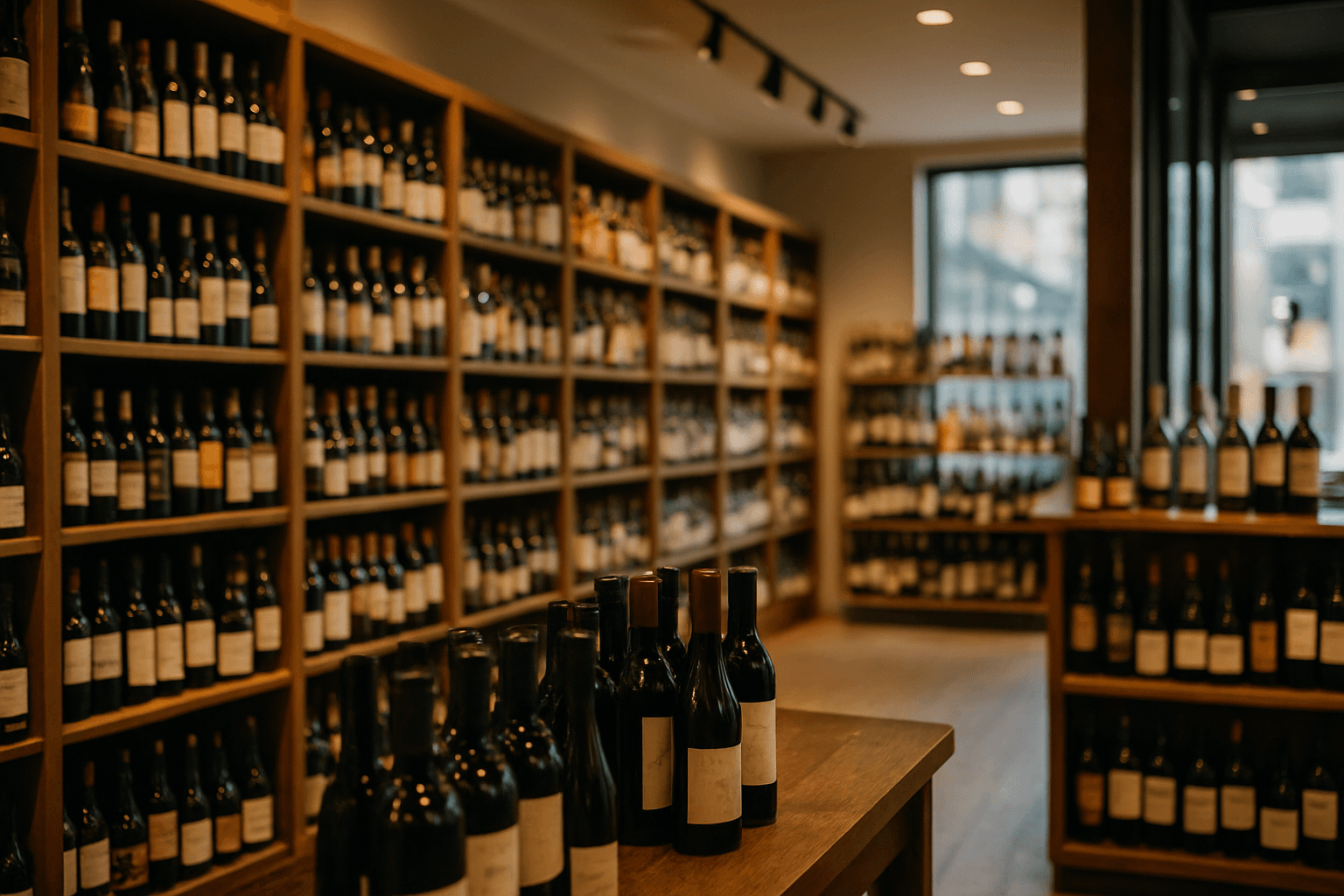
Discover 8 key US beverage distribution shifts for summer 2026. From no-alcohol growth to functional beverages and convenience trends, stay ahead.
- TL;DR
- 1. No-Alcohol Alternatives Are Claiming Permanent Shelf Space
- 2. Functional Beverages: High Demand, Nuanced Distribution
- 3. Fruit Beers and Radlers Are Winning Over Cost-Conscious Consumers
- 4. Convenience Has Become the Default Purchasing Driver
The US beverage market is moving fast, and if you're not watching where it's heading, you're leaving shelf space, margin, and customers on the table. Summer 2026 is shaping up to be a pivotal season, with shifts in consumer behavior, packaging preferences, and category expectations that cut across every segment of the industry. Whether you're stocking shelves, negotiating distribution deals, or positioning your brand for growth, these eight trends deserve your attention.
TL;DR
- The global non-alcoholic beverage market is projected to surpass $157 billion by the end of 2026, signaling a major shift in shelf space strategies across US beverage retail.
- Convenience-driven formats and cocktail-ready packaging are now dominant forces in beverage industry trends, about one-third of American alcohol consumption now happens in cocktail format.
- Functional beverages and no-alcohol alternatives are expanding, but with nuanced growth patterns that demand smarter, more targeted distribution approaches.
- Gen Z demand for customizable drinks is fueling innovation in foodservice, and those preferences are increasingly influencing what retailers stock on shelves.
1. No-Alcohol Alternatives Are Claiming Permanent Shelf Space
The global non-alcoholic beverage market is projected to surpass $157 billion by the end of 2026, a signal too loud for distributors and retailers to ignore. No-alcohol beer, wine, spirits, and RTDs are growing across every channel, forcing retailers to rethink planograms and distributors to expand SKU complexity. Liquor store owners should treat no-alcohol not as a passing phase but as a permanent category that attracts new occasions and new shoppers. For distributors, this means building relationships with emerging NA brands and adjusting logistics for a broader mix. Either way, ignoring this space means leaving shelf space, and margin, on the table.
2. Functional Beverages: High Demand, Nuanced Distribution
The functional beverage market is expanding, but growth is proving far more nuanced than broad beverage industry trends suggest. Gut health, adaptogen drinks, and beauty-from-within beverages are emerging as key drivers that don't fit traditional beer, wine, or spirits aisles. Research suggests functionality and wellness positioning are becoming critical differentiators across the broader beverage landscape. Distributors and brand managers must align functional products with the right retail environments and consumer segments rather than pushing for broad distribution, the right placement matters more than volume.
3. Fruit Beers and Radlers Are Winning Over Cost-Conscious Consumers
Fruit beers and radlers are gaining ground as consumers look for longer serves, sweeter flavors, and better value, a combination that aligns with current beverage industry trends favoring accessible, flavored options. These lighter, fruit-forward styles offer an approachable entry point for shoppers exploring beyond standard lagers, and many retailers report growing interest in this category. Stock a curated selection of fruit-forward styles, from radlers to wheat beers with real fruit, and make the value-per-serve case clear on shelf talkers or POS materials. Acting now puts you ahead of competitors still relying on traditional lineups.
4. Convenience Has Become the Default Purchasing Driver
Liquor retailers and distributors should audit their SKU mix as convenience becomes the default driver in the current beverage landscape. When cost pressures collide with packed schedules, consumers are reaching for single-serve, ready-to-pour, and grab-and-go formats, not as a fallback, but as a deliberate trade-down choice. This isn't trading down out of necessity; it's trading down thoughtfully, choosing exactly what you need without waste. Make sure convenience products are easy to find, clearly priced, and consistently stocked. These formats are becoming primary purchasing drivers, not afterthoughts.
Scotch whisky tariffs are lifted, here's exactly what US liquor stores and distributors should do now to capitalize o...
5. Cocktails Are Reshaping How Americans Drink and Buy
About one-third of American alcohol consumption now takes place in cocktail format, according to Penn State Extension, signaling a structural shift that cuts across beer, wine, and spirits. This cocktail-first behavior is fueling demand for pre-batched cocktails, cocktail-adjacent RTDs, and spirit-forward offerings, creating new inventory opportunities for distributors and retailers alike. For brand managers, the implication is clear: position products that slot into home cocktail routines. For liquor retailers, consider dedicating shelf space to curated cocktail-building ingredients. As beverage industry trends evolve, operators who understand this behavioral shift will capture wallet share from both on- and off-premise occasions.
6. Stout Popularity Is Surging, And Not Just in Craft Circles
Stout is showing signs of broader appeal beyond traditional craft circles, with some mainstream retail adoption. Local producers now have a real window to push for broader distribution beyond their existing accounts. Retailers can capitalize by adding stout as a margin-friendly premium SKU that appeals to customers seeking richer, more complex flavor profiles. Distributors need to guarantee stout varieties have consistent cold-chain access and prominent shelf placement as summer drinking occasions expand. The U.S. alcohol market is expected to grow at a compound annual growth rate (CAGR) of 6.9% from 2023, and stout appears to be benefiting from this overall market growth.
7. Gen Z's Demand for Customization Is Driving Foodservice Innovation Into Retail
Gen Z expects drinks that reflect their personal taste, and foodservice innovation, build-your-own cocktail programs, customizable beverage stations, is setting the bar. These preferences are bleeding into retail, where shoppers now want build-your-own formats, flavor personalization, and occasion-specific packaging choices. The beverage industry trends around health, wellness, and flavor exploration are reshaping what's expected at the shelf. Brand managers should develop modular product ranges that let retailers offer configurable options, while store owners can create in-store stations where customers build their own purchases. This isn't just a trend, it's a shift in what shoppers consider baseline experience.
8. Health and Wellness Are Rewriting the Soft Drink Playbook
Health and wellness trends are heavily influencing the soft drink industry, and these same forces are reshaping adjacent alcoholic categories. Traditional flavors, lower sugar profiles, and transparent ingredient sourcing are becoming table stakes across both segments. Functionality, flavor exploration, and sustainability are driving beverage industry trends that cross category lines. For liquor retailers and distributors, soft drink shelf innovations serve as a leading indicator of where the broader market is heading. The global non-alcoholic beverage market is projected to surpass $157 billion by the end of 2026, signaling that health-conscious positioning is no longer optional, it's a market fundamental.
Discover 8 canned spirits launches reshaping the US alcohol market this summer. Key beverage industry trends, opportu...
The trends covered here aren't isolated, they're interconnected forces reshaping how consumers discover, purchase, and enjoy beverages. No-alcohol is claiming permanent space, convenience formats are dominating purchasing decisions, and health-conscious positioning has become a market fundamental rather than a nice-to-have. Retailers who adapt their shelf strategies, distributors who refine logistics for a broader mix, and brand managers who position products around these behavioral shifts will capture the growth. The question isn't whether these shifts will affect your business, it's whether you'll be ahead of them or caught playing catch-up.
Ready to put these insights to work? Connect with the LiquorChat team to explore how AI-powered tools can help you track these trends and optimize your inventory strategy for the season ahead.
Frequently Asked Questions
What is driving growth in the non-alcoholic beverage market in 2026?
The global non-alcoholic beverage market is projected to surpass $157 billion by the end of 2026. Growing consumer interest in moderation, health-conscious choices, and inclusive social occasions is fueling demand for no-alcohol beer, wine, spirits, and RTDs across US retail and distribution channels.
How is convenience reshaping beverage distribution in the US?
Convenience has become a dominant trend as consumers balance cost pressures with ease of purchase. Single-serve formats, ready-to-drink packaging, and grab-and-go options are gaining shelf space, pushing distributors to rethink SKU complexity and retailers to reorganize floor plans for faster consumer decision-making.
Nevada liquor retail expansion signals major shifts for US beverage industry trends. Discover 8 strategic implication...
What does the rise of cocktail-format consumption mean for liquor retailers?
With about one-third of American alcohol consumption now in cocktail format, retailers have a significant opportunity to curate cocktail ingredients, pre-batched cocktail offerings, and spirit-forward RTDs. This shift creates new cross-category merchandising opportunities and drives incremental basket size when executed thoughtfully.
Is the functional beverage market a reliable growth opportunity for distributors?
The functional beverage market is expanding, but growth patterns are proving more nuanced than broad category trends suggest. Success depends on matching specific functional claims, such as gut health or adaptogens, to the right distribution channels and consumer segments rather than pursuing universal shelf placement.
How are Gen Z beverage preferences influencing distribution strategy?
Gen Z demand for customizable drinks is boosting innovation in both foodservice and retail. This generation expects personalization, flavor variety, and occasion-specific options. Distributors and brand managers who offer modular product ranges and flexible pack sizes are best positioned to capture this growing consumer base.
What is driving the surge in stout popularity beyond craft beer circles?
Stout is showing signs of broader appeal beyond traditional craft circles. Flavor-forward beer consumers are seeking richer, more complex profiles, and this trend is creating opportunities for both regional producers seeking wider distribution and retailers looking to add premium, margin-friendly SKUs to their beer sections.
How are health and wellness trends affecting the broader beverage supply chain?
Health and wellness, functionality, flavor exploration, and sustainability are heavily influencing the soft drink industry, and these forces are crossing into alcoholic beverage categories. Retailers and distributors who align their supply chains with cleaner ingredients and wellness-positioned products will be better positioned to capture growing consumer demand.
Sources
- Drink Different: The Bold Beverage Trends Taking Over 2026 (Graphic Packaging) ↗
- Penn State Extension - Alcoholic Beverage Trends 2026 ↗
- Beverage Daily - Top Beverage Trends for 2026 ↗
- Calebrate - Distribution Playbook: Where Functional Beverage Growth Is Really Happening ↗
- NIQ - What Does 2026 Have in Store for Drinks Trends and Hospitality ↗