Beyond Sangiovese: How AI Category Analysis Helps Liquor Retailers Decode the Indigenous vs. International Variety Shift in Italian Wine
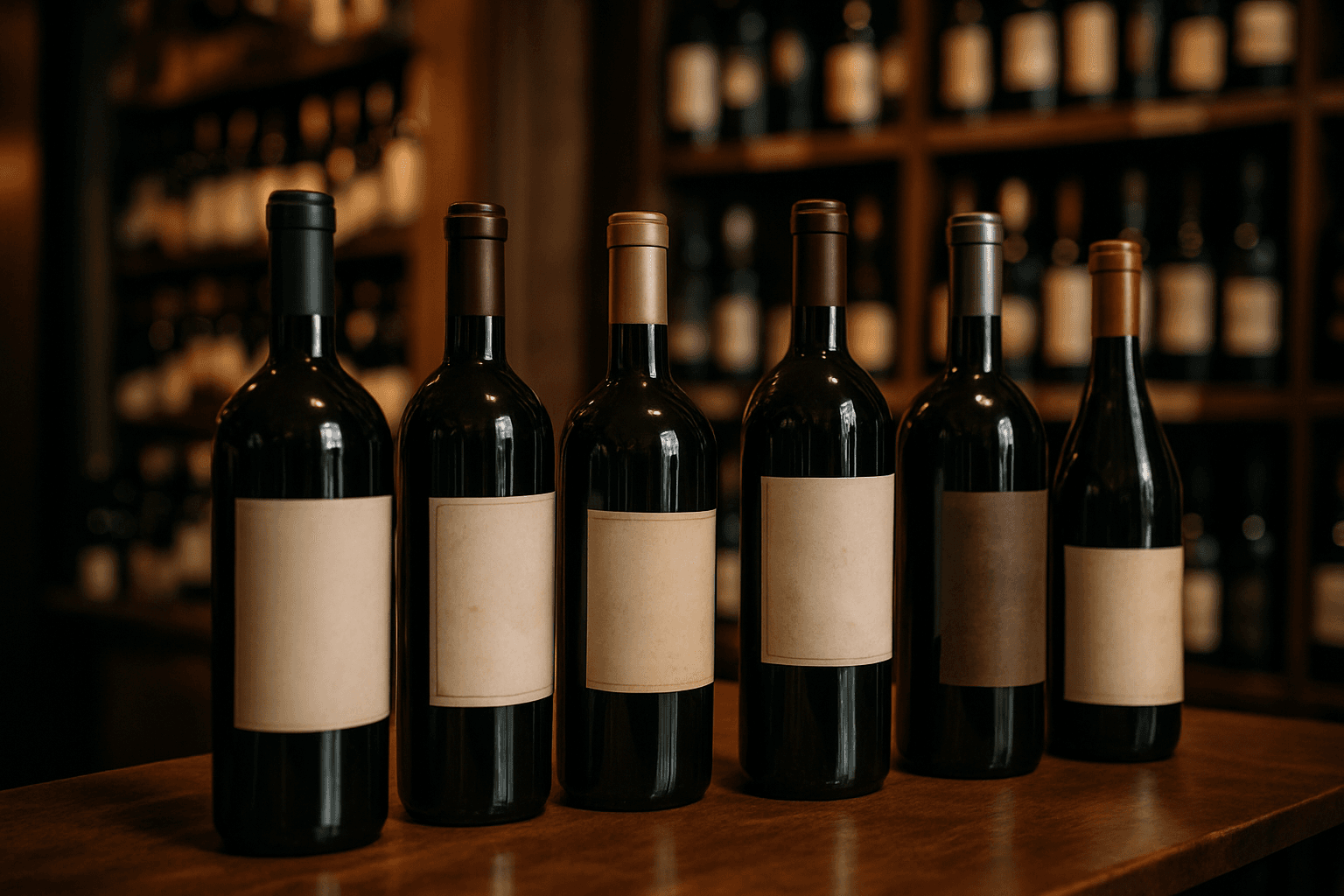
Discover how AI category analysis tools help liquor retailers understand the growing shift from Sangiovese to indigenous Italian varieties and international grapes.
- The Italian Wine Puzzle: Why Indigenous vs. International Varieties Matter
- What AI Category Analysis Actually Means for Wine Retail
- Decoding the Shift: Sangiovese, Gaglioppo, and the International Challenge
- How AI Identifies the Indigenous vs. International Preference in Your Store
- Practical Steps: Using AI Insights to Optimize Your Italian Wine Section
A customer walks into your store on a Saturday afternoon. She knows she likes Italian red wine, something smooth, with character, but she freezes in the Italian reds section. Montepulciano? Gaglioppo? There's a Sangiovese she recognizes, but then she spots a bottle with a familiar-sounding name on the label: Merlot. She reaches for it.
Sound familiar? For liquor retailers, this moment represents both a challenge and an opportunity. Italian wine's incredible diversity, hundreds of indigenous varieties alongside internationally recognized grapes, creates a rich but sometimes confusing landscape for customers. The question isn't just what to stock; it's understanding whether your neighborhood skews toward traditional Italian heritage or gravitates toward the comfort of familiar international names. That's where AI category analysis wine retail tools become genuinely useful.
The shift between indigenous and international varieties isn't happening uniformly across every store or every customer base. It's a local phenomenon, driven by local tastes, occasions, and demographics. And the technology to decode those preferences for your specific shop? It's more accessible now than ever before.
The Italian Wine Puzzle: Why Indigenous vs. International Varieties Matter
Italy's wine landscape rivals any country on earth for complexity and depth. With over 1,000 grape varieties, around 400 officially recognized, navigating Italian wine for your customers can feel like learning an entirely new language. This diversity isn't just academic. Indigenous varieties like Sangiovese, Gaglioppo, and Vermentino carry centuries of regional identity in every bottle. These grapes tell the story of specific hillsides, microclimates, and traditions that have shaped communities for generations. For customers who value authenticity and terroir, Italian wine indigenous varieties offer a connection to something deeper than a product on a shelf.
Meanwhile, international grape varieties like Merlot and Viognier have found comfortable homes in Italian vineyards. These familiar profiles appeal to customers who appreciate predictability, a wine that delivers consistent taste without requiring wine expertise. Here's where AI category analysis wine retail becomes a game-changer. AI adoption in beverage retail has reached an inflection point, opening new possibilities for independent stores. Modern wine category management AI tools can identify behavioral clusters and pinpoint which wine assortment might be missing based on local consumer palates. This means you can stop guessing whether your neighborhood skews toward traditional Italian heritage or prefers the comfort of international styles, and start merchandising with confidence.
What AI Category Analysis Actually Means for Wine Retail
Think of AI category analysis as a highly observant assistant who never sleeps. It watches your sales, notices which customers reach for that Montepulciano, and tracks the Tuesday evening browsers who always linger in the Italian reds section before heading to checkout. AI category analysis wine retail tools use machine learning to examine sales patterns, customer behavior, and market trends to inform inventory and merchandising decisions. Unlike generic industry reports that tell you what's happening nationally, these systems analyze your specific store's data and your local customers' actual tastes. This means understanding that your customers' purchasing habits, not industry averages, should drive your Italian wine selection.
Modern tools have democratized capabilities once reserved for major chains. AI tools can identify behavioral clusters, groups of customers with similar purchasing patterns, that help retailers understand which wines resonate with which shoppers. They can also help with wine category management AI by flagging which international grape varieties wine customers in your area prefer versus Italian wine indigenous varieties. The key is that AI doesn't replace your wine knowledge, it amplifies it. Platforms like Tastry help identify category gaps in specific areas, telling you which wines your particular customer base might be asking for that you haven't stocked yet.
Decoding the Shift: Sangiovese, Gaglioppo, and the International Challenge
Italian wine tells a story through family trees. Italy has over 1,000 grape varieties, with around 400 officially recognized. Understanding these lineages helps explain why your customers gravitate toward certain bottles. Take Gaglioppo from Calabria, this indigenous grape shares genetic roots with Sangiovese, meaning when someone falls in love with a Chianti Classico, they might find unexpected joy in a Gaglioppo-based Cirò. Indigenous varieties form the backbone of Italian wine identity, and many customers, once they understand the heritage, develop genuine loyalty to these regional characters.
That said, AI category analysis wine retail is revealing an important pattern: some customers reach for international grape varieties because they're seeking approachability. A Napa Merlot or Bordeaux blend offers a familiar comfort that can feel less intimidating than navigating unfamiliar indigenous names. This isn't happening uniformly across your customer base, it's concentrated in specific shopping occasions or preferences. This pattern might appear in newer wine drinkers seeking approachable styles, while seasoned enthusiasts remain committed to Italian heritage grapes. This is exactly where wine category management AI becomes invaluable. Rather than choosing between Italian wine indigenous varieties and international grape varieties wine, modern retailers use AI tools to identify category gaps and understand which wines their specific market might be missing. The goal isn't replacing Montepulciano with Merlot, it's having the right bottle for every customer who walks through your door.
Discover how AI category analysis tools help liquor retailers predict grape varietal demand shifts like the Syrah rev...
How AI Identifies the Indigenous vs. International Preference in Your Store
Understanding whether your customers lean toward Italian wine indigenous varieties or international grape varieties wine starts with decoding their actual buying behavior, not guessing. Modern AI category analysis wine retail tools have reached a point where they can segment your customer base with surprising precision. AI tools can identify behavioral clusters that reveal purchasing patterns, helping you understand which buyers stick to familiar international standards and which show appetite for more regional Italian offerings.
Once you understand the patterns, the next step is identifying the specific gaps in your assortment. Platforms like Tastry AI use consumer analytics to determine which wines your store might be missing based on local palate preferences. This kind of wine category management AI capability lets you move beyond generic category knowledge and into decisions rooted in your actual customer base. With Italy having over 1,000 grape varieties and around 400 officially recognized, the sheer choice can feel overwhelming. But AI helps you cut through that complexity by showing which styles your customers gravitate toward and when they're most likely to experiment with unfamiliar varieties. These insights allow you to answer a critical question: does your customer base skew toward traditional Italian palates or adventurous tasters open to international influences? Your answer shapes everything from shelf allocation to staff recommendations.
Practical Steps: Using AI Insights to Optimize Your Italian Wine Section
AI category analysis wine retail lets you move beyond guesswork when building your Italian section. Start by using AI to scan your sales data and identify category gaps, you might discover that while your Sangiovese moves consistently, customers in your area are hungry for lesser-known indigenous varieties you haven't stocked. Platforms like Tastry AI identify category gaps based on consumer palates in a specific area, helping you stock underrepresented Italian wine indigenous varieties that your local market actually wants.
AI tools excel at identifying behavioral clusters that human observation might miss. They can recognize patterns that let you allocate shelf space for international grape varieties wine strategically, ensuring your Italian section matches actual demand patterns rather than gut feeling.
Once you know which varieties resonate locally, AI-powered inventory tools help personalize the shelf experience for your specific customer base. Create dedicated sections that tell the story of indigenous grapes like Molinara and Gaglioppo, varieties that exist among Italy's over 1,000 grape varieties, with around 400 officially recognized, while maintaining a strategic offering of international varieties your customers expect. This storytelling approach educates shoppers while keeping familiar options accessible.
Wine category management AI doesn't just optimize what you stock, it helps you adjust your Italian wine mix seasonally. Monitor AI-generated insights monthly to understand how preferences evolve throughout the year. A customer seeking light whites in summer might shift toward fuller-bodied reds by fall. Using these insights to rotate your assortment reduces waste, ensures shelves match demand, and creates a shopping experience that feels tailored to your community's evolving tastes.
Real Results: AI Category Analysis in Wine Retail
Retailers using AI category analysis wine retail tools often uncover hidden gems in their inventory. With Italy having over 1,000 grape varieties, around 400 officially recognized, you're likely overlooking bottles that could resonate with your customers. AI category analysis helps identify which lesser-known indigenous varieties align with local palate preferences, opening doors to unique selling opportunities you never knew existed.
These tools excel at revealing category gaps. Tastry AI, for example, identifies which wines your assortment might be missing based on consumer tastes in your specific area. That means you can stock confidently knowing there's actual demand, not just industry buzz, backing your selections.
Generic marketing blasts are dead. AI-powered personalization engines analyze purchase history, basket composition, a...
The biggest mistake? Chasing national trends without local validation. International grape varieties wine might dominate trade publications, but your customers might not follow suit. AI helps prevent overcommitting shelf space to varieties that show promise broadly but underperform in your neighborhood.
Here's the key: let AI inform your decisions, not replace them. Balancing data insights with your curatorial voice ensures you don't become a generic warehouse. You're the expert, AI simply helps you prove it with confidence. Start with one category, your Italian wines, and expand wine category management AI as you see results.
Your Next Steps: Bringing AI Category Analysis to Your Italian Wine Selection
The good news: AI category analysis wine retail tools are no longer just for big chains. AI adoption in beverage retail has reached an inflection point, making these tools accessible for independent stores of all sizes. Start by running a report on your current indigenous versus international sales patterns. Look for gaps where Italian wine indigenous varieties are underperforming relative to customer demand.
Don't overhaul your entire Italian section at once. Pick one zone of your wine display, maybe a regional shelf or price tier, and test AI recommendations there first. Monitor results for 4-6 weeks before rolling out storewide.
AI category analysis tools can identify behavioral clusters in your customer base, revealing which buyers respond to which grape stories. Use these insights to train your staff. When a customer reaches for a Pinot Grigio, your team can gently introduce them to Pecorino, an indigenous variety they might never have considered. Data becomes a selling point when it helps your team tell the story behind the bottle. The variety conversation starts with knowing what's already working in your store.
Here's the truth: your Italian wine section tells a story about your customers. The grapes on your shelves, Sangiovese alongside Merlot, Gaglioppo near Pinot Grigio, reflect the collective palate of your community. AI category analysis wine retail doesn't rewrite that story. It helps you tell it better. It reveals what's already working, surfaces opportunities you've been missing, and gives you the confidence to stock with intention rather than intuition.
The shift between indigenous and international varieties isn't a problem to solve, it's a conversation to facilitate. Some customers want heritage. Others want comfort. Your job is making sure you have the right wine for each conversation. AI gives you the map. The storytelling is still yours.
Ready to decode your customers' preferences? Start with a single section of your Italian wine display. Run the data, listen to what it tells you, and watch how AI category analysis wine retail transforms your inventory decisions from guesswork to strategy. Your customers are already speaking through their purchases, let AI help you understand the language.