The Syrah Revival: AI Category Analysis Tools for Retailers Spotting Emerging Grape Varietal Demand Before Regional Competitors
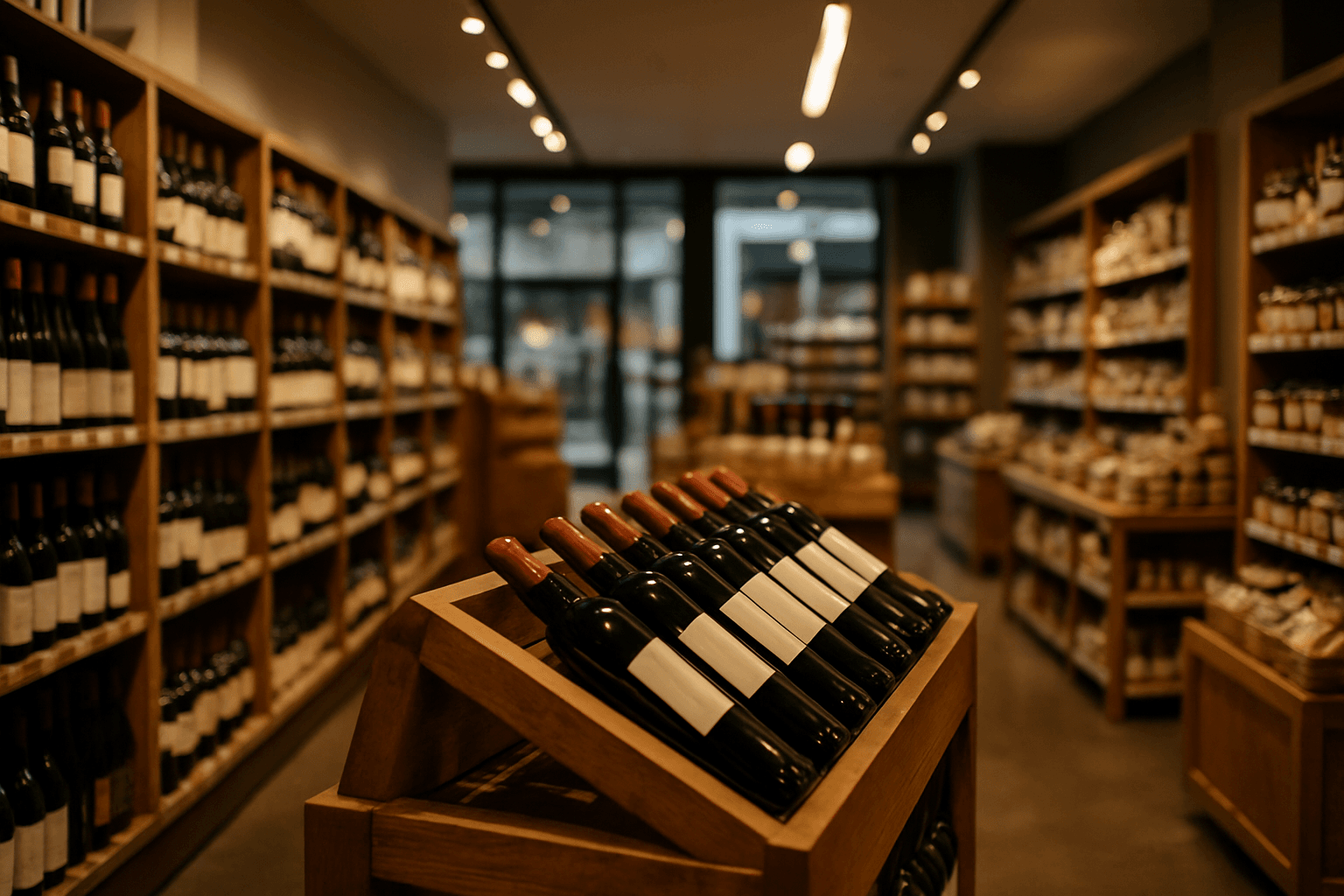
Discover how AI category analysis tools help liquor retailers predict grape varietal demand shifts like the Syrah revival before regional competitors.
- Why the Syrah Revival Is a Case Study in Missed Opportunities
- AI Category Analysis Tools: Turning Category Management Predictive
- How Retail Demand Forecasting Works for Wine Buyers
- Spotting Emerging Grape Varietal Demand Before It Hits Your Shelves
- Practical Applications: AI Tools Every Wine Retailer Can Use Today
You've seen it happen. A grape variety quietly builds buzz among wine enthusiasts, sommeliers start recommending it more, and then suddenly it's everywhere. By the time most retailers adjust their buying patterns, the early-positioned stores have already captured the customers and the margins.
This scenario plays out repeatedly in wine retail, and Syrah is the perfect case study. After years in the shadow of Pinot Noir and Cabernet Sauvignon, Syrah has been quietly reclaiming attention from sommeliers, wine writers, and consumers seeking bold, expressive reds. The retailers who stocked up early are now reaping the benefits. The ones who waited? They're scrambling to catch up, often paying higher wholesale prices as allocation tightens.
Grape varietal trends move faster than traditional buying cycles can track. Reactive inventory management means you're always chasing the wave instead of riding it. But what if you could spot the next Syrah before the surge hits? That's exactly what AI category analysis tools are designed to do, and the retailers using them are gaining a serious competitive edge.
Why the Syrah Revival Is a Case Study in Missed Opportunities
The pattern every retailer knows too well
Grape varietal trends move faster than traditional buying cycles can track. Reactive inventory management means you're always chasing the wave instead of riding it. The Syrah revival represents exactly the type of shift that AI category analysis tools can detect early, before the trend hits mainstream visibility and margins get compressed by overcompetition.
What "too late" actually costs your store
Missing an emerging trend means losing margin to competitors who positioned themselves ahead of the curve. The shift from reactive to predictive category management represents a significant opportunity for retailers who want to stay ahead. Many brands find that embracing these new approaches delivers measurable competitive advantages.
For beverage retail, AI represents not just efficiency, but competitive positioning. The retailers who spot the next Syrah before it explodes aren't luckier, they're using better tools to read the signals.
AI Category Analysis Tools: Turning Category Management Predictive
From retrospective to real-time discipline
For years, category management felt like driving while looking in the rearview mirror. You'd analyze last quarter's sales, draw conclusions, and place orders based on what already happened. This fundamental shift in how retailers approach category management is opening new possibilities for spotting emerging trends in wine purchasing patterns.
This shift matters enormously for spotting shifts in grape varietal demand. When Syrah starts gaining traction in your market, traditional analysis might show the trend after it's already peaked. AI category analysis tools change that equation entirely, giving you visibility into emerging patterns as they develop.
Qualitative meets quantitative data
Modern AI category analysis tools can combine multiple data streams, enabling category managers to make more informed decisions and optimize procurement strategies. These tools synthesize point-of-sale data, market trends, consumer sentiment, and competitive intelligence simultaneously, helping wine buyers understand not just what sells, but the rhythm of when and why.
Previously, category managers relied heavily on historical sales figures. Now, these tools process multiple data points at once, giving you a clearer picture of where the market is heading rather than where it's been. For beverage retail, this means you can identify the next Syrah revival before your competitors stock their shelves. That's the competitive edge your store needs.
How Retail Demand Forecasting Works for Wine Buyers
Understanding the prediction engine
At its core, retail demand forecasting is a statistical prediction of the willingness of consumers to purchase specific products, at a specific price, in a specific time frame. This foundational definition helps businesses anticipate demand changes, ensure optimal product availability, reduce waste, and drive profitability. For wine buyers, this means understanding not just what sells, but the rhythm of when and why.
Discover how AI category analysis tools help liquor retailers understand the growing shift from Sangiovese to indigen...
Modern AI category analysis tools are elevating this process by combining both quantitative sales data and qualitative market insights. This means wine buyers can move from reacting to trends to anticipating them before competitors catch on.
Why traditional forecasting fails wine retail
Generic forecasting models often miss wine-specific signals like vintage variations and regional marketing campaigns. These nuances can significantly shift grape varietal demand, yet standard approaches treat all bottles of the same grape the same.
The limitation of traditional models isn't just technological, it's contextual. A forecasting model built for widgets doesn't understand that a spectacular 2019 Napa Cabernet vintage might spark sudden demand spikes, or that a regional marketing push from a Southern Hemisphere producer could shift preferences in your market overnight. Leveraging AI category analysis tools built for beverage retail helps stores recognize these wine-specific patterns and stock accordingly.
Spotting Emerging Grape Varietal Demand Before It Hits Your Shelves
Signals AI Detects That Humans Miss
Traditional category management relies on historical sales data and intuition. AI category analysis tools take a fundamentally different approach. These systems continuously scan purchasing patterns, online search trends, and distributor shipment data to identify subtle shifts in consumer preferences before they become obvious on your shelves.
For grape varietal demand, this means catching the early signals, perhaps a neighboring region's spike in Pinot Blanc searches, or a distributor suddenly fielding more inquiries about Iberian whites, that human buyers might dismiss as noise.
The Competitive Advantage of Being First
When AI category analysis tools flag an emerging varietal trend, you're positioned to act while competitors are still watching last quarter's numbers. This early detection allows retailers to secure allocation from producers before scarcity drives prices up. Those first-mover relationships with distributors often become long-term competitive advantages.
Applied to your wine program, this means less dead shelf space on yesterday's trends and more prominence for tomorrow's winners. Regional competitor behavior creates data patterns that AI recognizes as leading indicators. When three stores in an adjacent market all start expanding their Rosé footprint, that pattern signals something worth investigating, possibly a grape varietal demand shift heading your way.
Practical Applications: AI Tools Every Wine Retailer Can Use Today
The buzz around AI category analysis tools can feel overwhelming, but here's the good news: you don't need a data science degree to put these technologies to work. Modern AI solutions are designed to fit naturally into how you already run your store.
Inventory Personalization Without Complexity
Gone are the days of one-size-fits-all shelf layouts. AI-driven inventory tools can help personalize shelves based on your specific customer base, reduce waste by anticipating which varietals will move, and create more tailored shopping experiences that keep customers coming back. Think of it like having a smart assistant that learns your store's unique sales patterns and helps you stock smarter, not harder.
Pricing Strategy Informed by Real-Time Demand
Dynamic pricing sounds complicated, but AI makes it accessible. Real-time demand data allows you to adjust pricing based on what's actually happening in your market, not guesswork. These tools help you stay competitive without spending hours manually monitoring competitors.
Liquor store zoning restrictions are spreading fast. Learn how new location limits impact expansion plans and how AI ...
Visual Merchandising Insights
For retailers selling wine online or through digital displays, visual merchandising tools can help identify which product presentations resonate with shoppers. This means you can test different layouts, imagery, and groupings and see what actually converts.
The grape varietal demand shift toward Syrah? AI category analysis tools can help you spot it before your competitors do, and react accordingly.
Building Your AI-Powered Category Strategy
Start with your data foundation
Before chasing varietal trends, take stock of what you already have. Your point-of-sale history, supplier pricing sheets, and customer purchase records form the baseline that modern AI category analysis tools can transform into actionable insights. The key insight here: you don't need enterprise-level budgets to get started. Many cloud-based platforms now offer scalable pricing that fits single-store operations.
Prioritizing varietals for monitoring
Not every grape deserves equal attention. Focus your monitoring efforts on premium and mid-tier segments where trend adoption typically emerges first, these price points attract the adventurous consumers who drive new varietal interest. When Syrah or other emerging grapes start showing up in search queries or social media mentions within these tiers, your monitoring systems should flag it.
Setting up alerts for trend signals
Establish clear thresholds for when data signals trigger buying action. Rather than reacting to every small fluctuation, define meaningful movement criteria, perhaps a sustained uptick in sales velocity over several weeks or multiple wholesale inquiries about a specific varietal. AI category analysis tools allow you to configure these parameters so your team receives alerts only when action is warranted. This turns AI from interesting technology into a practical buying discipline.
The Future of Wine Retail Belongs to the Prepared
The Syrah revival isn't an anomaly, it's a preview of how wine retail will work going forward. The next grape varietal demand opportunity may already be forming in your sales data right now, but without the right tools, you'll miss the signals until it's too late.
Retailers adopting AI category analysis tools early are positioning themselves with structural advantages over those who wait. They're securing better allocation, building stronger distributor relationships, and capturing margins while competitors scramble to catch up.
The technology is more accessible than you might think. You don't need a data science team or enterprise budget to get started. Many cloud-based platforms now offer scalable solutions designed for single-store operations. Your existing sales data is the foundation, AI just makes it speak.
The question isn't whether AI will transform wine retail. It already is. The question is whether you'll be among the first to ride the next wave, or whether you'll spend the next few years chasing trends you should have seen coming.
Your next Syrah is out there. AI category analysis tools can help you find it first.