How Beverage Distributors Can Build a Real-Time Retail Execution Dashboard With AI-Pulled Depletion and Shelf Data
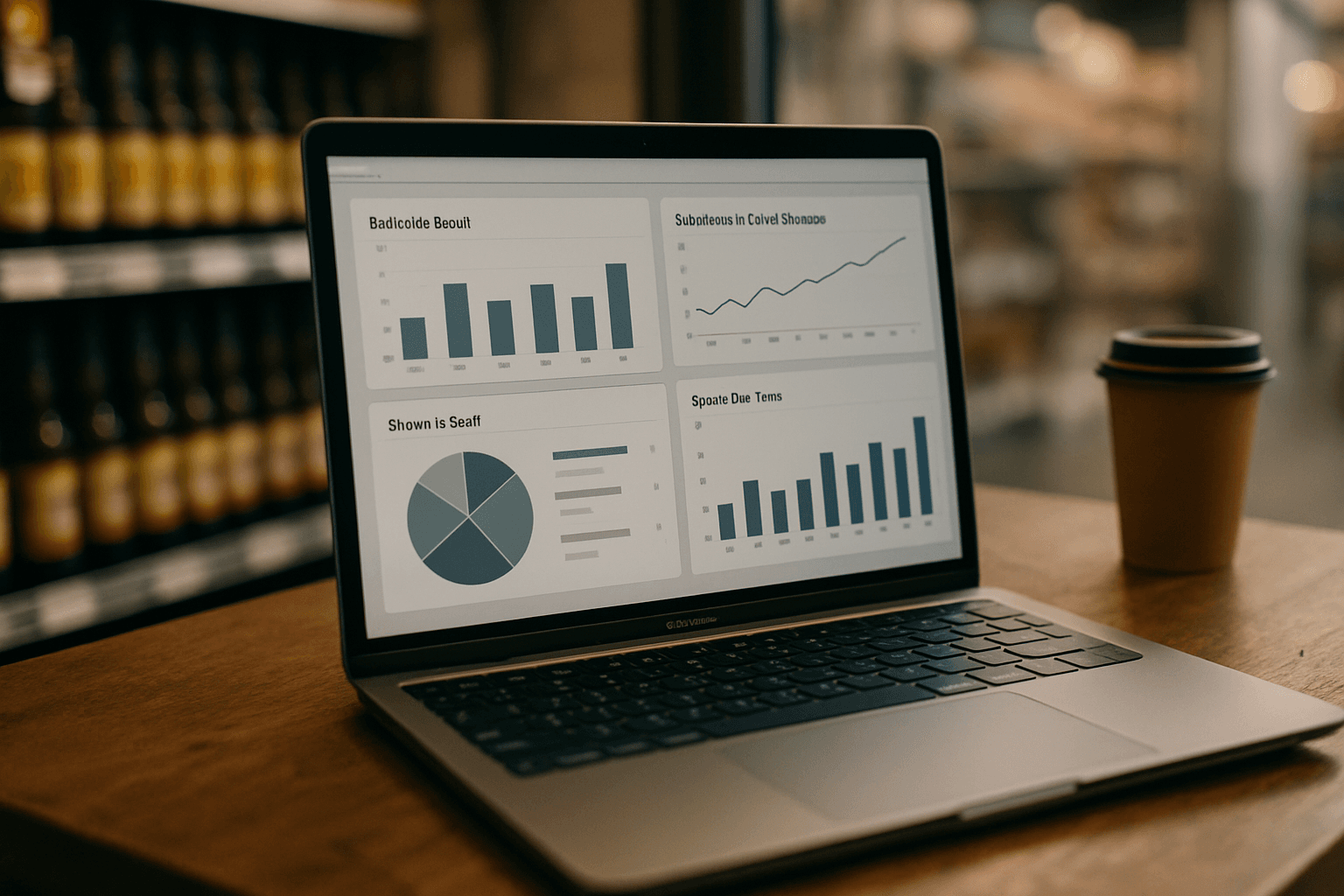
Build a retail execution dashboard that pulls real-time depletion and shelf data with AI. Learn how beverage distributors can modernize their analytics.
- Why Beverage Distributors Need More Than Spreadsheets
- What Is a Retail Execution Dashboard?
- The Data Sources That Power Your Dashboard
- How AI Transforms Raw Data Into Actionable Insights
- Building Your Real-Time Retail Execution Dashboard
Picture this: it's Monday morning, and you're preparing for a meeting with your sales team. You pull up your trusty spreadsheet to review last week's performance, but the numbers are stale. That store visit data? Submitted last Wednesday. The shelf compliance report? Still waiting on photos from reps who were in the field Friday. By the time you piece together what's actually happening at retail, you're already a week behind.
For beverage distributors, this scenario feels painfully familiar. The gap between what happens in stores and what you know about your business creates a fog that makes strategic decisions feel like educated guesses. Field reps are out there every day, but the information they gather takes too long to reach decision-makers in a useful form. And when data arrives late, it loses its power to drive action.
That's exactly why forward-thinking distributors are turning to a retail execution dashboard, a centralized platform that pulls real-time depletion and shelf data together so your team can see what's actually happening right now, not days ago. This isn't just about prettier charts. It's about finally closing the loop between the field and the boardroom.
Why Beverage Distributors Need More Than Spreadsheets
The Pain of Delayed Reporting
Many beverage distributors struggle without strong reporting platforms to get a clear picture of what's actually happening in the field. Field reps submit photos and reports that arrive days or even weeks late, by which point the data no longer reflects current shelf conditions. When information is outdated, teams stop trusting it, and usage drops off entirely. Sales managers end up making decisions based on guesswork rather than what the market is actually telling them.
What You Gain With Real-Time Visibility
A modern retail execution platform changes everything. Real-time field data, including store visits, display execution, and rep activity, gets consolidated into a single view you can access anytime. Instead of waiting for weekly summaries, you can monitor AI depletion data and real-time shelf monitoring as events unfold.
Dashboards offer real-time visualizations allowing you to track and analyze critical KPIs and metrics as they happen. This means you can spot problems, like an empty shelf at a key account or a competitor gaining ground, before they become lost sales. For beverage distributor analytics, this means capturing opportunities the moment they appear and keeping your team aligned around current market realities instead of yesterday's assumptions.
What Is a Retail Execution Dashboard?
A retail execution dashboard is a centralized view that brings together all your field operations data in one place. Instead of juggling spreadsheets, emails, and separate systems, distributors can access a unified platform that shows what's happening across every store.
A Single View for Field Operations
Think of a retail execution dashboard like the mission control center for your distribution business. It pulls together real-time field data including store visits, display execution, and rep activity into consolidated views that anyone on your team can access instantly. Modern alcohol retail dashboards consolidate sales, promotions, customer data, and liquor inventory management into a single view, replacing the guesswork of scattered reports with clear, actionable visibility.
Unlike traditional static reports that require manual updates and show you yesterday's numbers, dashboards offer real-time visualizations allowing you to track and analyze critical KPIs and metrics as they happen. This means you can spot problems, like an empty shelf or a missed store visit, before they become lost sales.
Discover 7 warning signs of supplier financial distress that AI depletion data analytics can detect early. Protect yo...
Core Components Distributors Need
For beverage distributor analytics to actually work in practice, your retail execution dashboard needs to handle several key functions. First, it should pull in AI depletion data so you understand what's actually selling through at each location. Second, real-time shelf monitoring ensures you catch out-of-stock situations immediately rather than discovering them during the next scheduled visit.
The best dashboards consolidate this information into one interface, making it simple for managers and reps alike to see performance, prioritize their day, and prove the value of their work on the ground.
The Data Sources That Power Your Dashboard
Building a powerful retail execution dashboard starts with understanding which data streams you need to pull together. For beverage distributors, that means three core categories working in harmony.
Depletion Data: Knowing What Sells
Depletion data shows actual sales velocity at the store level, revealing which products move and which sit. This is your ground-level view of the market, real evidence of what retailers are actually selling to consumers, not just what you've shipped to them.
With AI depletion data in the mix, you can unlock much deeper insights. Big data enables distributors to perform price elasticity studies, competitive pricing analysis, and demand forecasting. Modern alcohol retail dashboards consolidate sales, promotions, customer data, and liquor inventory management into a single view, making these advanced analytics accessible without needing a data science degree.
Shelf and Display Execution Data
Display execution data confirms whether your promotional displays were set correctly and on time. Without tracking this, you're essentially hoping your marketing investments actually materialized on the shelf. Real-time shelf monitoring closes that gap by giving you visibility into what consumers actually see when they walk the aisle.
Rep Activity and Store Visit Tracking
Your field team is your feet on the street, and store visit tracking ensures your reps are reaching their accounts consistently. Retail execution dashboards consolidate real-time field data including store visits, display execution, and rep activity into one place. This connects the dots between what your team does in the field and the sales results you see at the register.
When all three data streams flow into your dashboard, you stop flying blind and start making decisions based on what's actually happening in the market.
Discover 7 critical AI depletion data triggers liquor retailers need to watch when national brands launch RTD product...
How AI Transforms Raw Data Into Actionable Insights
AI-Powered Data Processing Explained Simply
Think of AI as a tireless assistant who never sleeps and never makes transcription errors. Rather than your team spending hours manually pulling reports and reconciling spreadsheets, AI-powered tools automatically aggregate and organize data as it arrives, whether that's point-of-sale data, promotional spend, or shelf inventory levels.
Modern retail execution dashboards consolidate sales, promotions, customer data, and liquor inventory management into a single view. This means instead of bouncing between five different systems to piece together what's happening at retail, your team sees everything in one place, updated in real time.
Agentic Teammates That Work Behind the Scenes
Here's where things get exciting. New AI-powered tools are emerging that act like agentic teammates, autonomous systems that work behind the scenes to process data for business users without constant supervision.
These digital teammates don't just collect information. They use machine learning to identify patterns, patterns like which displays drive the most depletion, which stores are underperforming, or which promotional timings yield the strongest results. And the best part? You don't need a data science degree to benefit from these insights. The AI translates complex analysis into plain-language recommendations your sales team and account managers can act on immediately.
Retail execution dashboards consolidate real-time field data including store visits, display execution, and rep activity. When AI handles the heavy lifting of data processing, your team focuses on what they do best: building relationships and closing deals.
Building Your Real-Time Retail Execution Dashboard
Essential Features for Beverage Distribution
A solid retail execution dashboard should consolidate your most critical business data into one view. Modern alcohol retail dashboards can consolidate sales, promotions, customer data, and liquor inventory management into a single view. Your dashboard needs direct connections to POS data, field reporting apps, and inventory systems so nothing falls through the cracks. Focus first on the metrics that drive your business, depletion rates, shelf compliance, and rep visit frequency give you immediate visibility into whether your products are moving and your team is showing up.
Choosing the Right Technology Stack
When selecting your tech, look for platforms that offer real-time visualizations of data, allowing you to track and analyze critical KPIs and metrics. For beverage distributor analytics specifically, you'll want solutions that support AI depletion data pulled automatically from retail partners rather than relying on manual entry. Retail performance dashboards provide real-time data and insights on sales, inventory, profitability and more, essential for staying competitive. Many distributors partner with providers offering real-time reporting and business intelligence services designed for beverage distribution to track sales and manage programs.
Phased Implementation Approach
Don't try to build everything at once. Start with your core metrics, then expand as your team gets comfortable. This approach lets you prove value quickly while building toward comprehensive real-time shelf monitoring capabilities.
U.S. Champagne shipments reached 26.9M bottles in 2024. Learn how champagne depletion data helps retailers forecast d...
Measuring Success: KPIs for Your Dashboard
Execution Metrics That Matter
Your retail execution dashboard should track the metrics that directly impact your bottom line. Focus on shelf compliance percentage, display execution rates, and average depletion per store, these data points give you a clear picture of how well your products are performing at the retail level.
Beyond product metrics, monitor rep visit completion rates and time spent in each account. This helps ensure your team is making the most of every store visit. Modern alcohol retail dashboards consolidate sales, promotions, customer data, and liquor inventory management into a single view, making it easier to spot patterns across your territory.
Connecting Dashboard Data to Business Outcomes
Your retail execution dashboard becomes a strategic tool when you use competitive pricing analysis from the data to inform pricing strategy. Real-time shelf monitoring powered by AI depletion data lets you respond to market changes faster than competitors still relying on manual reporting.
Beverage analytics for distributors helps transform field data into actionable insights. When your beverage distributor analytics platform connects field data with sales outcomes, you can finally prove ROI on every display placement and store visit.
The goal isn't just collecting data, it's building a system where every metric connects to a decision that improves your business.
Building a real-time retail execution dashboard isn't just a tech upgrade, it's a fundamental shift in how your distribution business operates. When your team can see what's happening at the shelf level as it happens, you stop leaving money on the table. Missed displays get caught before the promotion ends. Empty shelves trigger immediate action instead of waiting for the next scheduled visit. Your reps spend their time on what matters most: building relationships with retailers and closing deals.
The path forward doesn't have to be overwhelming. Start with your most critical data streams, choose a platform that brings AI-powered depletion data and field insights together, and expand as your team builds confidence in the system. The distributors who are winning today aren't necessarily the ones with the biggest teams or the most SKUs, they're the ones who know their markets fastest and can act on that knowledge before the competition even realizes what's happening.
Ready to see what real-time visibility could do for your distribution operation? The technology is more accessible than you might think, and the competitive advantage you'll gain is worth every step of the journey. Reach out today to schedule a demo and discover how a retail execution dashboard could transform your business.