7 Social Media Demand Sensing Triggers Every Liquor Retailer Should Monitor
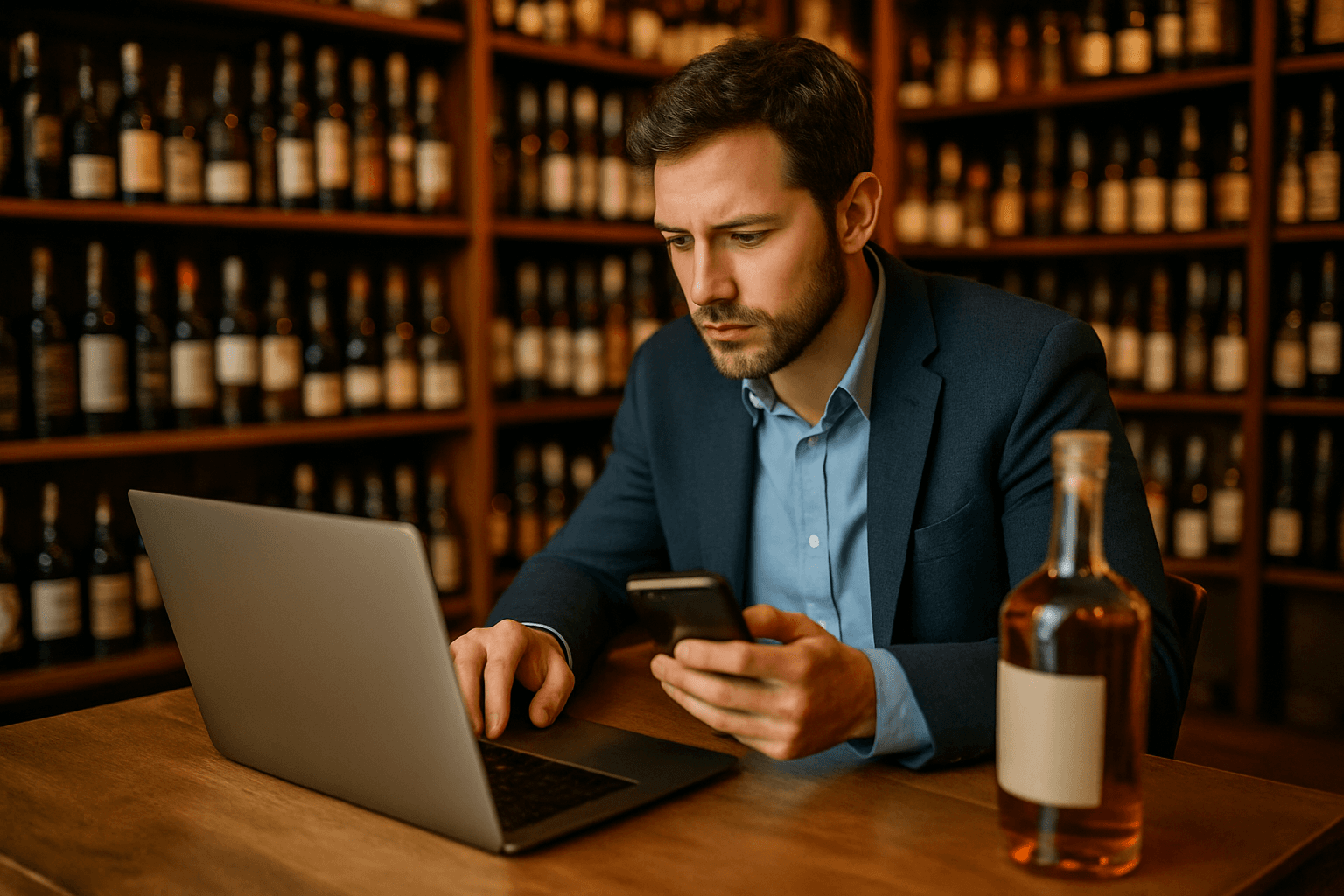
Discover 7 social media demand sensing triggers liquor retailers can track to predict flavor trends, stock smarter, and capitalize on crowdsourced launches.
- TL;DR
- 1. Monitor Flavor Conversation Volume Spikes by Region
- 2. Track Sentiment Shifts on Seasonal and Limited-Edition Launches
- 3. Watch Engagement Velocity on Crowdsourced Flavor Posts
- 4. Detect Location-Based Flavor Trends Before They Go National
TL;DR
- Real-time social conversation volume and sentiment shifts signal demand spikes before orders roll in
- Location-based trend detection helps independent stores act on hyperlocal flavor interests tied to regional events
- Engagement velocity on flavor crowdsourcing posts predicts which seasonal SKUs will dominate shelves
- Competitor social activity monitoring reveals which products are gaining traction across rival stores
- Connecting social signals to AI demand forecasting creates a closed-loop system that eliminates stockouts
1. Monitor Flavor Conversation Volume Spikes by Region
Set up keyword alerts for flavor mentions across platforms like Instagram, TikTok, and X to catch sudden jumps before they hit your register. Social media demand sensing liquor trends can move fast, one moment a specific whiskey flavor is quiet, and the next it's everywhere because of a celebrity post or trending recipe. Free or low-cost social listening tools make this manageable for any size operation. These volume spikes often precede meaningful purchasing surges, giving you a critical window to adjust ordering before traditional sales data catches up. Think of forecasting as the linchpin holding your inventory together, when you sense demand shifting on social, you can react instead of scrambling after the fact.
2. Track Sentiment Shifts on Seasonal and Limited-Edition Launches
Watch social media conversations closely when seasonal or limited-edition products drop. When positive sentiment outpaces complaints about taste, availability, or price, that imbalance signals strong sell-through potential, act fast to stock up. Conversely, negative sentiment clusters flag demand risk and potential overstocking danger. The most accurate demand picture comes from layering sentiment scores with weather patterns and local event calendars. Retail media has become a significant digital ad channel, valued at $130B, $175B, and the data is there; your advantage is responding before competitors do.
3. Watch Engagement Velocity on Crowdsourced Flavor Posts
High engagement velocity, likes, shares, and comments accelerating rapidly from a post, signals real purchasing intent, making it a crucial demand sensing trigger for liquor retailers. When brands crowdsource flavors through platforms, consumer voting behavior amplifies into measurable demand. Retail media has become a significant digital ad channel in the U.S., valued at $130B, $175B, with Ben Tannenbaum noting ↗ how platform dynamics translate into sales momentum. Flag products with rapid engagement acceleration for immediate reorder review, even if historical data hasn't caught up yet.
Let our team show you what's possible.
our team specializes in social media strategies that drive real results. Let us show you what's possible.
Schedule a Call4. Detect Location-Based Flavor Trends Before They Go National
Social listening tools filtered by ZIP code or city reveal hyperlocal flavor preferences that national data completely misses. Gen Z isn't drinking more, they're drinking smarter, seeking digital, ethical, and curated experiences that shape regional demand patterns in ways that ripple across neighborhoods before they reach mainstream. Independent stores that spot a regional trend first can stock ahead of competitors and capture early demand before supply tightens. By monitoring localized conversations, you identify which flavors or categories are gaining traction in your specific market while national brands are still analyzing aggregate data. This first-mover advantage turns geographic insight into measurable inventory decisions.
5. Analyze Influencer and Creator Reach Around Specific Spirit Categories
Track which spirit categories influencers and creators are featuring to spot emerging demand before it hits your shelves. Influencer content mentioning liqueurs, flavored malt beverages, or ready-to-drink products moves purchase intent, people see a trending cocktail on their feed and walk into your store the next day. Retail media has become a significant digital ad channel in the U.S., valued at $130B, $175B, with creator partnerships becoming a key part of that ecosystem. Follow creators in the cocktail and spirits space, note which brands and categories are generating buzz, and stock accordingly. This type of social media demand sensing for liquor operators can implement daily takes minimal effort but reveals which categories are building heat ahead of mainstream visibility.
6. Benchmark Competitor Social Activity Against Your Own Assortment
Your competitors' social media promotions reveal which products are gaining market traction. Track which SKUs competitors feature most often, then cross-reference that data with your own inventory velocity. If a competitor consistently promotes a particular whiskey or spirit category and your sales data shows strong movement on similar items, that's a signal to expand your selection or increase allocation. This competitive social intelligence should feed directly into your category management and shelf allocation decisions. Liquor retailers can use this competitor signal alongside their internal sales data to make smarter buying decisions. Think of competitor social activity as free market research that tells you what's working for similar shoppers in your market.
7. Feed Social Signals Into AI Demand Forecasting for a Closed-Loop System
Demand sensing for liquor retailers starts with connecting real-time engagement signals to your AI forecasting engine. AI in beverage retail reached its tipping point in 2026 with significant implications for independent stores. LiquorChat reports machine learning models now ingest social signals alongside weather, events, and historical POS data to predict demand shifts traditional systems miss. Research shows teens and young adults exposed to alcohol promotions in social feeds are more likely to purchase, making social a leading indicator of what your customers want next. Rutgers University study ↗ on alcohol advertising confirms this connection between social exposure and purchasing behavior. When viral cocktail trends or local events drive online buzz, your AI adjusts reorder points automatically. This creates a feedback loop where social insights continuously sharpen forecast accuracy, reducing both stockouts and overstock.
Your customers are already telling you what they want, they're just doing it on social media instead of filling out comment cards. By monitoring these seven demand sensing triggers, you transform scattered online chatter into actionable inventory decisions that keep your shelves stocked with what sells. Start small with one or two signals, build the habit, and watch the gaps shrink over time. The stores that win in 2025 aren't the ones with the most data, they're the ones that react the fastest to what their customers are already saying.
Frequently Asked Questions
What is social media demand sensing for liquor retailers?
Social media demand sensing is the practice of monitoring real-time conversations, engagement patterns, and sentiment on platforms like Instagram, TikTok, and X to detect consumer purchasing intent before it shows up in point-of-sale data. For liquor retailers, it means catching flavor trends, crowdsourcing buzz, and regional preferences as they emerge, not after inventory runs out.
Why does social demand sensing matter for alcohol retail specifically?
The alcoholic beverage market moves fast on trends, especially with flavored, limited-edition, and crowdsourced products. Gen Z is drinking smarter, seeking curated and ethical experiences, which means their preferences shift quickly. Social media demand sensing gives independent liquor retailers a real-time window into those shifts so they can stock proactively rather than reactively.
What social platforms should liquor retailers monitor most closely?
Instagram and TikTok lead for visual flavor discovery and influencer-driven buzz, while X (formerly Twitter) captures real-time event reactions and trending moments. Reddit communities and local Facebook groups also surface hyperlocal flavor preferences that national platforms may miss. Focus monitoring on platforms where your customer demographic is most active.
How can an independent liquor store start using social demand signals without a large budget?
Free tools like Google Alerts, Instagram's search function, and TikTok's trending sounds offer entry-level social listening at no cost. Set up keyword alerts for flavor names, regional events, and popular spirit categories. As your comfort grows, affordable social listening platforms like Mention or Brandwatch offer tiered plans built for small retail operations.
What data should liquor retailers track first when starting out with demand sensing?
Start with three easy-to-track signals: conversation volume around specific flavors or brands, engagement velocity on brand and influencer posts, and sentiment (positive vs. negative tone) in comments. These three metrics require minimal tooling and deliver immediate actionable insight into which products deserve reorder attention.
How does social demand sensing connect to AI demand forecasting?
Social signals act as a real-time input layer for AI demand forecasting models that already process weather, events, and historical sales data. By feeding conversation volume and sentiment scores into these models, retailers create a closed-loop system where social buzz directly adjusts inventory recommendations, making forecasting the linchpin that holds the entire supply chain together more accurately.
Is AI adoption in beverage retail realistic for small independent stores in 2026?
Yes. AI adoption in beverage retail has reached a tipping point in 2026 with significant data implications for independent stores. Cloud-based demand forecasting tools have become accessible to single-location operators, and the entry cost continues to drop. Social media demand sensing feeds directly into these platforms, giving small stores a competitive edge previously available only to large chains.