10 Signs the Sparkling Wine Market Is Ready for a US Revolution (And What Every Liquor Store Owner Should Do About It)
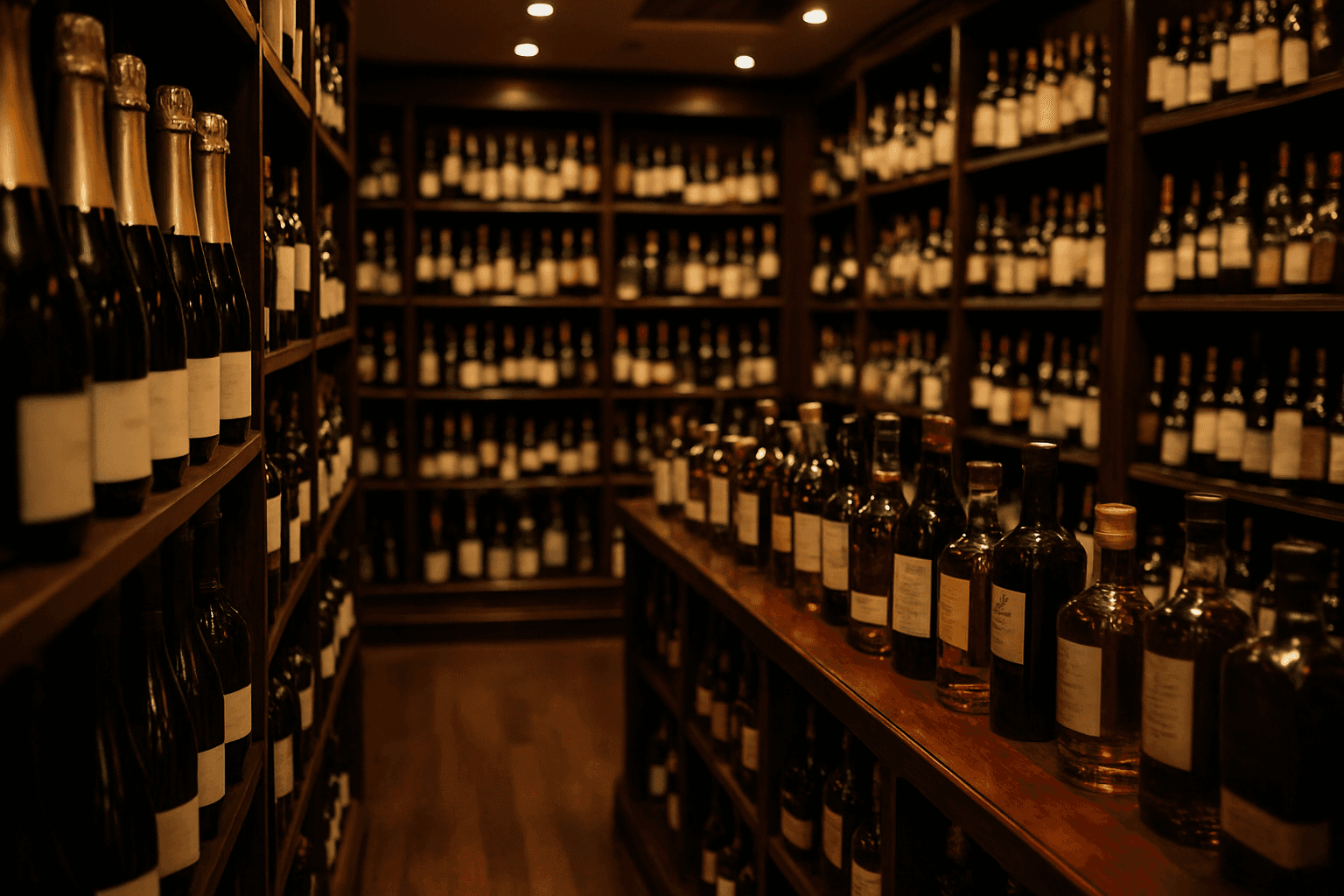
The global sparkling wine market is projected to reach $164.59B by 2034. Here's why US stores are perfectly positioned to lead the next big wave.
- TL;DR
- 1. The US Is Behind, and That's a $100 Billion Opportunity
- 2. Prosecco Keeps Rewriting the Record Books
- 3. Gen-Z Is Rewriting the Rules of Celebration Culture
- 4. Premiumization Is Reshuffling the Revenue Deck
Running a liquor store means watching trends come and go. But the sparkling wine wave building in the US isn't one to sit out. Here's what every independent retailer needs to understand about this moment, and how to turn it into sales.
TL;DR
- The global sparkling wine market is expected to hit $164.59B by 2034, but US growth is lagging, creating a massive opportunity gap
- Prosecco keeps breaking volume records in the US while domestic producers have room to capture market share
- Gen-Z consumers are driving a fundamental shift in how Americans discover, buy, and enjoy sparkling wine
- Premiumization and health-conscious drinking are rewriting what 'celebration wine' means, and who's buying it
- Liquor stores that act now on display, education, and digital strategy are positioned to lead the revolution; those that wait will play catch-up
1. The US Is Behind, and That's a $100 Billion Opportunity
The opportunity is clear: while the global sparkling wine market is on track to hit USD 164.59 billion by 2034 ↗ with a 9.06% CAGR, the US market is projected to grow at just +1% CAGR between 2022 and 2027 ↗. That gap isn't a sign of disinterest, it's untapped demand. American consumers have shown they want more: consumption grew by double digits from 2020 to 2022 (Daily Seven Fifty). For liquor store owners, this is the moment to stock up on the right SKUs and get ahead of beverage industry trends before the market catches up. Position yourself now, and you're not just selling wine, you're riding the wave.
Discover 9 critical luxury wine strategy moves for US liquor retailers, distributors, and brand managers navigating e...
2. Prosecco Keeps Rewriting the Record Books
If your Prosecco section feels like an afterthought, you're leaving sales on the table. This Italian sparkler has moved beyond "starter sparkling", repeat buyers are stocking up regularly, not just testing the waters. The double-digit consumption growth in sparkling wine from 2020 to 2022 (Daily Seven Fifty) proves US palates have permanently shifted past "sparkling = Champagne." With beverage industry trends pointing toward continued growth, the global sparkling wine market is expected to reach USD 164.59 billion by 2034 (Fortune Business Insights), Prosecco is leading the charge. Stock depth is no longer a differentiator; it's a baseline expectation. What sets top-performing stores apart now is curation, story-driven placement, and understanding which Prosecco styles keep customers coming back.
3. Gen-Z Is Rewriting the Rules of Celebration Culture
Gen-Z gravitates toward flavor-forward, ready-to-drink sparkling wines with compelling brand stories, traditional selections get passed over for more innovative options. They discover beverages through social platforms and prioritize experimentation over tradition. For liquor store owners, the action is clear: if your shelf doesn't reflect this appetite for innovation, Gen-Z walks right past it. The $36.7 billion sparkling wine industry estimated in 2022 (Daily Seven Fifty) is being reshaped by these shifting preferences, and double-digit consumption growth between 2020 and 2022 signals that these are lasting changes, not passing trends. Stores that cater to these preferences, especially in flavor-forward and ready-to-drink sparkling formats, may appeal strongly to the next generation of wine buyers.
Let our team show you what's possible.
our team specializes in digital marketing strategies that drive real results. Let us show you what's possible.
Schedule a Call4. Premiumization Is Reshuffling the Revenue Deck
Premiumization is a key growth driver fueling the sparkling wine market through 2035. The global market is projected to nearly triple from $61.9B to over $164B by 2034, and across beverage industry trends, consumers are consistently trading up, spending more per bottle for perceived quality. The premium tier has emerged as a significant growth segment in most markets, and the data supports the shift: consumption grew by double digits between 2020 and 2022 (Daily Seven Fifty). Liquor stores that curate a premium shelf section without overwhelming entry-level shoppers are winning on both volume and margin. The actionable move: give premium sparkling dedicated visibility and staff education, then let the trade-up happen naturally. Premiumization isn't a blip, it's reshaping where revenue concentrates in your sparkling section.
5. Health-Conscious Drinking Is Expanding the Buyer Pool
Stock your shelves with lower-ABV, low-sugar, and organic sparkling wines to capture the growing wave of health-conscious shoppers entering the beverage industry. As moderation-focused drinking gains traction, consumers who once reserved sparkling wine for holidays are now reaching for it at casual dinners, weeknight gatherings, and wellness-oriented occasions. This shift expands the buyer pool beyond traditional celebrations, creating fresh opportunities for stores that respond to these changing preferences. The sparkling wine industry was estimated at $36.7 billion in 2022 (Daily Seven Fifty), and with consumption climbing steadily, retailers who align their inventory with health and wellness priorities may attract first-time sparkling wine buyers who might otherwise choose kombucha or spiked seltzer. Meeting this demand isn't optional, it's a growth lever.
6. Post-Pandemic Demand Isn't a Fad, It's a Behavior Shift
The surge in sparkling wine sales during 2020-2022 wasn't a temporary lockdown splurge, it became permanent purchasing behavior. According to Daily Seven Fifty, sparkling wine consumption grew by double digits through 2020 to 2022, signaling a fundamental shift in how Americans incorporate bubbly into their lives. What started as a "treat yourself" pandemic purchase has normalized into an everyday occasion: consumers now reach for Prosecco on Tuesday dinner just as readily as they once saved it for holidays. This expanded occasions mindset puts sparkling wine in more shopping carts, more often. For liquor retailers, stocking the right everyday sparklers isn't optional, it's essential to capturing this permanent behavior shift driving beverage industry trends.
7. Sparkling Wine Education Is Widely Underserved at Retail
Train your staff to be sparkling wine guides. Most liquor stores lack employees who can confidently explain the difference between Prosecco, Crémant, and Cava, yet consumers actively seek guidance when shopping. A knowledgeable team member who can suggest a sparkling wine pairing turns a browsing customer into a repeat buyer. With the global sparkling wine market expanding from USD 61.9 billion in 2025 ↗ to projected USD 164.59 billion by 2034 ↗ per Fortune Business Insights, education becomes your competitive edge against mass retailers. This positions your store as the destination for customers navigating beverage industry trends.
8. Domestic Sparkling Producers Are Ready to Compete
American sparkling producers are raising their game, and early adopters stand to benefit most. Wineries from California to Virginia are now crafting traditional-method sparkling wines that rival European counterparts, giving you domestic options with strong margin potential and built-in "buy local" appeal. With IWSR forecasting US volume growth of +1% CAGR between 2022 and 2027, the timing to invest in these producers couldn't be better. A compelling origin story sets US-made bottles apart, and consumers hungry for local finds will reward stores that stock them. Securing shelf space now with emerging domestic producers builds supplier relationships and positions your store as the destination for American sparkling wine, before the category becomes crowded.
9. Digital Discovery Is Fueling In-Store Purchases
Your sparkling wine customers are scrolling Instagram and TikTok before they ever walk through your door. Digital discovery, online reviews, social media posts, and influencer recommendations, often leads them to purchase in-store. This represents a significant shift in how consumers research and purchase sparkling wine. Make sure your in-store display matches what customers see online; consistent visual storytelling closes those digitally-inspired sales. Think of social media as your free marketing team working overtime to send ready-to-buy shoppers your way.
10. The Window to Lead Is Narrow, and It's Open Now
The time to differentiate your sparkling wine program is now, not when every competitor has already done it. The sparkling wine market was estimated at USD 61.9 billion in 2025 (GM Insights), with projections reaching USD 164.59 billion by 2034 (Fortune Business Insights). This isn't some distant opportunity, consumption grew by double digits between 2020 and 2022 (Daily Seven Fifty), and generational shifts are reshaping what shoppers expect from their local store. Many stores have not yet built the expertise or selection required to lead this category. Stores that move decisively may well own the shelf space and supplier relationships that latecomers will have to buy at premium prices. Waiting means competing on price in a commoditized market. The revolution is here, your shelf is the front line.
The data tells a clear story: American consumers have permanently changed how they buy and enjoy sparkling wine, and the US market is years behind global growth curves. This gap is your opportunity. Stock strategically, train your team, and position your store as the sparkling destination before the category fills up with competitors racing to catch up.
Frequently Asked Questions
How big is the sparkling wine market and what is its growth trajectory?
The global sparkling wine market was estimated at $61.9 billion in 2025 and is projected to reach $164.59 billion by 2034, expanding at a 9.06% CAGR during that period (GM Insights; Fortune Business Insights). While US growth is currently more modest at +1% CAGR (2022–2027), this gap between domestic and global performance signals significant untapped opportunity for US retailers.
Why is US sparkling wine growth lagging behind global trends?
IWSR data shows US volume growth at +1% CAGR between 2022 and 2027, while the global market is expanding at nearly 9%. This gap may reflect limited retail variety, underinvestment in sparkling wine displays, and insufficient staff education, all factors that forward-thinking liquor store owners can address immediately to capture share.
How is Gen-Z changing the sparkling wine market?
Gen-Z consumers are influencing beverage culture with preferences for personalization and flavor exploration (Food Business News). They favor approachable, innovative sparkling wines over traditional options, discover brands through social media, and value stories and transparency. Stores that cater to these preferences are well positioned to appeal to the next generation of wine buyers.
What is premiumization and why does it matter for liquor stores?
Premiumization is the consumer trend of spending more per unit for higher perceived quality, and it's cited as a key growth driver for the sparkling wine market through 2035. For liquor stores, the premium tier has emerged as a significant growth segment where both revenue and margins grow. Curation in the premium tier rather than relying solely on traditional entry-level selections positions your store to benefit from this structural shift.
What should liquor store owners do right now to prepare for sparkling wine growth?
Start with three high-impact moves: expand your Prosecco depth and add premium alternatives like Crémant and Cava; invest in staff education so team members can confidently guide customers; and create a dedicated sparkling wine display that tells a story. Pair these tactics with social media presence to match how consumers discover and research sparkling wine online. The window to lead is open now, stores that move decisively may well own the category.
Is Prosecco still a strong performer in the US market?
Yes. Prosecco has maintained momentum, consistently achieving new volume highs in the US market (IWSR). It has evolved from a gateway wine to a regular-purchase staple. However, this success has also raised consumer expectations, today's buyers want selection depth, quality variety, and knowledgeable recommendations. Relying on Prosecco alone is no longer enough to differentiate your sparkling section.
Are health and wellness trends affecting sparkling wine sales?
Health and wellness trends are influencing beverage purchasing decisions across categories, and sparkling wine is no exception. Lower-ABV sparkling options, wines with reduced sugar, and organic or biodynamic sparkling selections appeal to moderation-focused consumers. These products are opening sparkling wine to new occasions, weeknight dinners, brunches, and wellness-oriented gatherings, that go far beyond traditional holiday celebrations.