What IWSR's 2035 Forecast Means for Every US Liquor Retailer, Distributor, and Brand Manager Right Now
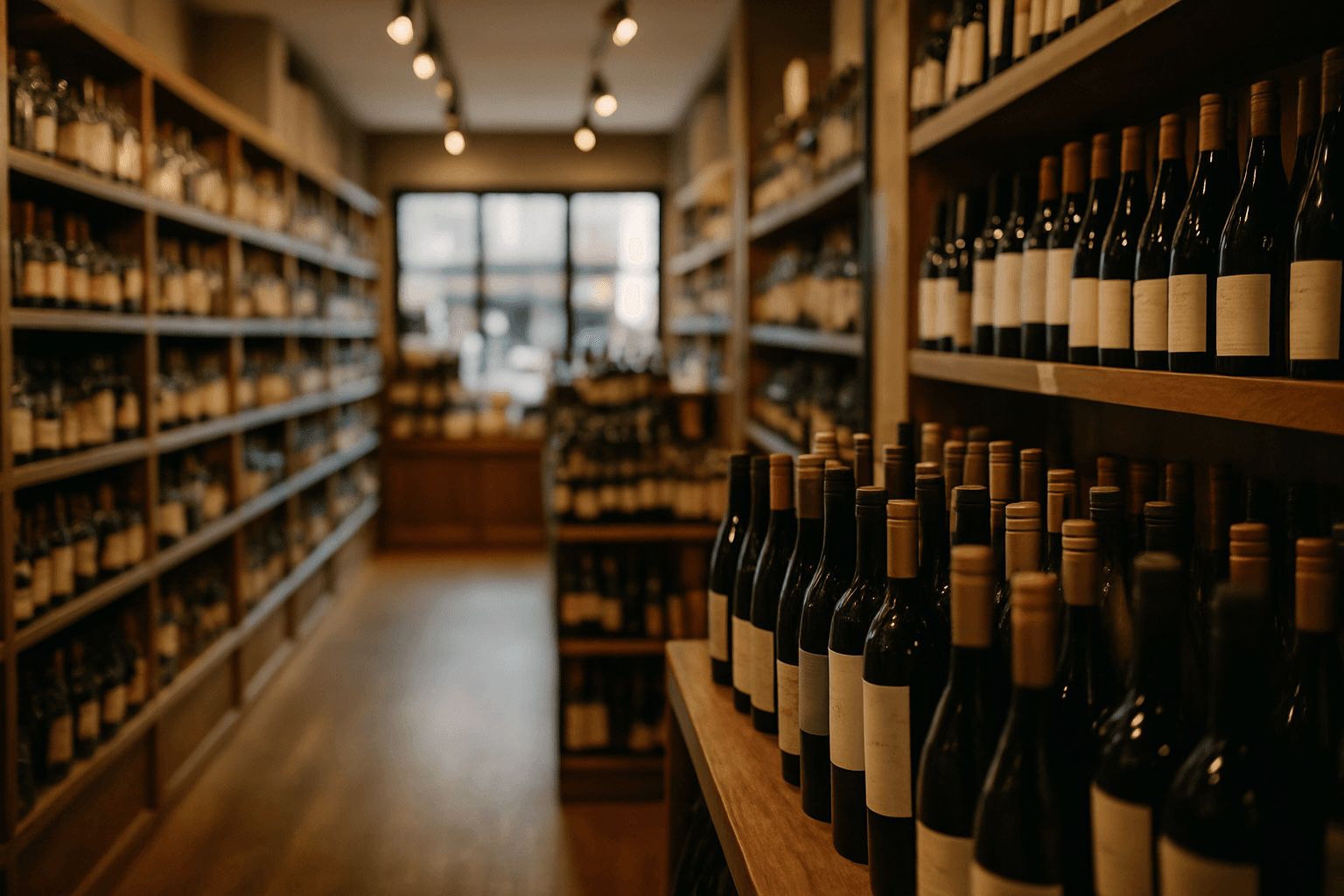
What IWSR's 2035 global drinks forecast means for US liquor retailers, distributors, and brands right now. Key insights on spirits, wine, and market growth.
- TL;DR
- 1. Understand the Six-Year Dip Before the $34 Billion Bounce
- 2. Watch What IWSR Calls 'Vastly Different', 2035 Is Closer Than You Think
- 3. Double Down on Spirits, It's the Decade's Clear Winner
- 4. Treat Wine as a Stable, Not a Growth, Category
TL;DR
- Spirits continue outperforming wine, growing at 3.7% CAGR vs wine's 0.5% over the past decade
- US liquor retail industry has expanded to 44,401 businesses with 1.2% CAGR growth from 2021-2026
- Global consumption will decline for six years before rebounding in 2031, but $34 billion growth is coming by 2034
- IWSR describes 2035 as 'vastly different', the time to adapt your strategy is now
- Short-term tactical adjustments and long-term planning must work together for success
1. Understand the Six-Year Dip Before the $34 Billion Bounce
The next six years are your tactical planning window. Global alcoholic drinks consumption volumes are set to decline for six years before resuming growth in 2031, but IWSR forecasts $34 billion beverage alcohol growth in key markets by 2034. This dip isn't permanent, it's a temporary shift in broader beverage industry trends. For liquor retailers, distributors, and brand managers, the strategy is straightforward: survive the contraction with smart inventory management and lean operations while positioning your shelves and supplier relationships for the recovery. Stores and brands that plan now for the 2031 upswing will capture disproportionate gains when growth returns.
2. Watch What IWSR Calls 'Vastly Different', 2035 Is Closer Than You Think
IWSR describes 2035 as "vastly different" for the global drinks sector, and that future is closer than it appears. Global alcoholic drinks consumption volumes are set to decline for six years before resuming growth in 2031 (The Drinks Business). The decisions you make today about your category mix will compound over the next several years, directly shaping where your business stands in 2030. Use IWSR's Global Forecast Suite to stress-test your current inventory against these shifting beverage industry trends. The 44,401 liquor retail businesses in the US are all facing the same horizon, those who start adjusting their strategies now will have the advantage when growth returns.
3. Double Down on Spirits, It's the Decade's Clear Winner
Shift your shelf space, marketing budget, and staff training toward spirits. According to Park Street, US spirits volumes have grown at a 3.7% compound annual growth rate over the past decade, dwarfing wine's sluggish 0.5% growth in the same period. This gap shows no signs of closing as younger consumers gravitate toward premium cocktails and ready-to-drink options. While overall beverage alcohol consumption faces near-term headwinds before recovering in 2031, spirits remain the clear outperformer in beverage industry trends. Prioritize your highest-margin spirits SKUs and build your team's expertise in this category.
Let our team show you what's possible.
our team specializes in branding strategies that drive real results. Let us show you what's possible.
Schedule a Call4. Treat Wine as a Stable, Not a Growth, Category
Stop chasing wine growth that isn't there. While overall beverage industry trends show expansion, the wine segment has seen slower volume growth at just 0.5% in the US market. Rather than expanding your wine footprint, focus on premium positioning and curate your selection for quality over quantity. This approach protects margins when volume growth is limited. A leaner, higher-quality wine program appeals to engaged buyers willing to pay for provenance and taste, making wine a reliable profit center without requiring inventory expansion.
5. Acknowledge You're Part of a 44,401-Business Industry
Your store operates within an industry of 44,401 businesses. According to IBISWorld, the US Beer, Wine & Liquor Retailing industry has grown at a CAGR of 1.2% between 2021 and 2026. As beverage industry trends continue evolving, consolidation pressure will intensify, meaning the market won't support every player equally. The IWSR's 2035 forecast confirms this shift, projecting a vastly different landscape ahead. Differentiation isn't optional anymore; it's survival.
6. Build Inventory and Staffing Plans Around Volume Volatility
Plan for six years of demand uncertainty before consumption resumes growth in 2031. Adopt leaner inventory practices that react to real-time sales data rather than seasonal forecasts, reduce overstock on underperforming SKUs and replenish based on actual velocity. Cross-train your staff so labor hours flex with category performance; when spirits sales shift, your team should shift too. This operational agility protects margins during beverage industry trends volatility and positions your business to pivot quickly when the market stabilizes.
7. Align With Distributors Who Are Paying Attention to IWSR Data
Distributors leveraging IWSR's Global Forecast Suite are ahead of the curve on shifting beverage industry trends. Before your next planning meeting, ask your distributor partners how they're using IWSR forecasts to shape inventory and promotional strategies. With global alcoholic drinks consumption volumes set to decline before resuming growth in 2031, early alignment prevents costly SKU misalignments down the road. Distributors informed by this forecasting can help you stock what sells, not what's sitting on shelves. Ask specifically what their IWSR-informed strategy looks like and build your plan around shared data.
8. Plan for 2031's Recovery Starting in 2024
Start positioning your store for the 2031 recovery now, because early movers capture the biggest gains. According to The Drinks Business, global alcoholic drinks consumption volumes are set to decline for six years before resuming growth in 2031. The IWSR forecasts $34bn beverage alcohol growth in key markets by 2034, and the US spirits segment has already demonstrated sustained strength with volumes growing at a 3.7% CAGR over the last 10 years. That continued growth trajectory means the recovery will favor retailers already aligned with high-performing spirits. Use the 2024-2030 window to build relationships and capture customer purchase data, personalization infrastructure you build today lets you respond faster when demand rebounds. Your moves in the next few years determine whether you lead or follow the next beverage industry trends wave.
The Bottom Line
IWSR's forecast isn't just data for data's sake, it's your strategic roadmap for navigating the next decade of beverage industry trends. The path forward requires balancing immediate tactical moves, leaner inventory, category prioritization, operational agility, with longer-term positioning for the recovery that arrives in 2031. The retailers, distributors, and brands that start adapting now will be the ones capturing the $34 billion growth wave when it arrives. The question isn't whether to act, it's whether you're building toward that future or waiting until it arrives.
Frequently Asked Questions
What does IWSR's 2035 forecast predict for global alcohol consumption?
IWSR projects global alcoholic drinks consumption volumes will decline for six years before resuming growth in 2031. Despite this near-term dip, the organization forecasts $34 billion beverage alcohol growth in key markets by 2034. IWSR describes 2035 as 'vastly different' for the global drinks sector compared to today.
How is the US liquor retail industry performing right now?
The US Beer, Wine & Liquor Retailing industry comprises 44,401 businesses and has grown at a CAGR of 1.2% between 2021 and 2026. While steady, this growth rate signals a maturing market where differentiation and category strategy will drive success more than overall expansion.
Which alcoholic beverage segment is growing fastest in the US?
Spirits segment volumes have grown at a 3.7% CAGR over the last 10 years in the US, making it the clear outperformer. Wine has experienced slower volume growth at just 0.5% in the same period. For retailers and brands, spirits represent the highest-growth opportunity.
Should liquor retailers change their strategy during the projected consumption decline?
Yes, but strategically. While preparing for six years of softer volume growth, retailers should also position for the 2031 rebound. This means optimizing category mix toward spirits, protecting margins through premium positioning, building customer data infrastructure, and aligning with forward-looking distributor partners.
How can liquor retailers access IWSR forecast data?
IWSR's Global Forecast Suite provides forecasting and market insights for the beverage alcohol industry. Retailers, distributors, and brands can access this data through IWSR subscriptions. Many industry partners also share IWSR-informed insights, ask your distributor what their strategic planning based on IWSR data looks like.
What should brand managers focus on given these alcohol market trends?
Brand managers should prioritize spirits portfolio development, as this category leads growth. Consider premium and super-premium positioning to protect margins amid volume pressure. Build brand stories around quality and craft to differentiate in an increasingly crowded market. Use IWSR data to identify which sub-segments (whiskey, tequila, ready-to-drink) offer the strongest growth trajectories.