8 Canned Spirits Launches Every US Liquor Retailer, Distributor, and Brand Manager Should Track This Summer 2026
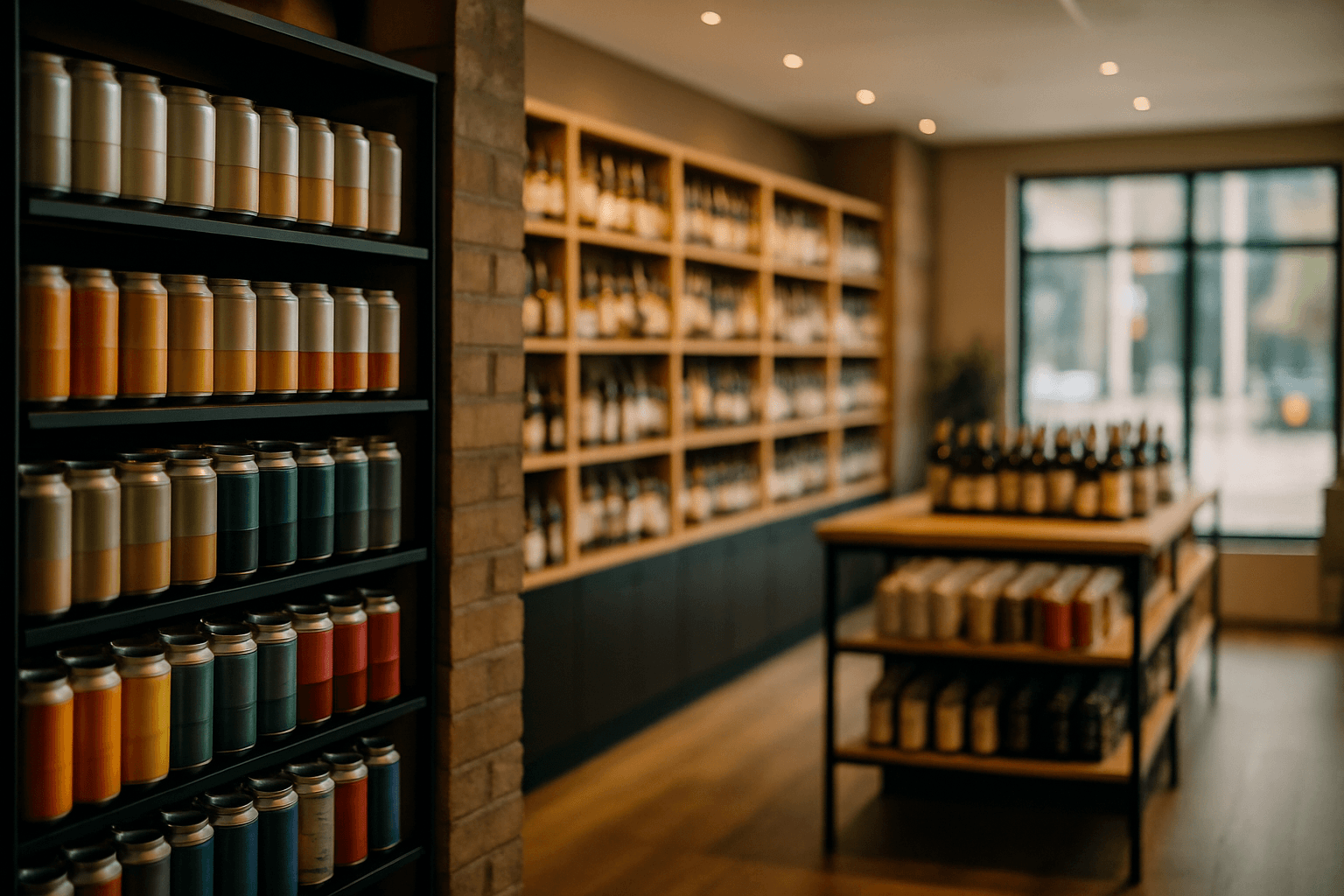
Discover 8 canned spirits launches reshaping the US alcohol market this summer. Key beverage industry trends, opportunities, and insights for liquor retailers, distributors, and brand managers.
- TL;DR
- 1. Elevate Your Espresso Martini Shelf with Premium Canned Versions
- 2. Stock the Ranch Water Wave Before It Crests
- 3. Ride the Whiskey Lemonade Surge with Familiar Flavors
- 4. Don't Sleep on Hard Seltzer's Premium Evolution
TL;DR
- Ready-to-drink cocktails remain alcohol's strongest growth category in 2026, with convenience driving consumer demand
- Espresso martini canned versions have finally matched soaring consumer interest, making them a must-stock item
- Premiumization in canned spirits is elevating margins for retailers stocking quality over budget options
- Health-conscious, functional, and sustainability-focused canned launches are capturing new consumer segments
1. Elevate Your Espresso Martini Shelf with Premium Canned Versions
Espresso martini remains a consumer favorite, and canned versions are finally meeting that demand. The U.S. Alcohol Market is projected to grow substantially through 2030, and retailers stocking premium canned espresso martinis will capture customers seeking bar-quality convenience at home. Many brands delivering authentic coffee-forward flavor without artificial aftertaste are seeing strong market traction. Position these products near checkout or in the cocktail aisle to capture impulse buyers and late-night shoppers. This is one of the beverage industry trends worth acting on now.
2. Stock the Ranch Water Wave Before It Crests
Ranch water canned cocktails are building serious regional momentum, and distributors who act now will lock in shelf space before the trend crests nationally. This lower-ABV option fits squarely within broader beverage industry trends toward moderation, appealing to health-conscious consumers who want refreshment without heavy calorie loads or next-day regret. The style originated in Texas sunbelt culture, so many distributors find success prioritizing allocation to those markets first where demand runs hot, then expanding northward as awareness spreads. The overall U.S. alcohol market shows strong growth projections through the decade, and canned ranch water represents a low-risk entry point into functional, sessionable canned cocktails that today's health-forward consumers are actively seeking.
3. Ride the Whiskey Lemonade Surge with Familiar Flavors
Whiskey lemonade canned cocktails are winning over two crowds at once, traditional whiskey drinkers curious about convenience and RTD fans seeking familiar, premium flavors. Classic whiskey lemonade in a grab-and-go format makes a natural fit for your current bourbon and rye shelves. Position these cans next to your traditional whiskey bottles to encourage cross-category shopping; a customer who buys both becomes a higher-value transaction. The beer, wine, and liquor retailing industry shows modest steady growth, and staying ahead of shifting beverage industry trends like this crossover category keeps your store competitive.
Let our team show you what's possible.
our team specializes in branding strategies that drive real results. Let us show you what's possible.
Schedule a Call4. Don't Sleep on Hard Seltzer's Premium Evolution
Premium vodka seltzers with cleaner ingredient profiles are outperforming value tiers as consumer palates evolve. Beverage industry trends show shoppers increasingly willing to pay more for recognizable, quality ingredients in ready-to-drink formats. Major beer brands extending into seltzer are bringing brand trust to the canned space. Stock variety packs featuring multiple flavors to capture adventurous shoppers who want to experiment before committing to a single SKU. With thousands of independent and chain operators competing across the US, offering premium options that stand apart from value shelves can drive differentiation and margin. These SKUs often turn faster during summer outdoor events and casual gatherings.
5. Add Some Heat with Spicy Margarita Innovations
Stock spicy margarita canned cocktails now, brands capitalizing on consumers craving bold, authentic flavors that match restaurant-quality drinks. This fits into broader beverage industry trends where shoppers want more excitement in ready-to-drink options. Focus placement at outdoor events, BBQ-centric retailers, and stores serving Hispanic consumer segments, groups drawn to traditional, vibrant flavors. Spicy RTDs excel during summer backyard gatherings where a kick of heat beats another basic margarita. The U.S. alcohol market is expected to show significant growth through the decade, making now the time to diversify your canned cocktail selection with these heat-forward options.
6. Capture the Wellness Consumer with Functional Canned Spirits
Functional canned spirits represent a growing opportunity as health-conscious buyers reshape beverage industry trends. Products featuring adaptogens, lower sugar profiles, and added vitamins are winning shelf space from traditional options. Stocking these wellness-forward choices requires evaluating brands on clean-label transparency and sustainable sourcing practices. Seek suppliers who demonstrate eco-friendly packaging commitments and traceable supply chains, this resonates with 2026's mindful consumer. The beer, wine, and liquor retailing industry shows steady growth, and retailers who cater to the wellness segment position themselves for the functional beverages wave driving new consumer acquisition.
7. Regional Craft Spirits Go Canned for Mass Appeal
Independent distilleries are moving beyond taproom-only sales by launching canned products to reach broader audiences and new retail channels. This shift lets smaller producers compete on shelf space without sacrificing their craft identity. Local storytelling and regional ingredients, think small-batch whiskeys finished in local craft beer barrels or gins featuring hyper-local botanicals, create premium positioning that resonates with curious consumers. For distributors, curating a portfolio of regional craft spirits in accessible canned formats offers a way to differentiate from competitors while meeting growing demand for local flavor stories. As beverage industry trends continue favoring authenticity, regional producers with canned presence can capture market share that was previously out of reach.
8. Watch Big-Brand Expansions as a Market Barometer
Major spirits brands entering the canned space signal category legitimacy and growing consumer acceptance, their moves tell you where the beverage industry trends are heading. Watch launches from large players to gauge mainstream momentum. When these companies spend big on marketing canned spirits, that exposure lifts craft and regional canned options too. Think of it as borrowed credibility: a first-time canned cocktail buyer attracted by a familiar brand name may browse your shelves and discover smaller producers. Track these expansions to position your inventory ahead of the wave. The U.S. Alcohol Market shows strong projected growth, and big-brand canned entries are feeding that momentum.
Conclusion
The canned spirits category is maturing, and the winners this summer will be those who read the signals, between premiumization, wellness, regional craft, and big-brand momentum, and stock accordingly. Convenience isn't killing quality anymore; it's elevating it. Stay curious, stay stocked, and don't let the right launches pass you by.
Frequently Asked Questions
Why are canned spirits gaining momentum in 2026?
Ready-to-drink cocktails remain one of alcohol's strongest growth areas in 2026 as consumers prioritize convenience without sacrificing quality. Canned spirits are capturing a significant share of the evolving alcohol market as brands respond to changing consumer preferences.
Which canned spirit flavors are performing best this summer?
Espresso martini, ranch water, whiskey lemonade, and spicy margarita variants are leading the pack. These flavors balance familiarity with innovation, appealing to both traditional spirits drinkers and newcomers to canned cocktails.
How competitive is the liquor retail landscape for canned spirits?
The liquor retail sector spans thousands of independent and chain operators across the US, creating significant competition for shelf space. Distributors and retailers should focus on differentiation through curated selections and unique positioning to stand out in a crowded market.
What margin opportunities do canned spirits offer retailers?
Premium canned spirits typically carry higher per-unit margins than standard beer or value-tier RTDs. Retailers stocking quality over quantity can capture health-conscious consumers willing to pay a premium for better ingredients and authentic flavor profiles.
How should distributors approach canned spirits allocation?
Prioritize allocation based on regional taste preferences, climate (higher seltzer sales in warm markets), and consumer demographics. Building a diverse portfolio that includes both big-brand leaders and regional craft options positions distributors to capture multiple consumer segments.
What makes 2026 different for canned spirit launches compared to previous years?
The beverage industry in 2026 is shaped by health and wellness priorities, functionality, bold flavor exploration, and sustainability demands. Unlike earlier RTD launches that focused purely on convenience, 2026's canned spirits offer functional benefits, cleaner ingredients, and eco-friendly packaging that meet evolving consumer values.
Should smaller retailers compete with national chains on canned spirit shelf space?
Absolutely. Smaller retailers can differentiate by curating unique regional craft options, offering tastings, and building local brand stories that national chains cannot replicate. Focus on quality over quantity, and leverage community connections to drive canned spirit sales.