India's Can Shortage and the US Supply Chain Ripple Effect: AI Forecasting Strategies for Beer and RTD Retailers
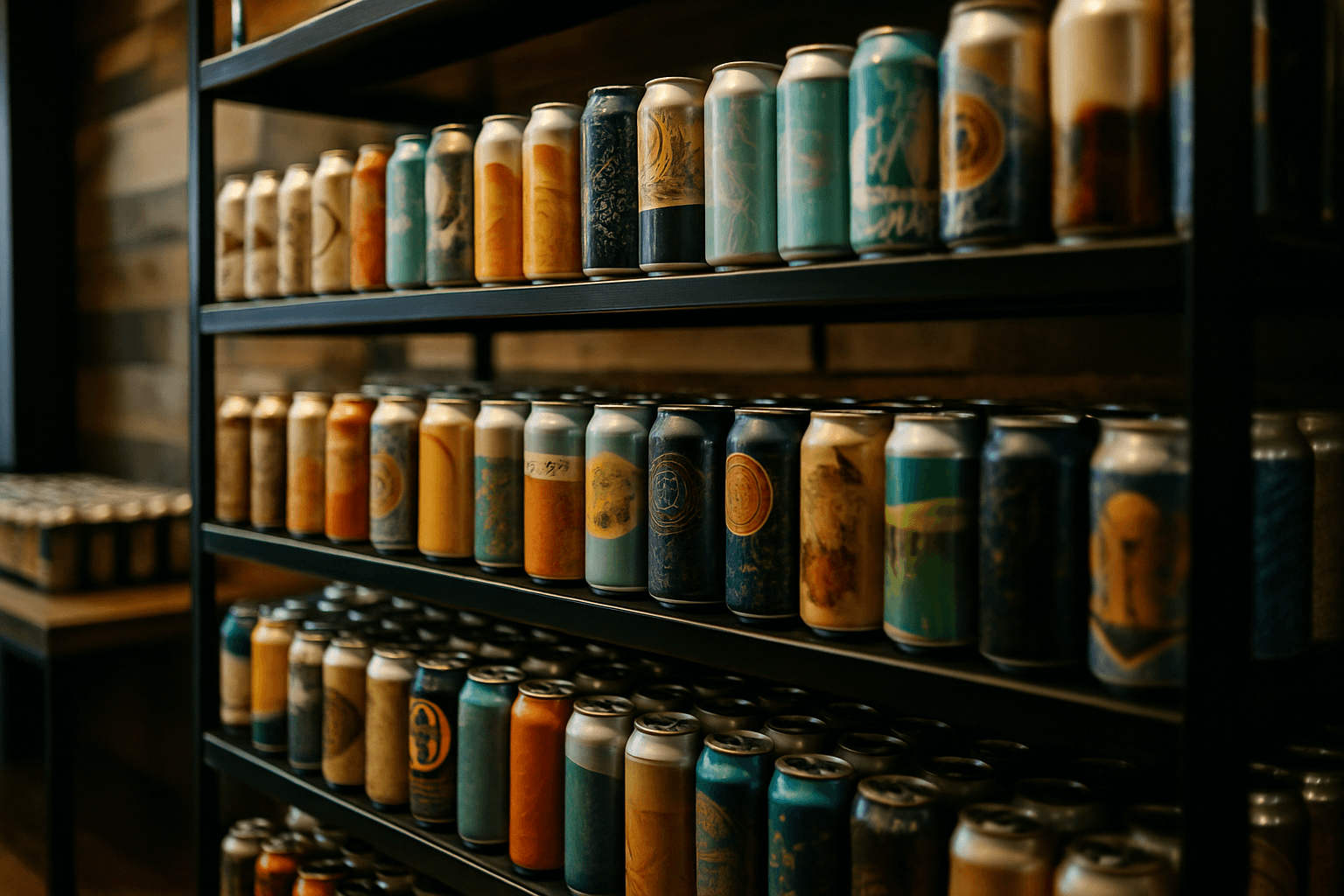
How beer supply chain AI forecasting helps US retailers navigate aluminum can shortages and optimize inventory amid global disruptions.
- Why the Global Can Shortage Should Be on Your Radar
- The Aluminum Can Shortage: What It Means for Your Shelves
- AI Demand Forecasting: Your Supply Chain Crystal Ball
- Real Results: How AI Is Already Transforming Beverage Supply Chains
- Practical AI Strategies for Liquor Retailers and Distributors
You're restocking your shelves on a Tuesday morning when you notice it, a gap where the 12 oz craft six-packs should be. You check your distributor portal: backordered. You call around. Same story. This isn't a one-off headache. It's becoming the new normal, and the root cause is thousands of miles away.
The global aluminum can shortage is reshaping how beer and RTD products move from breweries to your shelves, and if you're not thinking ahead about your supply chain, you're going to feel the pain on your bottom line and your customer relationships. The good news? Beer supply chain AI forecasting is giving smart retailers a real advantage right now, turning uncertainty into something you can actually plan around.
Let's walk through what's happening, why it matters for your store, and how AI-powered tools can help you stay ahead of the shortage instead of scrambling to catch up.
Why the Global Can Shortage Should Be on Your Radar
Understanding the US-India Supply Connection
India's beer industry is navigating mounting pressures from global conflict, rising input costs, and government controls, just as domestic demand is positioned to surge. This combination creates a supply squeeze that doesn't stay contained within India's borders. The interconnected nature of global aluminum markets means that when India's breweries compete more aggressively for can supply, that competition echoes across oceans.
For US liquor retailers and distributors, this isn't a distant problem. It's a supply chain risk that can show up on your shelves as inconsistent availability, longer lead times, or price volatility on canned formats. Understanding these connections helps you see disruptions coming rather than reacting to them after inventory gaps appear.
What's Driving the Surge in Aluminum Demand
Aluminum cans have become the dominant format for US craft beer, now representing a commanding share of the market in 2025. This shift toward aluminum packaging has been significant, meaning American retailers are deeply exposed to aluminum supply chain volatility in ways they weren't a decade ago. Industry analysts forecast that demand for aluminum canned beverages will remain elevated for the next several years, intensifying competition for can supply.
This is where modern technology becomes a competitive advantage. Beer supply chain AI forecasting gives retailers and distributors a clearer picture of upcoming demand patterns, allowing them to plan inventory more strategically before supply constraints tighten. Companies using AI-powered demand forecasting have achieved significant improvements in prediction accuracy, allowing them to order with more confidence and reduce costly surprises.
For RTD beverages and craft beer specifically, implementing beverage inventory optimization powered by AI isn't just about efficiency, it's about resilience. Retailers who invest in smarter forecasting now will be better positioned to maintain availability while competitors scramble to respond to the same global pressures.
The Aluminum Can Shortage: What It Means for Your Shelves
The 12 oz can remains the workhorse of your craft beer and RTD sections, and it's the first casualty when supply tightens. This size dominates consumer preference, and when manufacturers face production constraints, the ubiquitous 12 oz format gets hit hardest.
8 AI demand forecasting moves every liquor store owner should make. Cut waste, prevent stockouts, and stock smarter i...
The shift toward aluminum packaging has been significant, US craft beer aluminum cans now represent a large and growing share of the market, but production capacity hasn't kept pace with existing demand. That means the cans your customers expect to find simply aren't available in the quantities you need.
Demand Projections for the Next Few Years
You won't see relief anytime soon. Industry analysts forecast increasing demand for aluminum canned beverages for the next two to three years, meaning this isn't a temporary blip, it's the new normal for your beer supply chain. AI forecasting offers a way forward. By using smarter demand prediction tools, you can anticipate shortages before they empty your shelves and optimize your purchasing decisions. This is beer supply chain AI forecasting in action: working with supply constraints rather than against them.
AI Demand Forecasting: Your Supply Chain Crystal Ball
Demystifying AI: How It Works for Inventory Planning
Think of AI demand forecasting like a weather app for your inventory, it analyzes patterns you can't see and tells you what's coming before it arrives. Instead of checking tomorrow's temperature, you're seeing next month's beer and RTD demand based on real-time data.
For the beer supply chain, AI forecasting pulls together sales history, seasonal trends, local events, and even supplier lead times to predict what you'll need and when. This matters especially now: with canned formats dominating more of the craft beer market than ever before, managing canned inventory has never been more complex. Many retailers using big data analytics report seeing significantly more accurate demand forecasting, giving you a genuine edge in planning around supply constraints.
How AI Actually Improves Inventory Decisions
AI demand forecasting helps beverage distributors predict orders before they're placed, giving you a head start on procurement decisions. Rather than reacting to shortages or overstocking, you're proactively positioning inventory.
Companies embracing AI in forecasting report improvements across key performance indicators including better forecast accuracy and improved inventory turnover. AI forecasting can reduce overstock and waste while simultaneously ensuring you have enough stock to meet demand. For RTD demand forecasting AI, this means fewer missed sales on your top sellers and less money tied up in slow-moving SKUs.
When analysts forecast continued pressure on aluminum can availability, smart retailers are using beverage inventory optimization to prepare, not just hope for the best.
Real Results: How AI Is Already Transforming Beverage Supply Chains
The beer supply chain AI forecasting revolution isn't coming, it's already here. Major producers are proving it works at scale. Let's look at who's already seeing results.
Discover 7 AI demand forecasting strategies to optimize your liquor store inventory, cut waste, and boost sales this ...
Enterprise-Level Success Stories
Major producers are proving AI forecasting works at scale. Lion, a leading global beverage company, doubled demand forecasting accuracy using OpenAI-powered tools, dramatically improving their production planning capabilities. Beyond that, big data analytics can deliver significantly more accurate demand forecasting, directly reducing overstock and waste throughout the supply chain.
These improvements matter enormously given the current aluminum can shortage beer industry dynamics. With aluminum cans accounting for a dominant share of US craft beer packaging, making can supply reliability critical for competitiveness.
How Major Distributors Are Adapting
Major distributors aren't waiting on the sidelines. Southern Glazer's Wine & Spirits has partnered on AI supply chain transformation to build greater agility and resilience into their operations. With analysts forecasting continued pressure on aluminum can availability for the next two to three years, these investments aren't optional, they're essential for maintaining product availability.
The encouraging news? AI forecasting principles scale down, not just up. Whether you're running a single location or managing national distribution, RTD demand forecasting AI and beverage inventory optimization strategies can help your store anticipate shifts in demand and keep shelves stocked, even when the supply chain gets rocky.
Practical AI Strategies for Liquor Retailers and Distributors
Starting Small: Entry-Level AI Tools
You don't need a tech degree to benefit from beer supply chain AI forecasting. Think of AI like a smart employee who learns from your sales data and gets better over time. Entry-level tools, many available as simple monthly subscriptions, can connect directly to your point-of-sale system and start generating smarter reorder suggestions within weeks. These platforms handle the heavy lifting on calculation while you make the final call. It's automation that works with your judgment, not instead of it.
Building a Data Foundation for Better Predictions
Your existing data is more powerful than you might think. Sales history, seasonal patterns, and local event calendars are the ingredients AI needs to cook up accurate forecasts. Many retailers find that clean, consistent data leads to meaningfully better forecasts. Start by digitizing your sales records if you haven't already, even a simple spreadsheet tracking what sold and when becomes valuable fuel for AI tools. As you feed more data into your system, you'll find the recommendations become sharper over time.
Reducing Overstock and Waste with Smarter Forecasting
The aluminum can shortage affecting the RTD demand forecasting AI space makes inventory precision more critical than ever. With analysts forecasting continued demand pressures on aluminum canned beverages, getting your orders right matters financially. AI forecasting can reduce overstock and waste by aligning purchases with actual demand patterns instead of relying on gut feeling. For beverage inventory optimization, this means fewer dollars sitting on shelves past their peak, more cash flow for trending products, and less headache when popular items finally become available again.
RTD Category: Where AI Forecasting Matters Most
Why Ready-to-Drink Beverages Need Extra Attention
If you thought managing beer inventory was challenging, RTD products add another layer of complexity. Ready-to-drink beverages respond immediately to seasonal shifts, promotional pushes, and social trends, with aluminum cans dominating an increasingly large share of packaged beverages and analysts forecasting continued aluminum demand pressures, competition for cans is intensifying. This means you can't stock everything, AI helps you prioritize the SKUs that will actually move.
Discover 7 AI demand forecasting triggers to optimize inventory, cut waste, and maximize summer sales at your liquor ...
Balancing Can Availability with RTD Growth Opportunities
The same beer supply chain AI forecasting principles apply to RTD, but faster product velocity makes accuracy even more valuable. When a SKU's demand forecast misses, you either face stockouts or get stuck holding inventory you can't sell. AI forecasting can reduce overstock and waste while helping you allocate precious can supply where it counts most. With more accurate demand forecasting possible through RTD demand forecasting AI, beverage inventory optimization becomes your competitive edge during this shortage.
Preparing Your Business for the Long Haul
Building Supplier Relationships That Flex
The aluminum can shortage beer industry is experiencing isn't a short-term blip. Analysts forecast increasing demand for aluminum canned beverages for the next two to three years, making supplier flexibility essential. Build relationships with multiple can suppliers and communicate your forecasted needs early. Share your seasonal demand data with partners so they can prioritize your orders when supplies tighten.
Investing in Technology Without Overwhelm
Start your beer supply chain AI forecasting journey with one focused problem, predicting which can sizes you'll need most. AI forecasting can reduce overstock and waste while providing more accurate demand forecasting. Once you've seen results from that first application, expand your RTD demand forecasting AI use to other areas like ordering timing and promo planning.
Key Takeaways for Your 2025 Strategy
Retailers who invest in beverage inventory optimization now will navigate the next few years of aluminum pressure far more smoothly than those waiting. Technology doesn't have to be overwhelming, start small, measure results, and grow from there.
Your Next Move
The aluminum can shortage isn't going away tomorrow. With demand for canned beverages expected to remain elevated for the next several years, reactive inventory management will keep leaving you one step behind, watching empty shelf space and losing sales to competitors who planned ahead.
But it doesn't have to be that way. Beer supply chain AI forecasting turns the uncertainty into something you can manage. Whether you're optimizing your craft beer selection, planning your RTD orders around seasonal spikes, or simply trying to keep the 12 oz six-packs your customers want on the shelf, AI-powered tools give you the visibility you need to make smarter decisions.
The retailers who thrive through this shortage won't be the ones with the deepest pockets or the best luck, they'll be the ones who embraced forecasting technology early and built the habits of data-driven ordering. Start small. Connect your sales data. Test one AI tool. The gap on your shelves isn't going to fill itself, but with the right approach, you can make sure it's someone else's problem, not yours.